News
The Pritzker Architecture Prize presents Architecture: Distraction and Knowledge, the 2026 Laureate Lecture and Panel Discussion
May 5, 2026
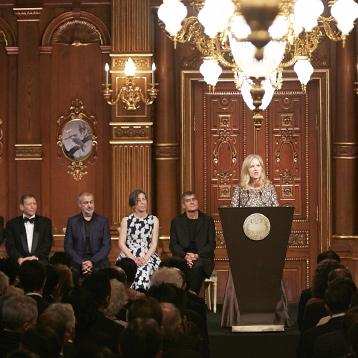
The Pritzker Architecture Prize, in partnership with the Universidad Nacional Autónoma de México (UNAM), presents Architecture: Distraction and Knowledge, the annual Pritzker Architecture Prize Laureate Lecture and Panel Discussion, taking place at the Faculty of Architecture’s Teatro Estefanía Chávez, UNAM, Mexico City, on Tuesday, May 12th at 10:00am CST.
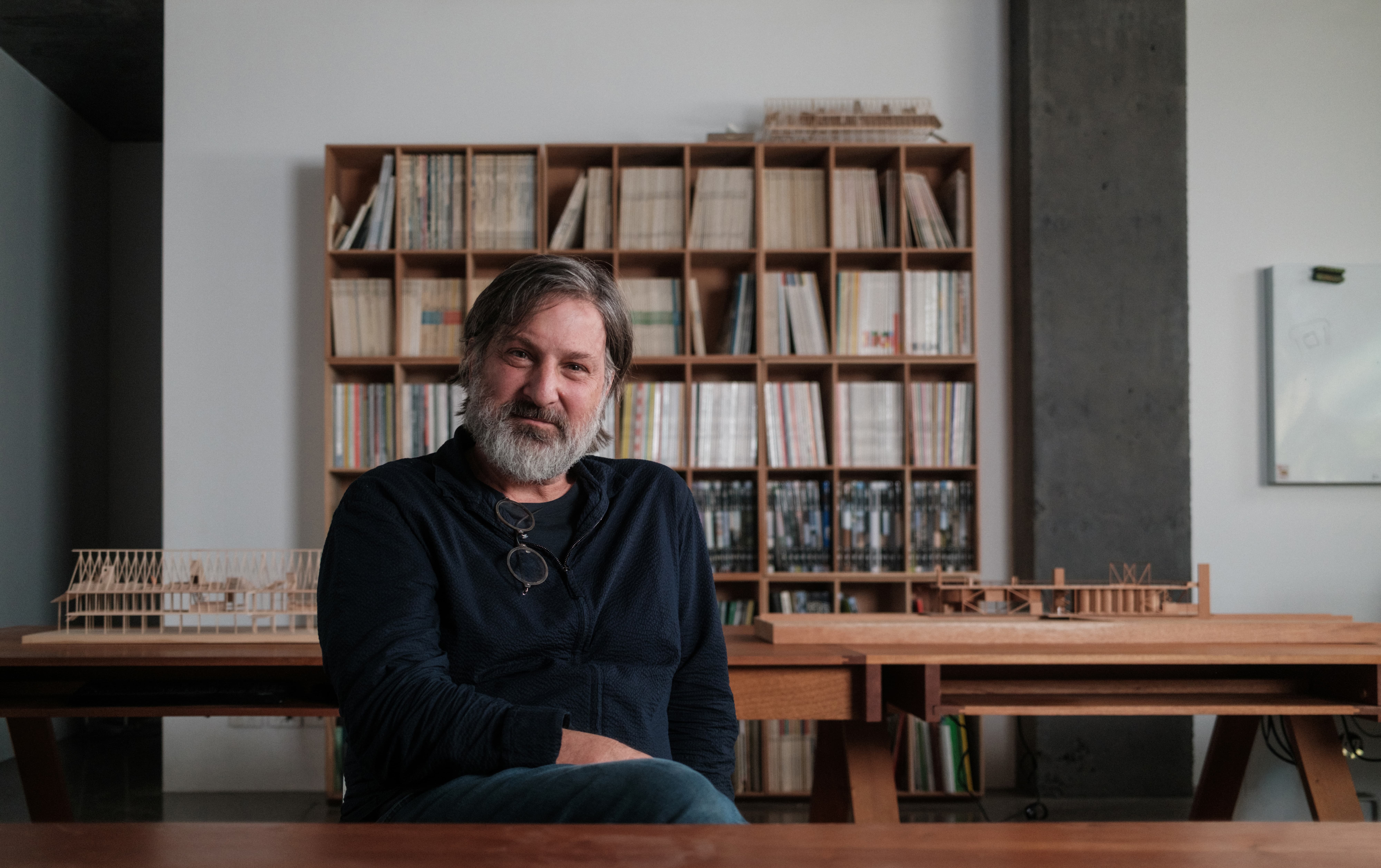
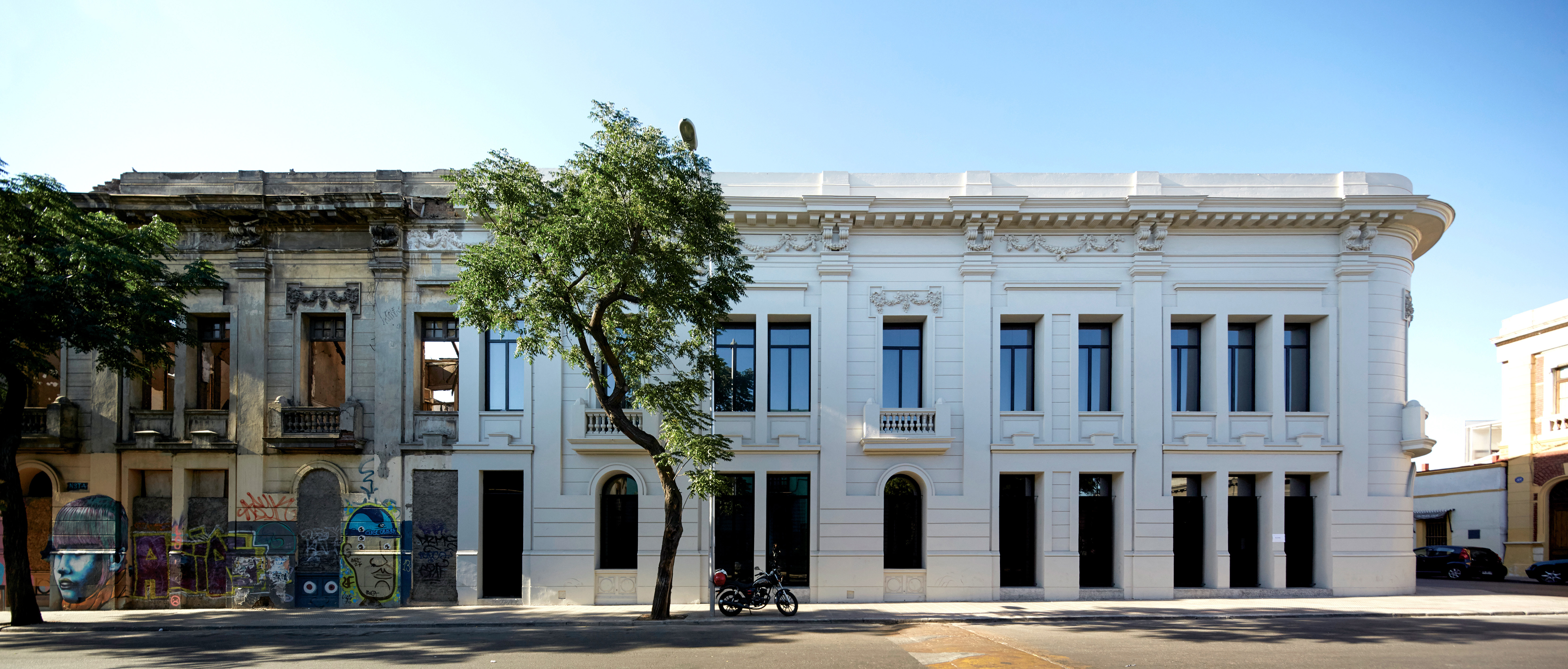
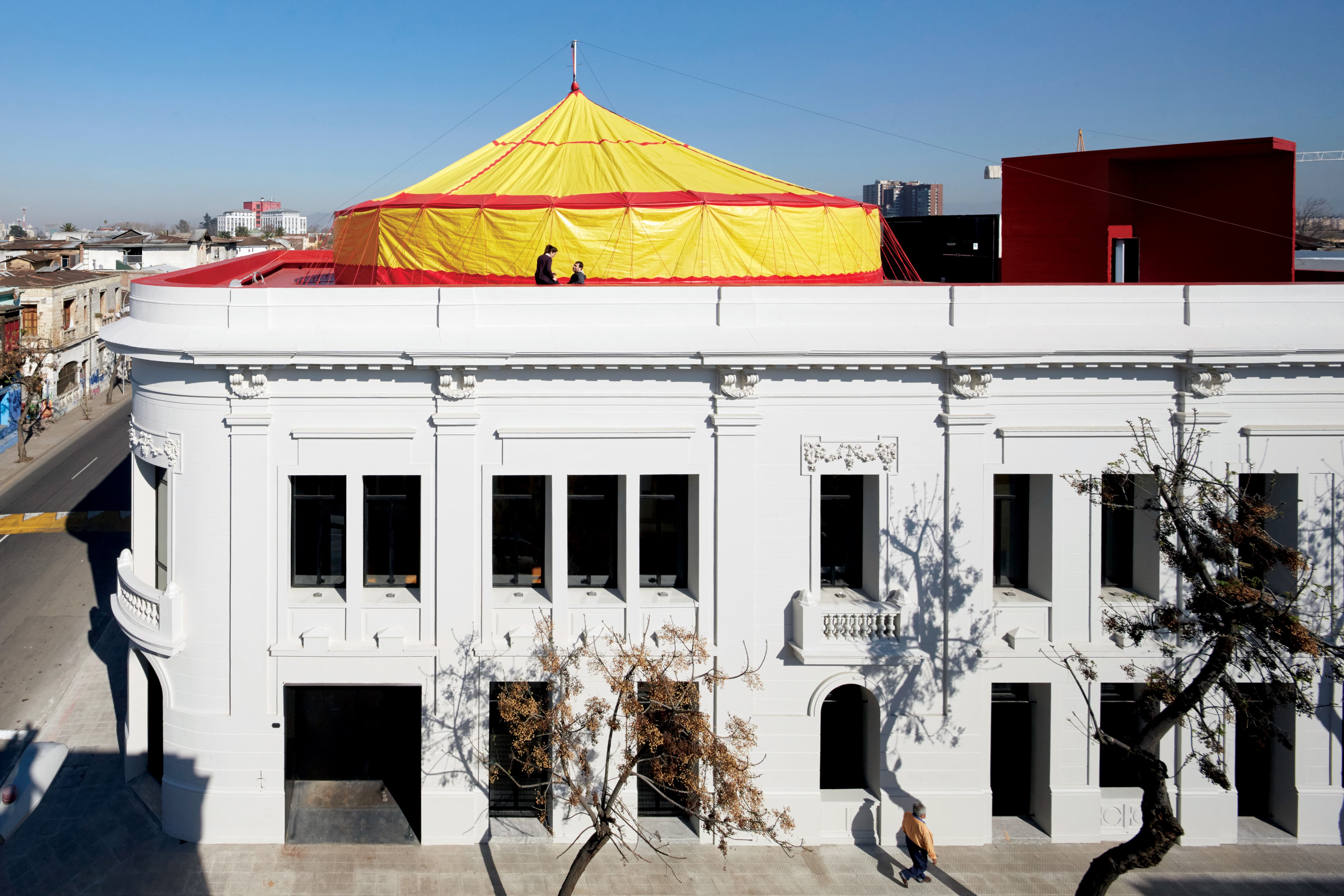
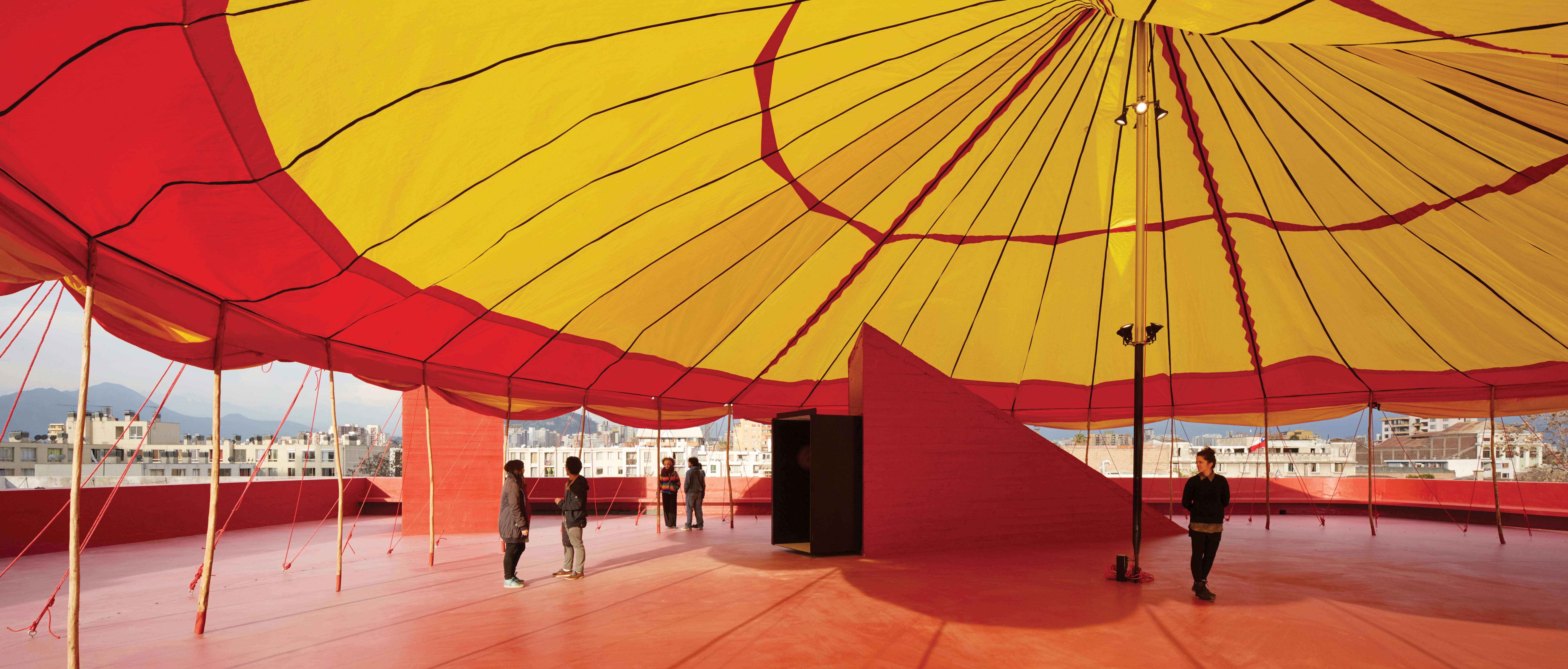
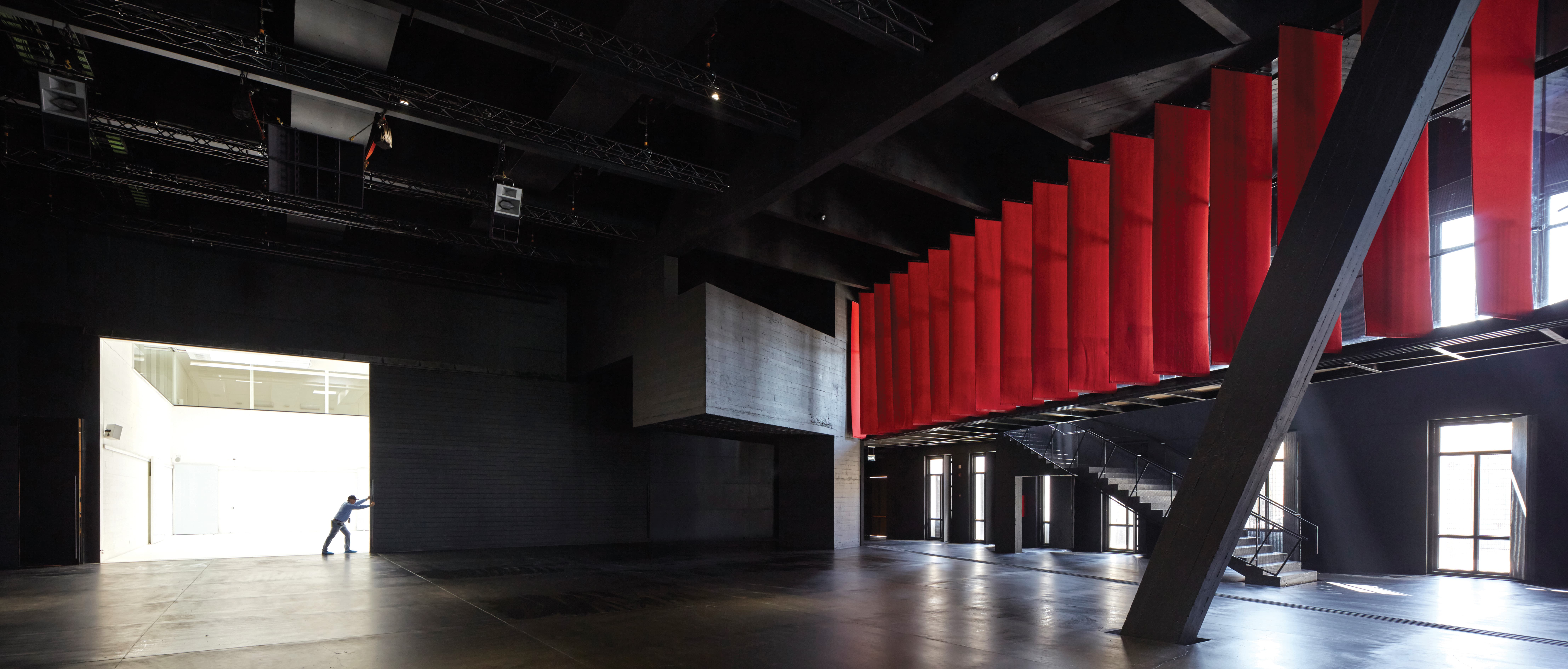
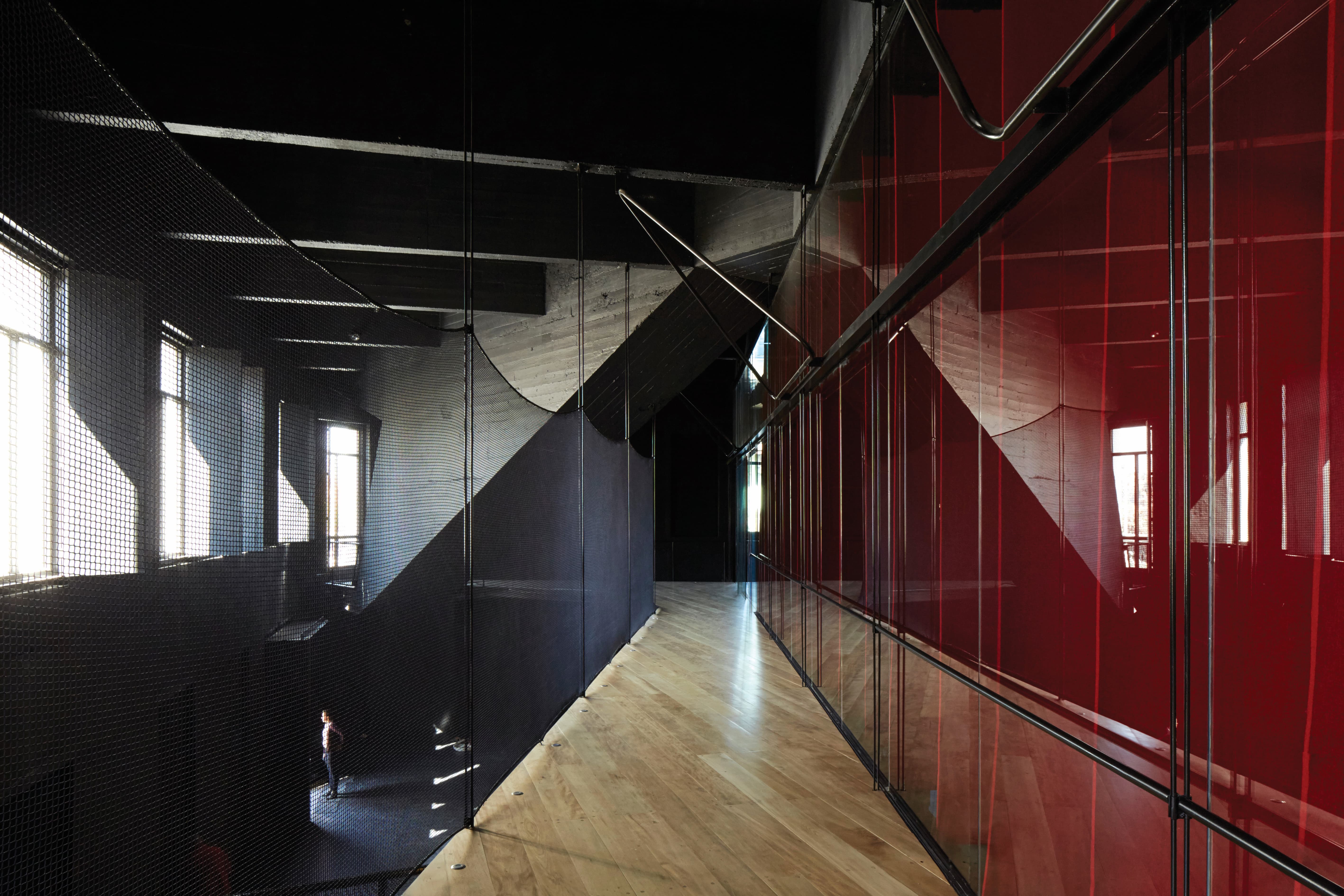
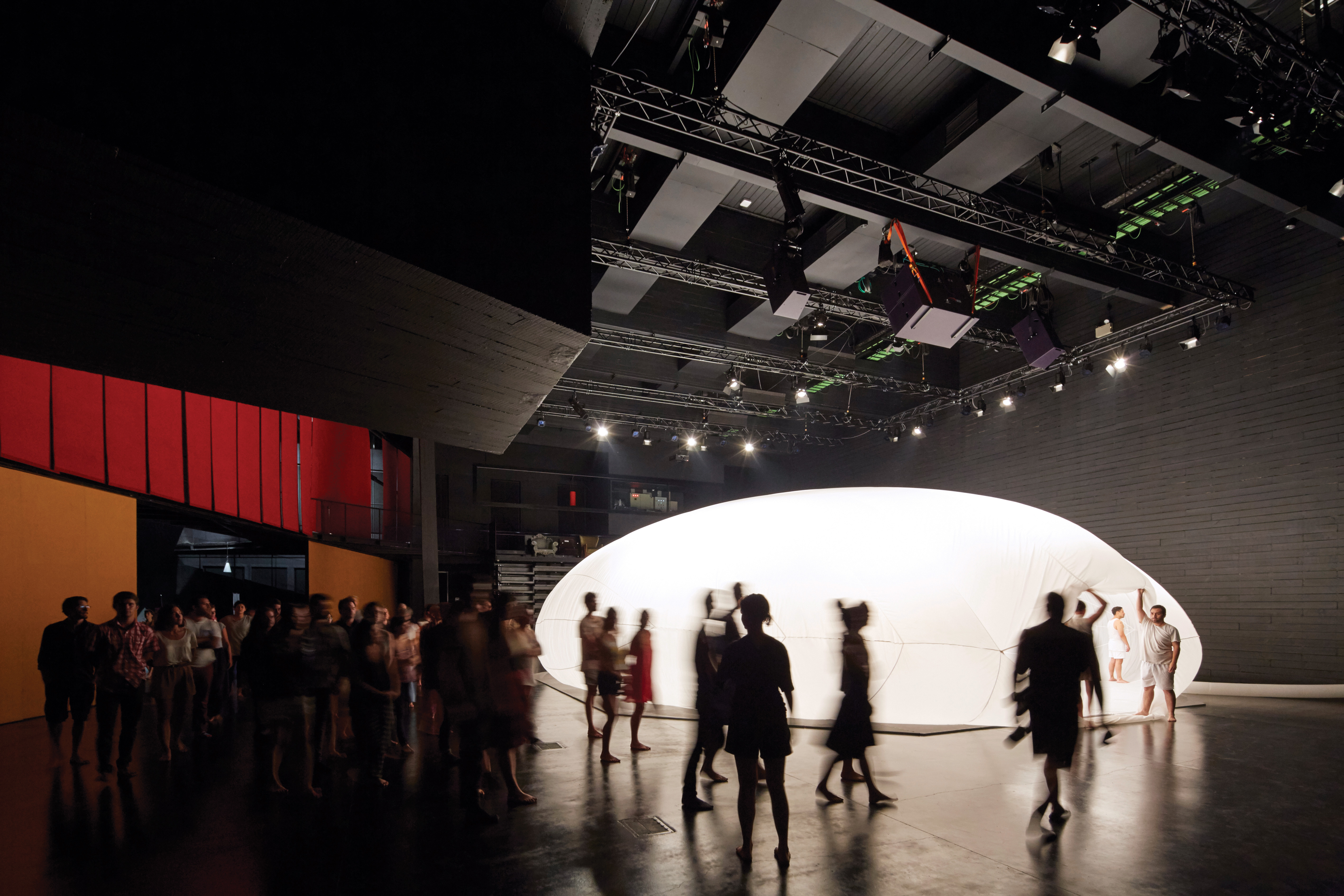
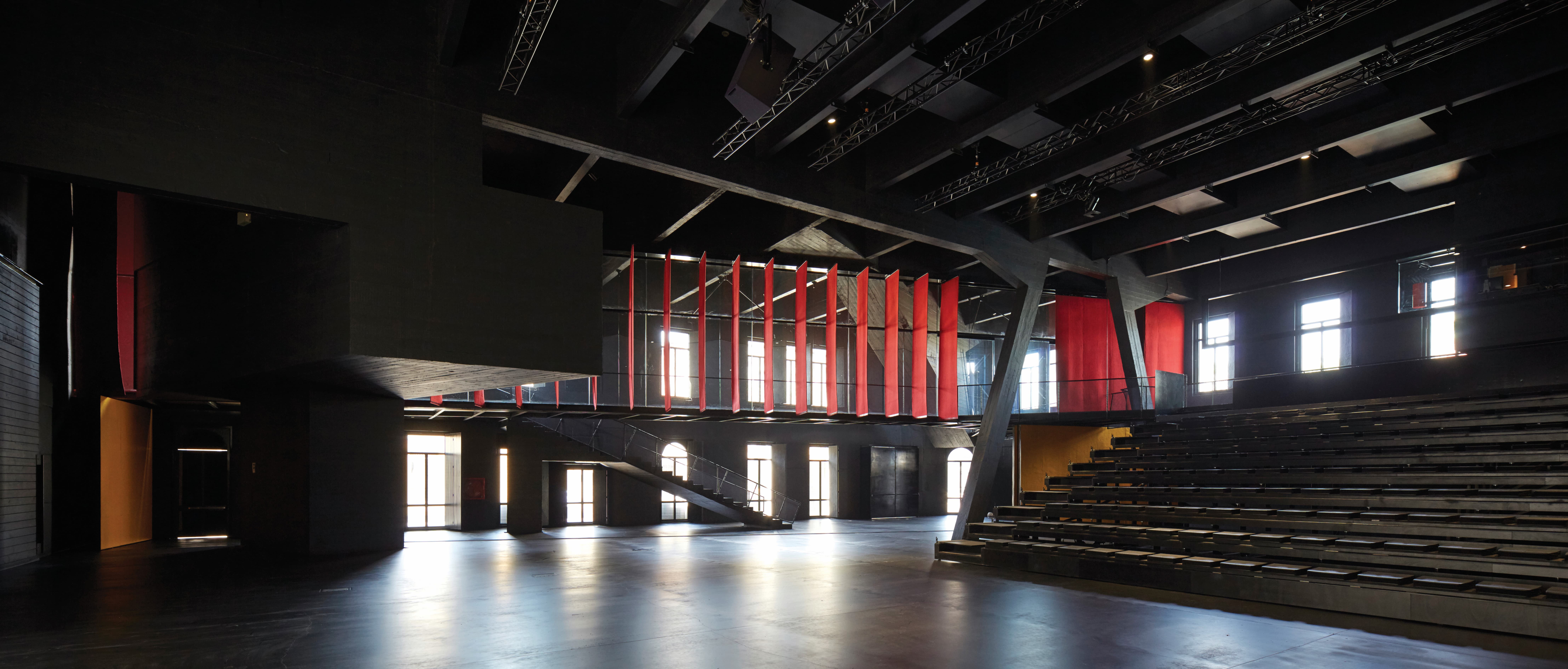
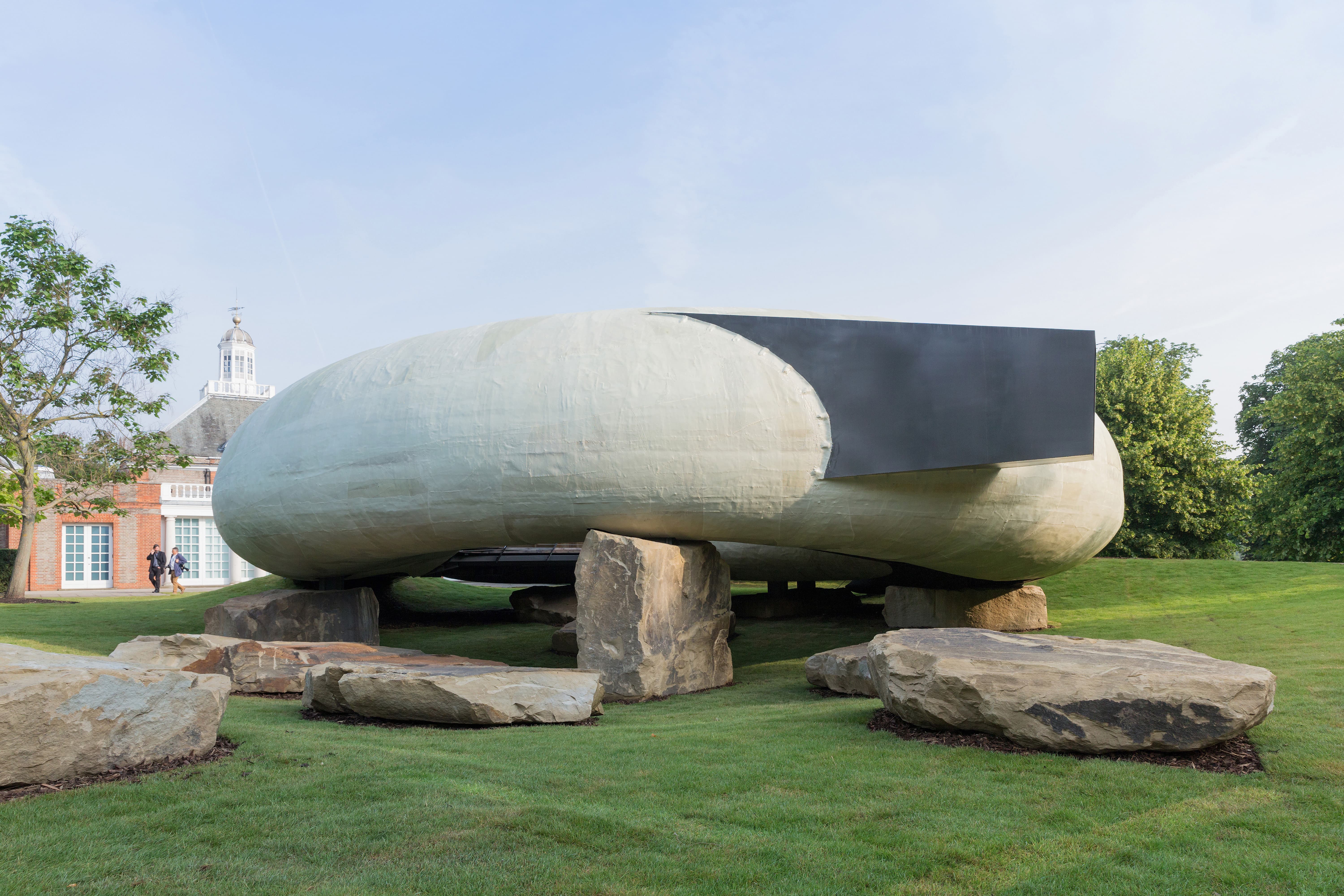
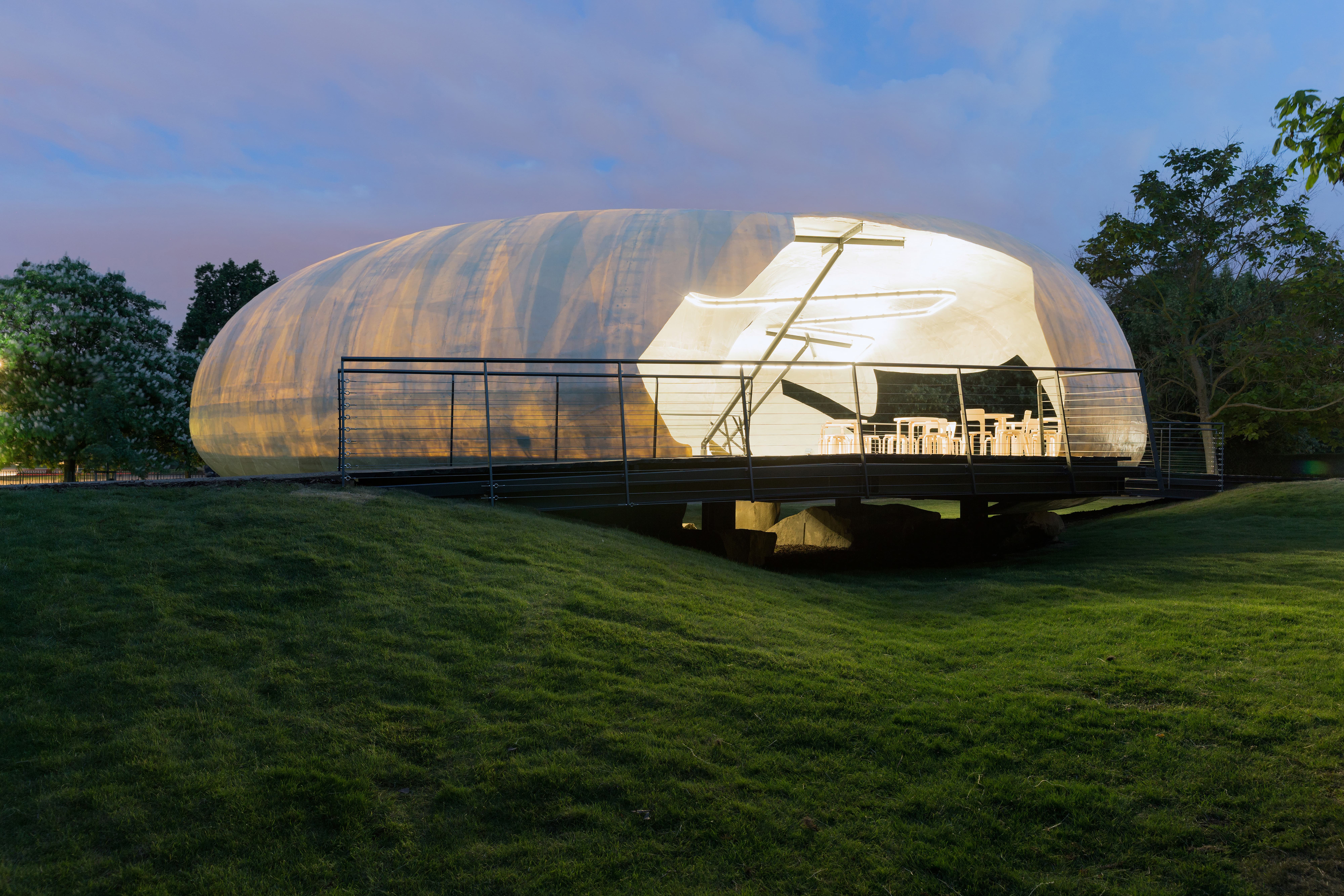

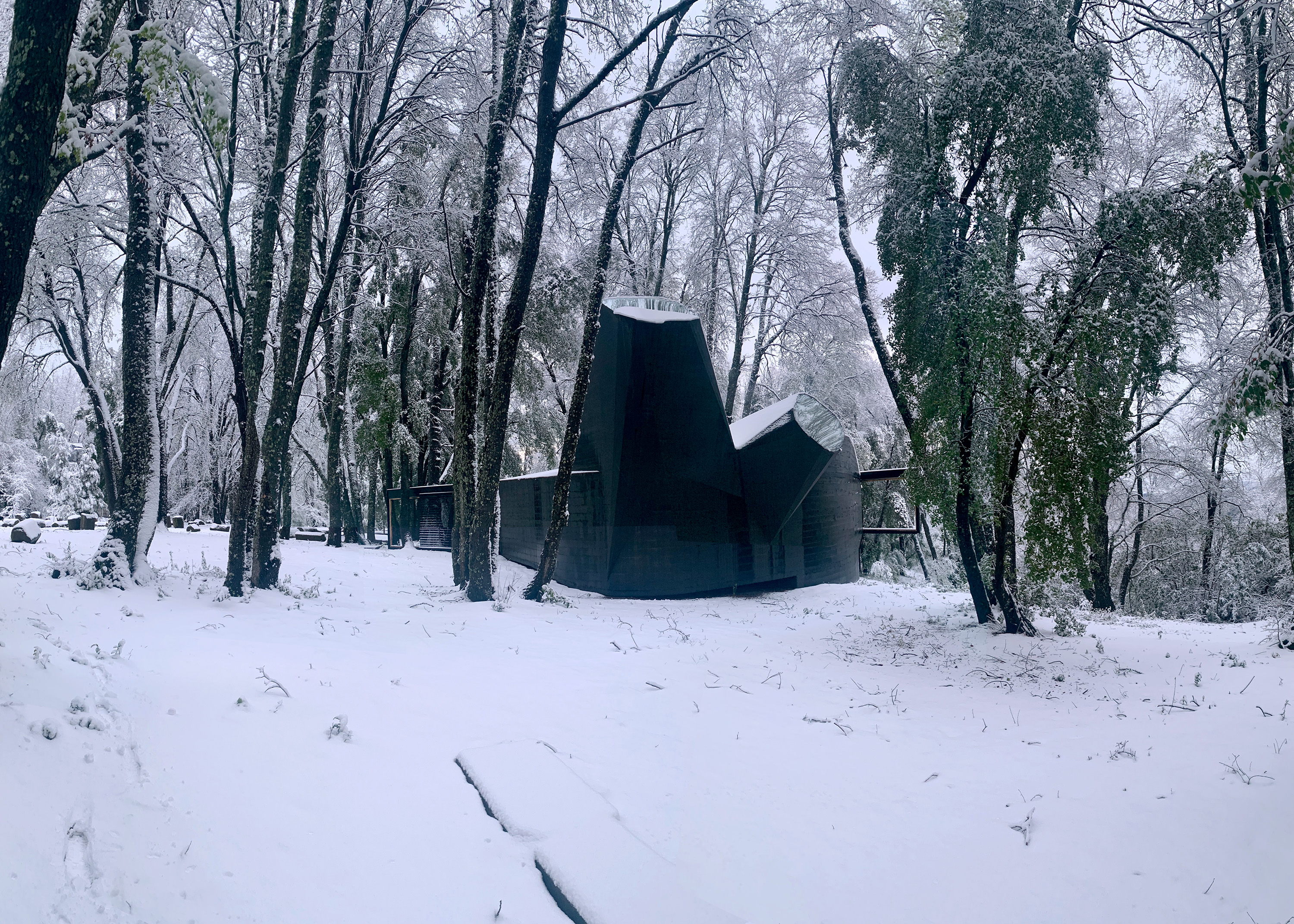
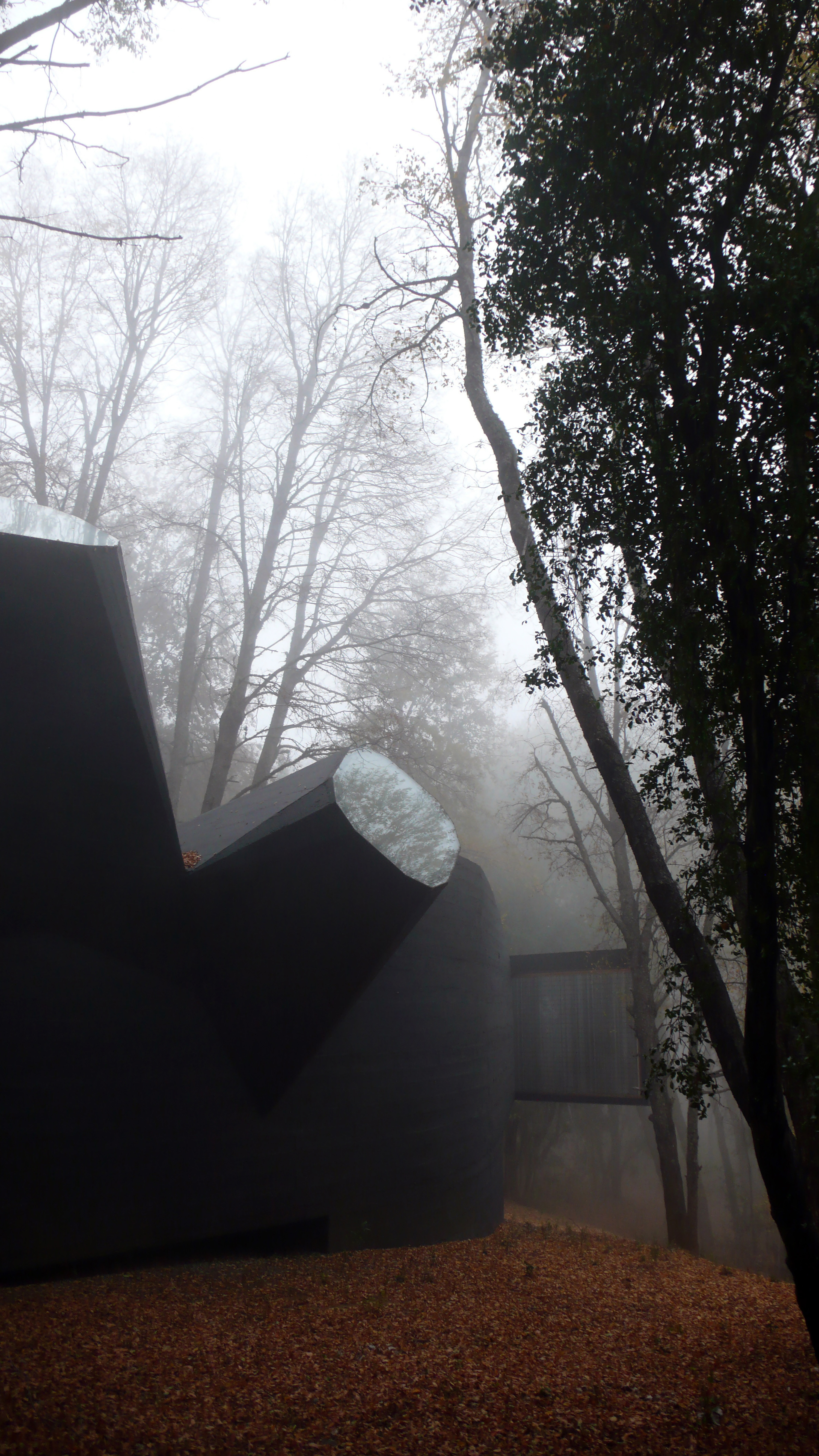
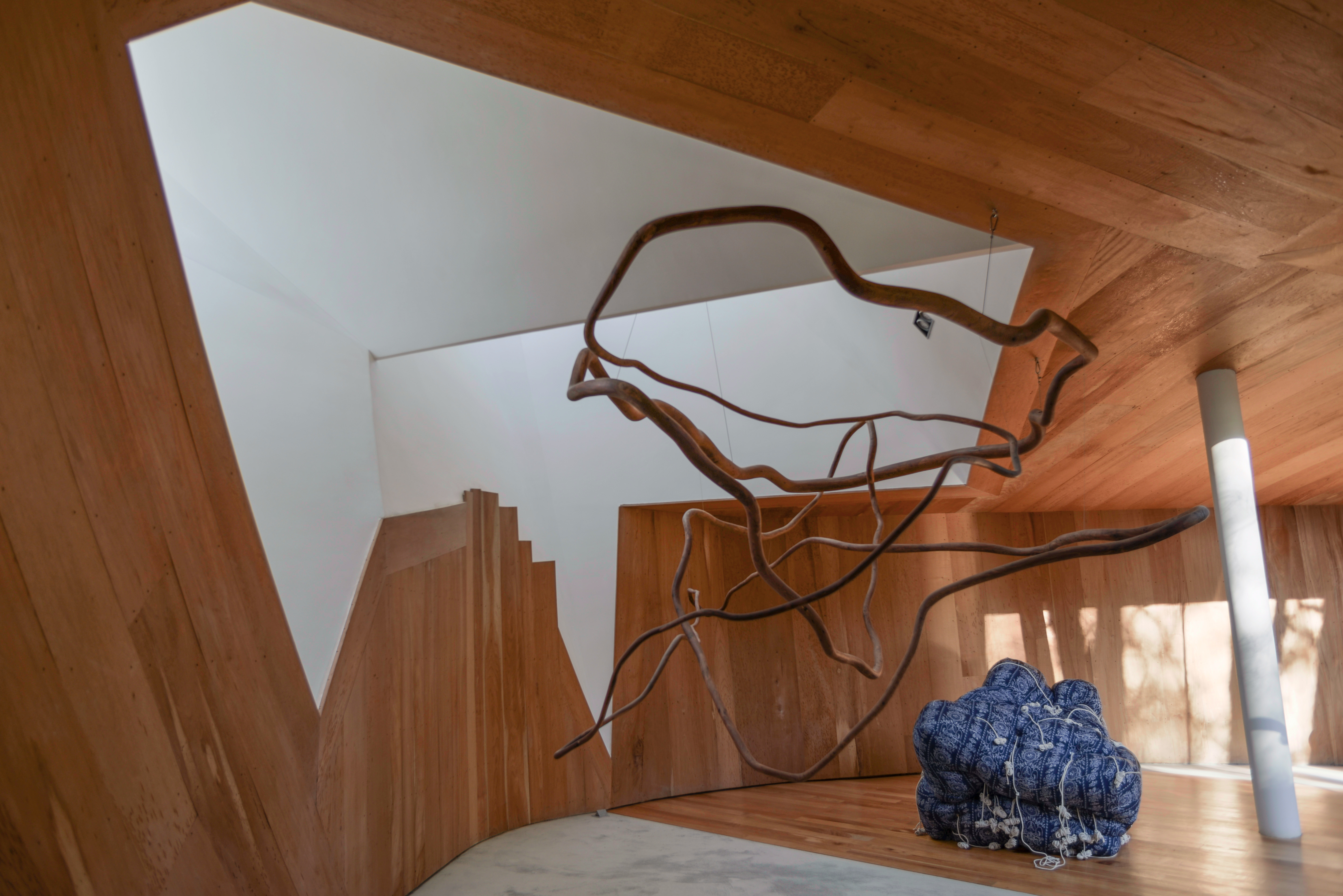
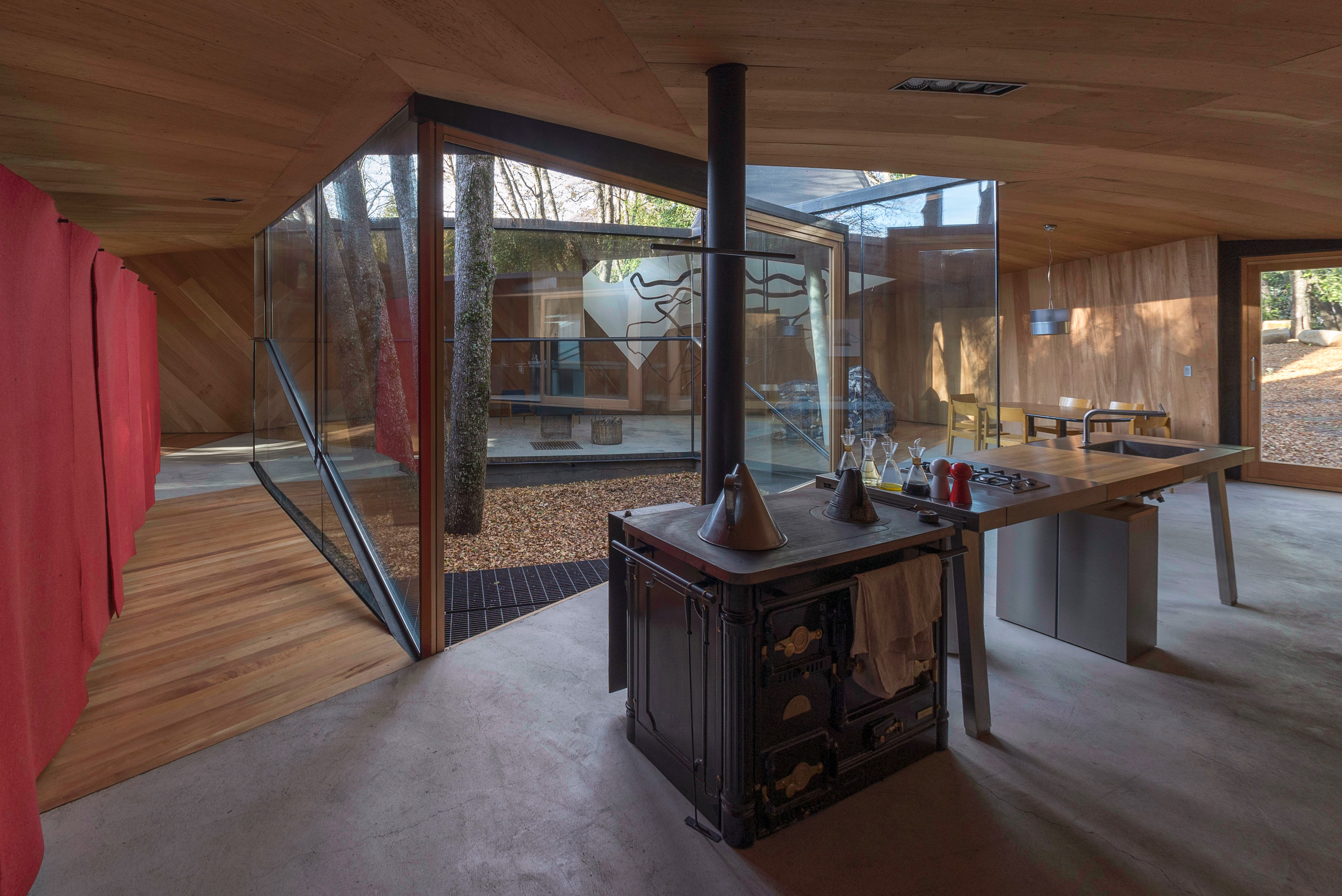
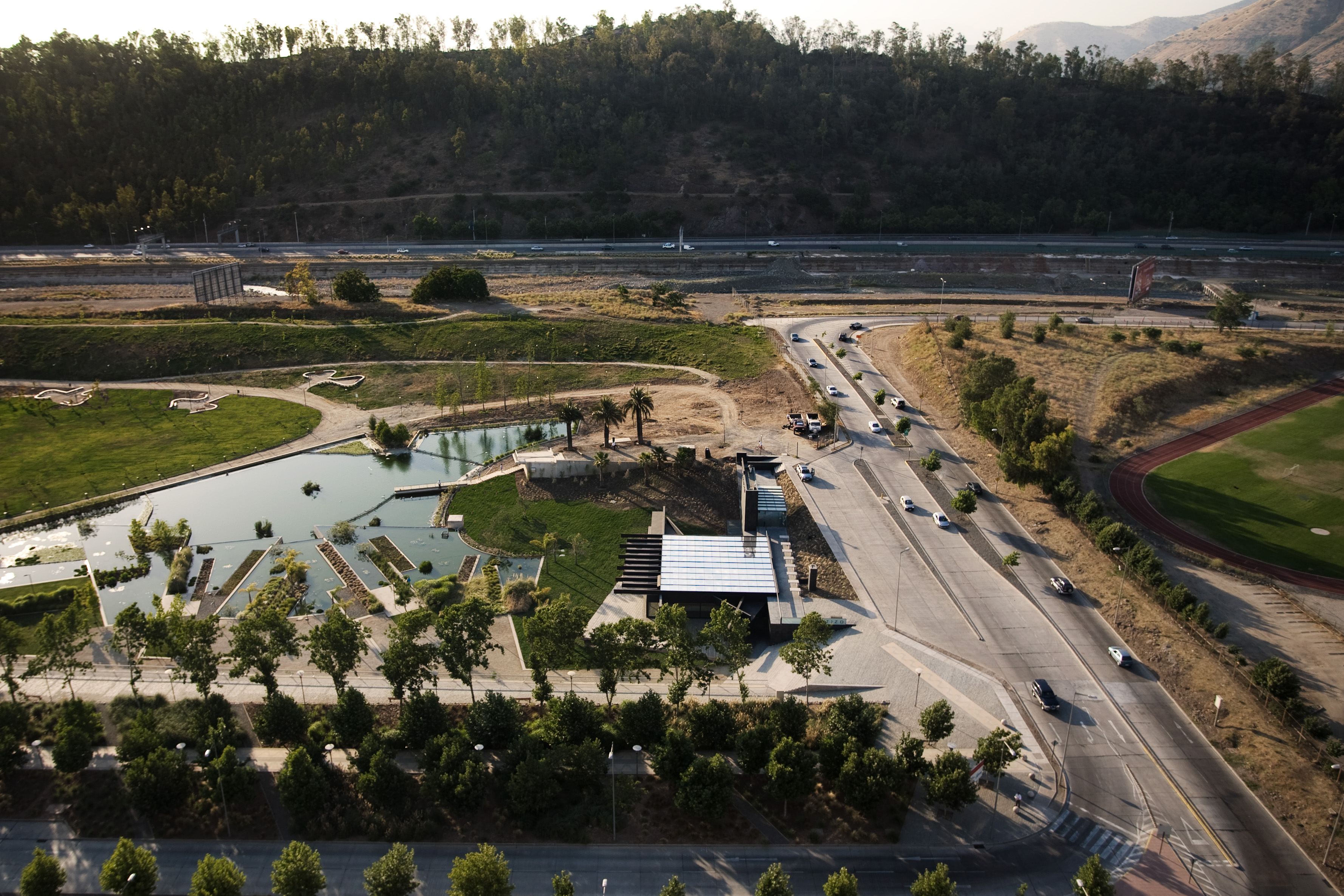
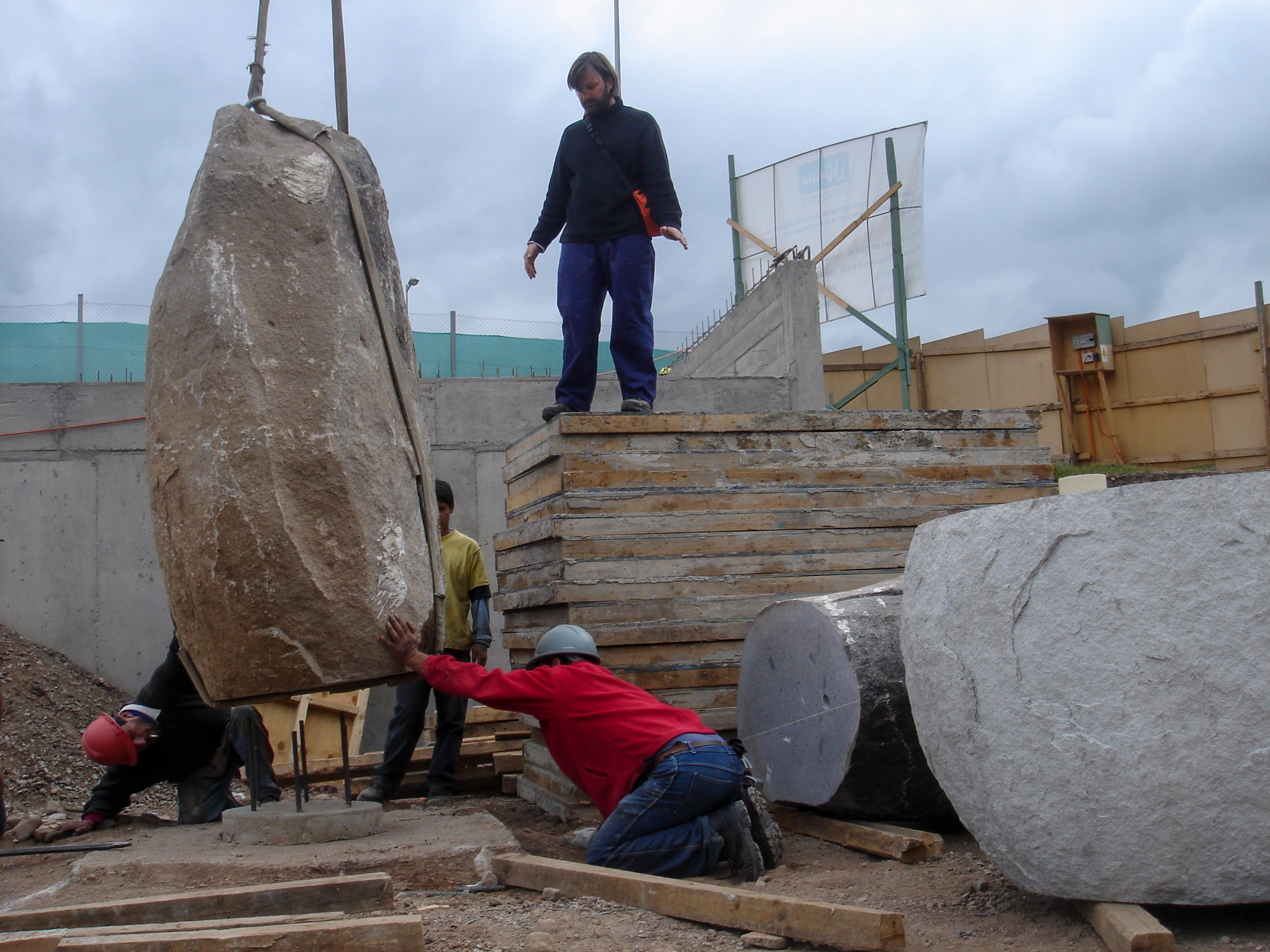
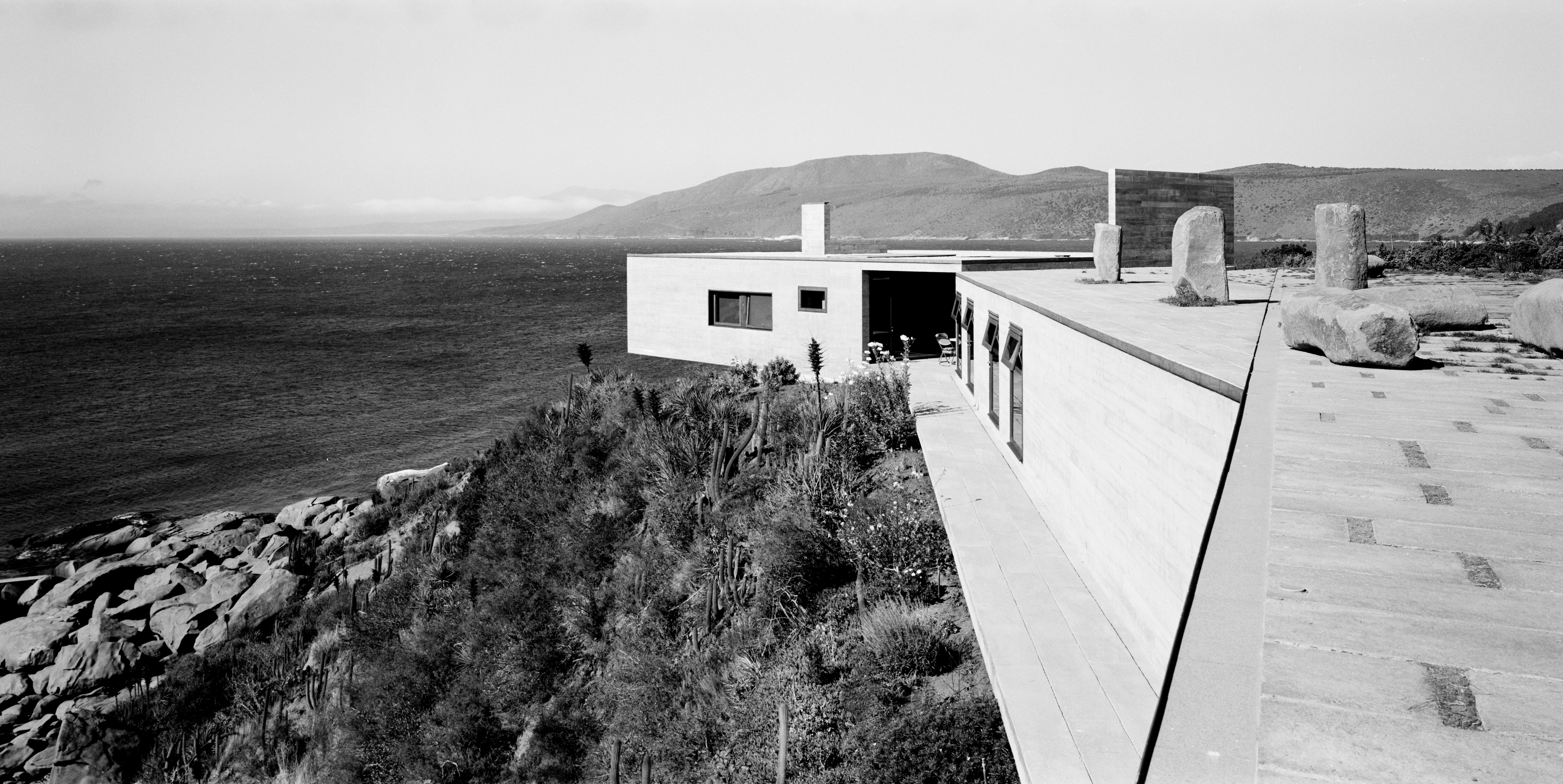
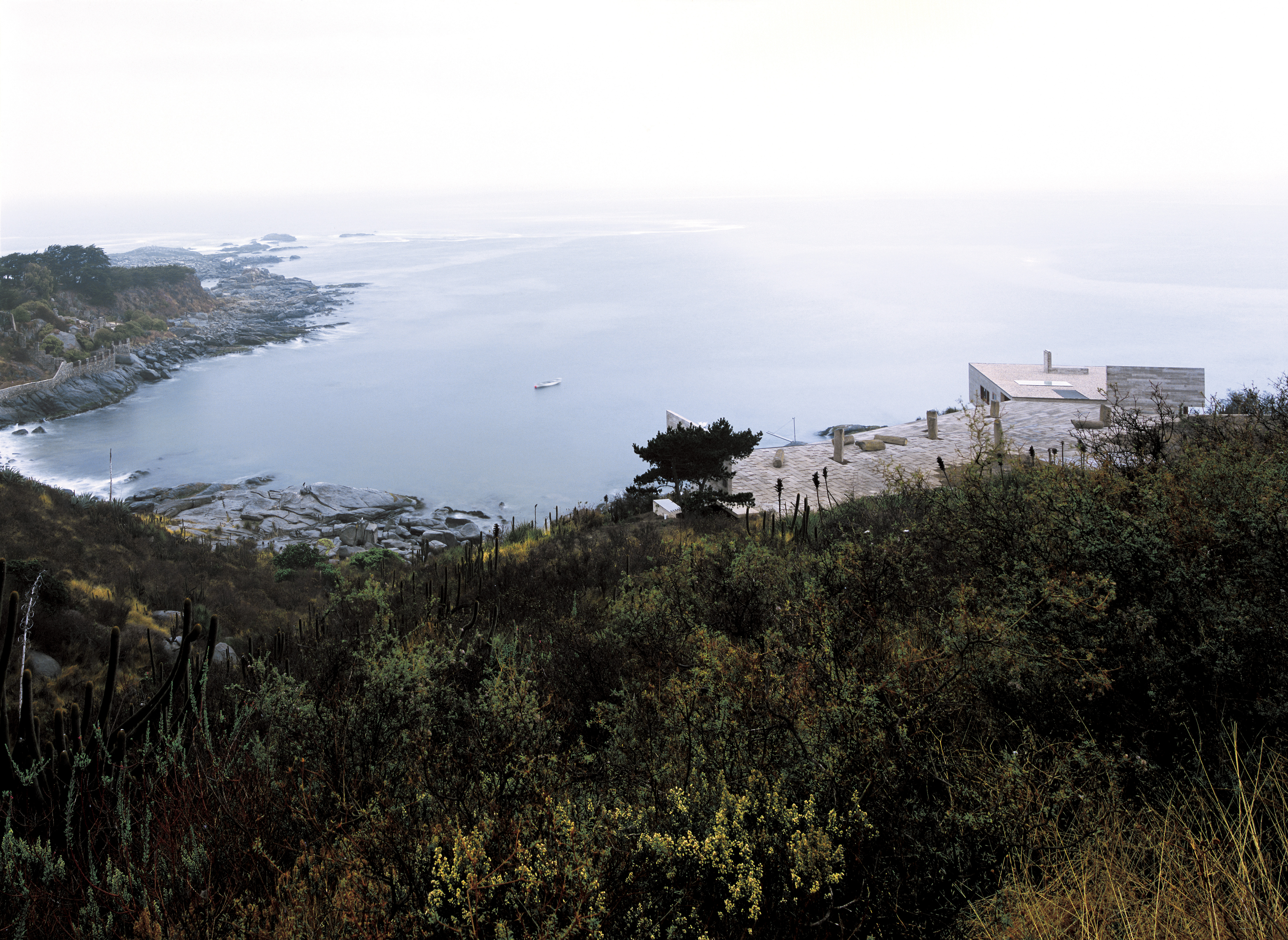
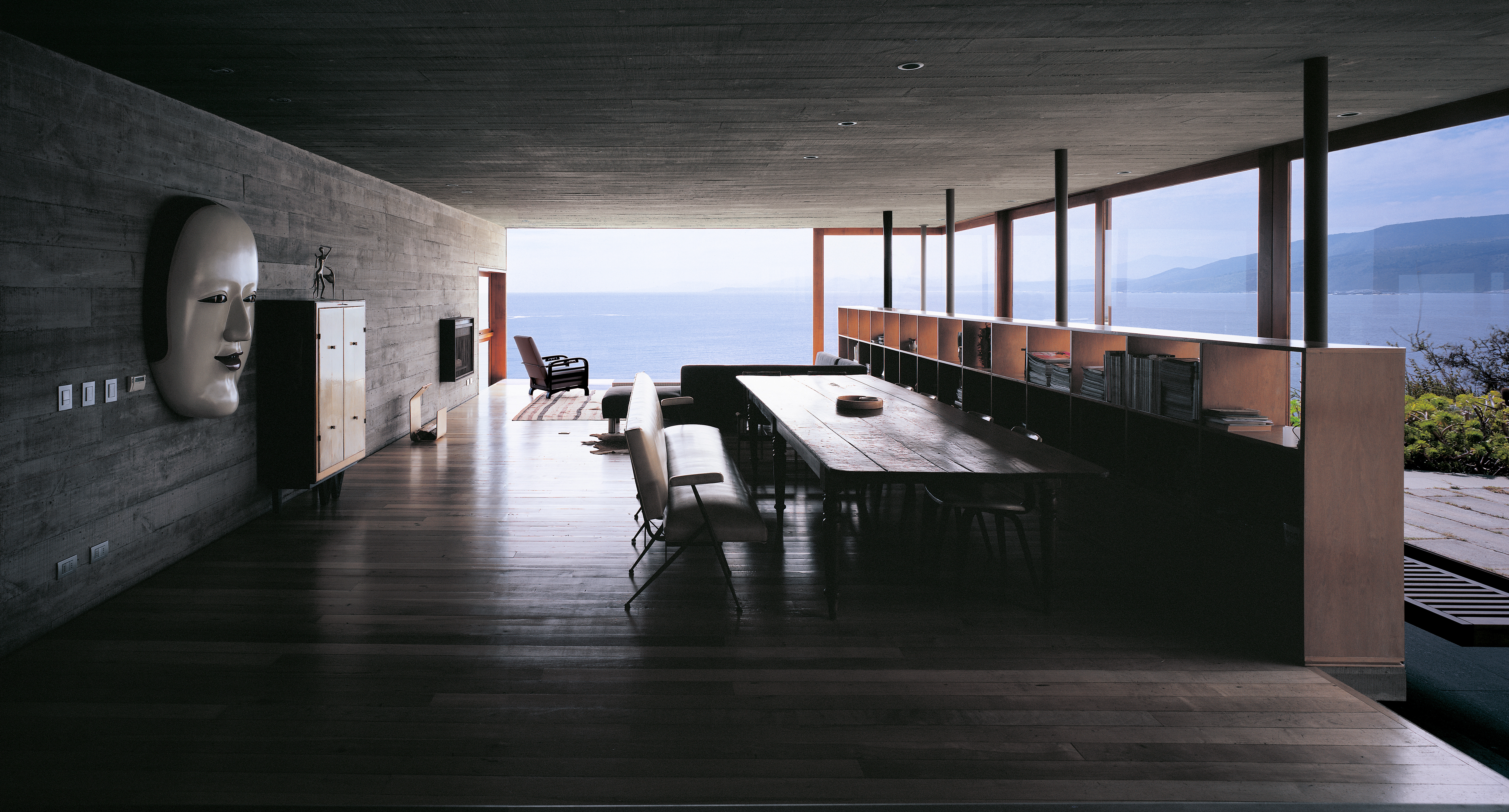
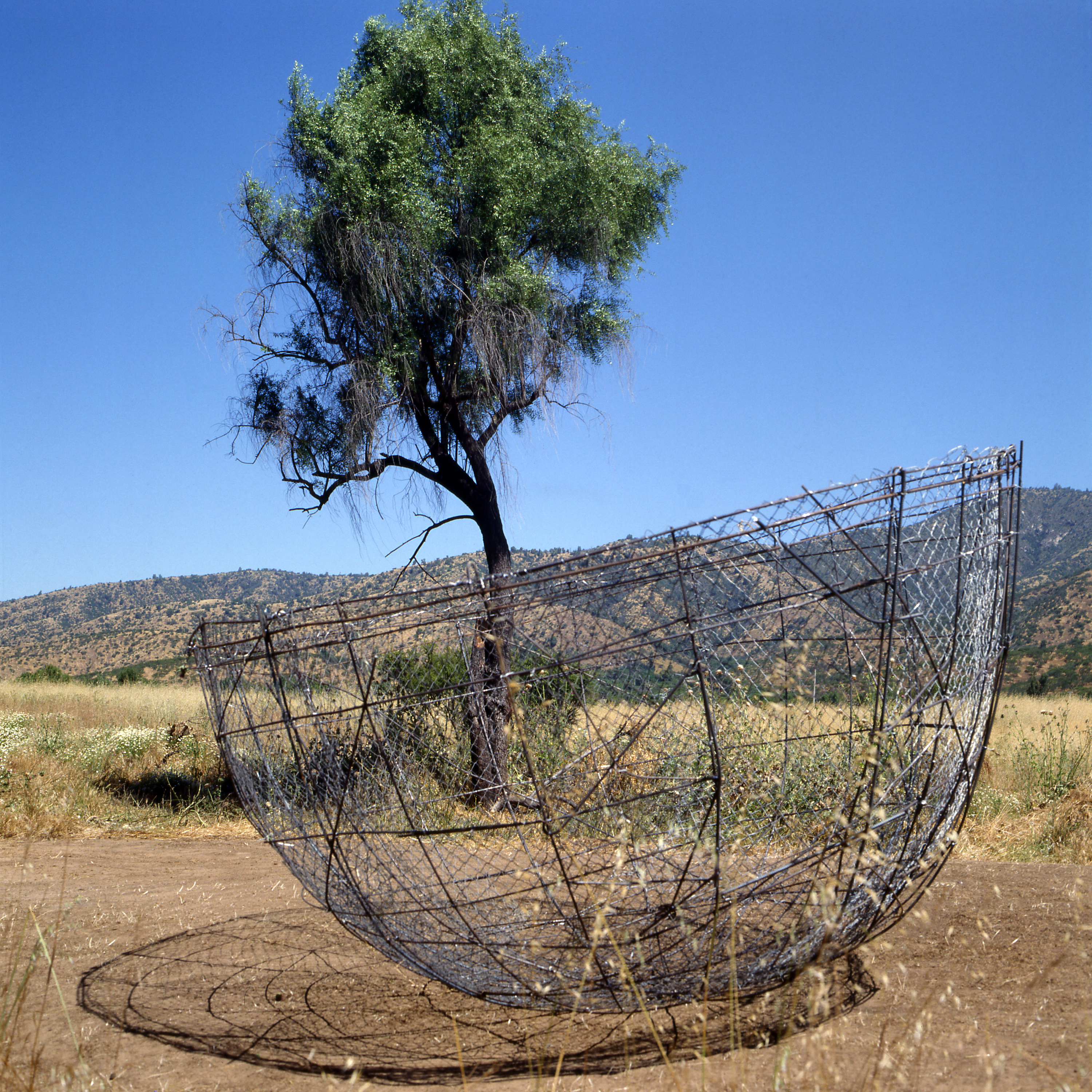
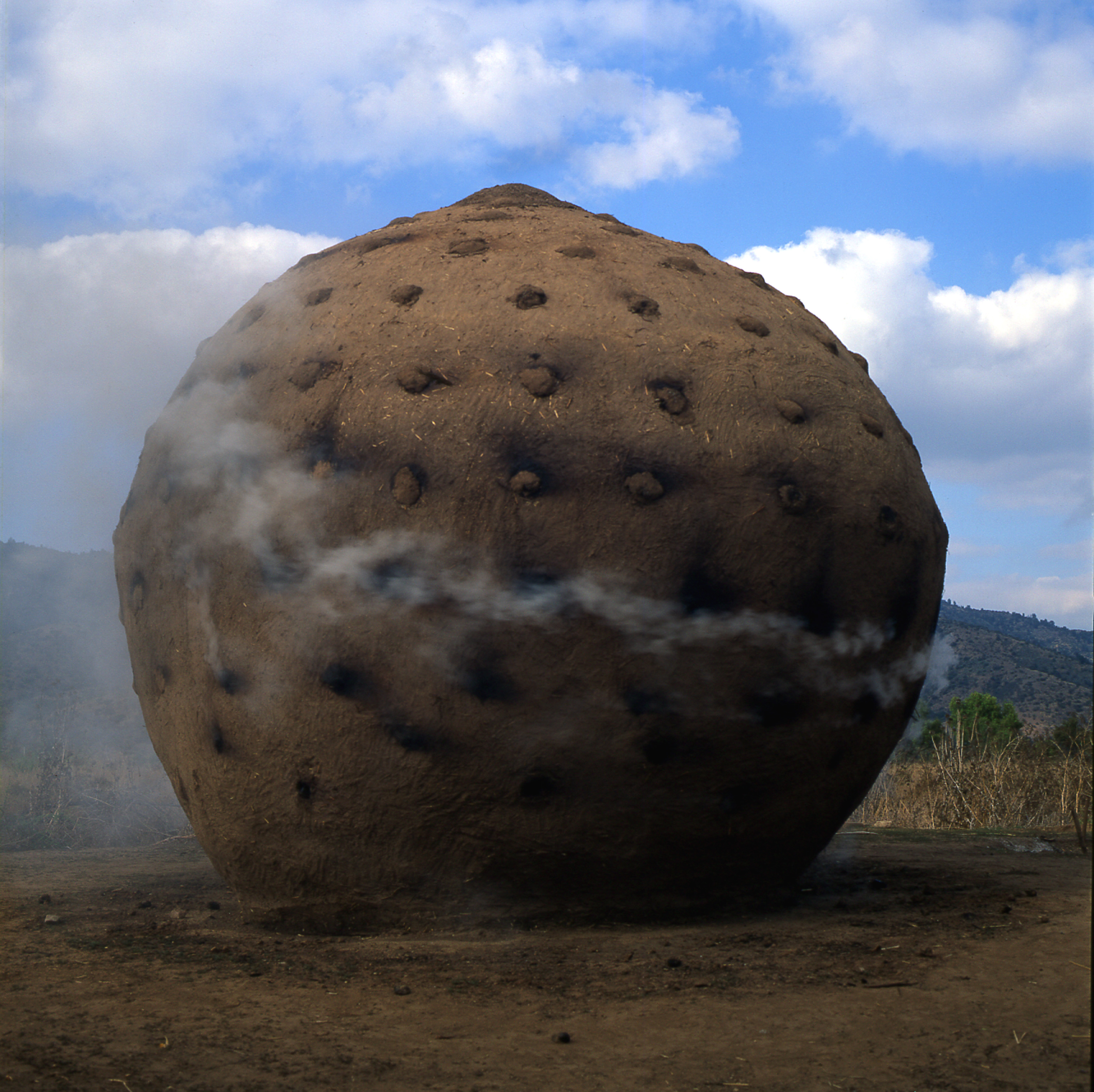
Smiljan Radić Clarke, 2026 Pritzker Laureate, will deliver the keynote lecture, reflecting on travel as a formative and ongoing dimension of architectural practice. His will consider how architecture is shaped not only by formal knowledge, but by the accumulation of lived experiences encountered along the journey. Rather than a conventional discourse, the lecture unfolds as an invitation to engage architecture as a personal and reflective pursuit, suggesting that understanding emerges from observation, movement, and individual perception.
“When I travel, I don’t collect photographs. Rather, I collect moments that at the time may appear incidental, difficult to explain, or even seemingly ordinary. Yet, these references stay with me, acquiring distinct meaning through attention and accumulating into a kind of knowledge,” expresses Radić.
The 2026 Jury Citation states, in part, “[H]is unorthodox approach to design may initially appear unusual, unexpected—even rebellious—yet far from producing alienation or estrangement, his anti-canonical stance feels fresh and unprecedented. It conveys the unmistakable sensation of encountering something new.”
Mónica Cejudo Collera, Dean of the Faculty of Architecture, UNAM, expresses, “We are honored to have Smiljan Radić at the Faculty of Architecture at UNAM. His singular vision of architecture and his critical thinking, reflected in both his built work and his writings, are fundamental to the formative stage of our students.”
Following the lecture, Radić will be joined by Laureates including Liu Jiakun (2025) and Francis Kéré (2022) for an intimate discussion on the successes and challenges of their careers, which center around user-centered works that prioritize the justice and integrity of community.
“Smiljan’s work possesses a powerful sense of originality and a cultural temperament that is both complex and distinct. It is radical, profound, sensitive, uncompromising, subtle yet enchanting, saturated with imagination and poetic grace. He has innovated architectural organizational methods, revealed the true essence of materials, awakened individual perception, and expanded the language of expression,” says Jiakun. “Architecture is an art, and Smiljan has advanced far in the pursuit of architectural artistry.”
The event is free and open to the public but capacity will be limited and registration is required: bit.ly/2026-laureate-lecture. The program will also be viewable via livestream: bit.ly/2026-lecture-livestream.
The Laureate Lecture and Panel Discussion is presented following the 2026 Ceremony, hosted at Castillo de Chapultepec, Mexico City, a historic monument and a living cultural institution that symbolizes the depth of Mexico’s history, and demonstrates the evolution of its national identity.
Smiljan Radić Clarke is the 55th Laureate of the Pritzker Architecture Prize, and resides in Santiago Chile. The 2026 ceremony video will be released this fall.
###
About The Pritzker Architecture Prize
The Pritzker Architecture Prize was founded in 1979 by the late Jay A. and late Cindy Pritzker. Its purpose is to honor annually a living architect or architects whose built work demonstrates a combination of those qualities of talent, vision and commitment, which has produced consistent and significant contributions to humanity and the built environment through the art of architecture.
The Pritzker Architecture Prize Laureate Lecture and Panel Discussion offers a rare opportunity for global audiences to engage directly with Laureates, reflecting on the personal journeys that have shaped their contributions to the field of architecture. Held annually in partnership with leading academic and cultural institutions, the event is free and open to the public.
About Faculty of Architecture, UNAM
The Faculty of Architecture at UNAM is a public institution dedicated to the teaching of Architecture, Landscape Architecture, Industrial Design, and Urbanism. With origins in the Academy of San Carlos, founded in 1781, it is the oldest school of architecture in the Americas and a leading institution in the education, research, and dissemination of architecture and design in Latin America.
For more information about The Pritzker Architecture Prize, please contact:
Eunice Kim
Director of Communications
The Pritzker Architecture Prize
eunicekim@pritzkerprize.com