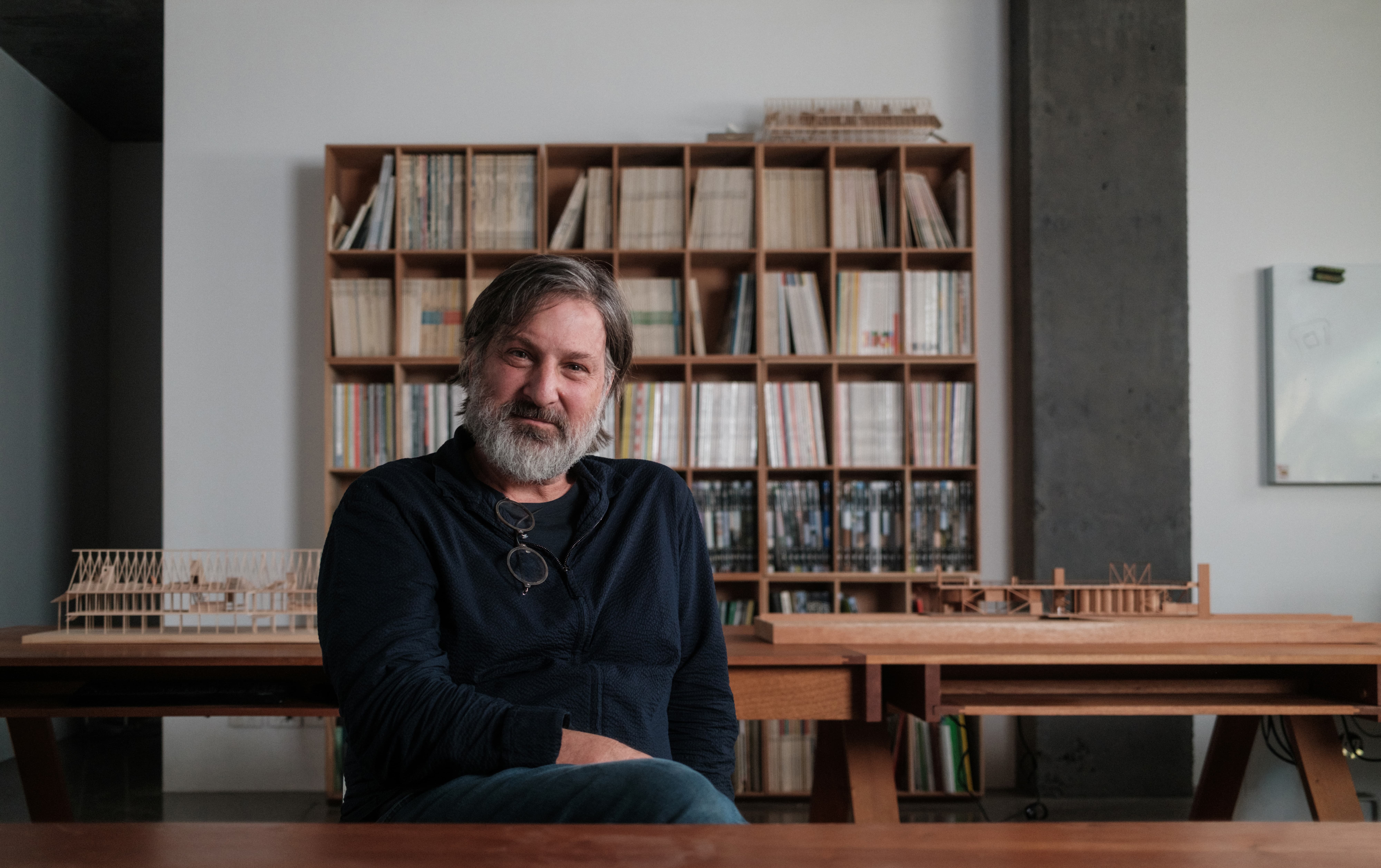
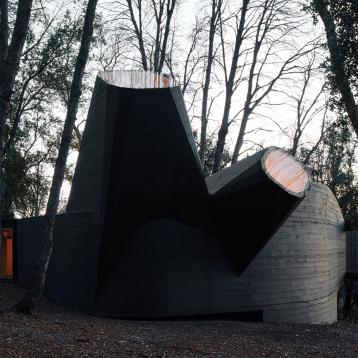
Like his architecture, the layers of Smiljan Radić Clarke’s life form a noncontinuous history shaped by movement, openness, and the gradual construction of meaning. Born in Santiago to an immigrant family—his father’s parents from Brač, Croatia, and his mother’s from the United Kingdom—Radić grew up with a heightened awareness of belonging, fostering an understanding of life as something assembled, not merely inherited. 

“Sometimes, you have to produce your own roots. That gives you freedom,” expresses Radić. 
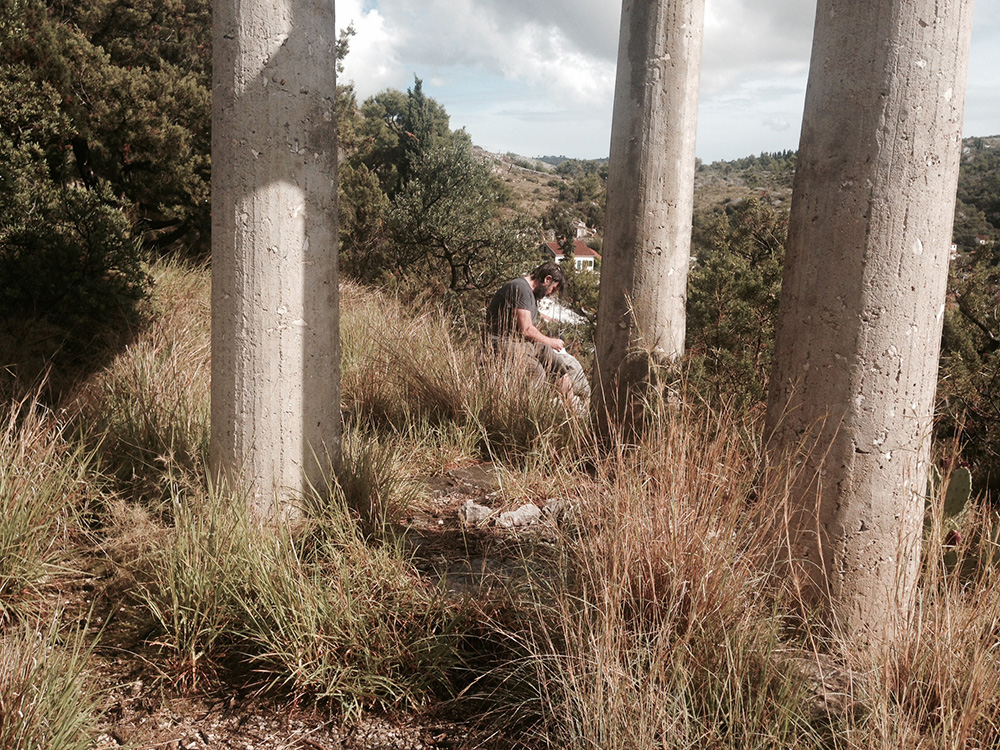
Image
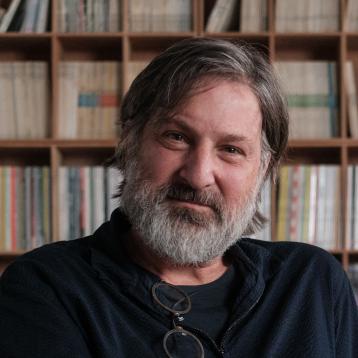
Smiljan Radić Clarke
Photo courtesy of Smiljan Radić

Radić’s path to architecture was not epiphanic, but emerged gradually through a series of experiences, doubts, and discoveries. He spent much of his childhood drawing and first encountered architecture at the age of fourteen, when an art teacher assigned him the task of designing a building as an exercise—an early memory that, in retrospect, resonates with the work he would later pursue. He studied architecture at Pontificia Universidad Católica de Chile, where he failed his initial attempt at the final examination before graduating in 1989. The setback proved formative, compelling him to study history at the Istituto Universitario di Architettura di Venezia, and travel extensively, which he regards as the most essential course of his education. Looking beyond conventional definitions of the discipline, philosophy, art, and allusion to mythical and literary references were infused into his imagery as much as into his forms. 

“Ideas inhabit things,” he reflects. “I have always tried to build settings where others might discover emergent ideas.” 
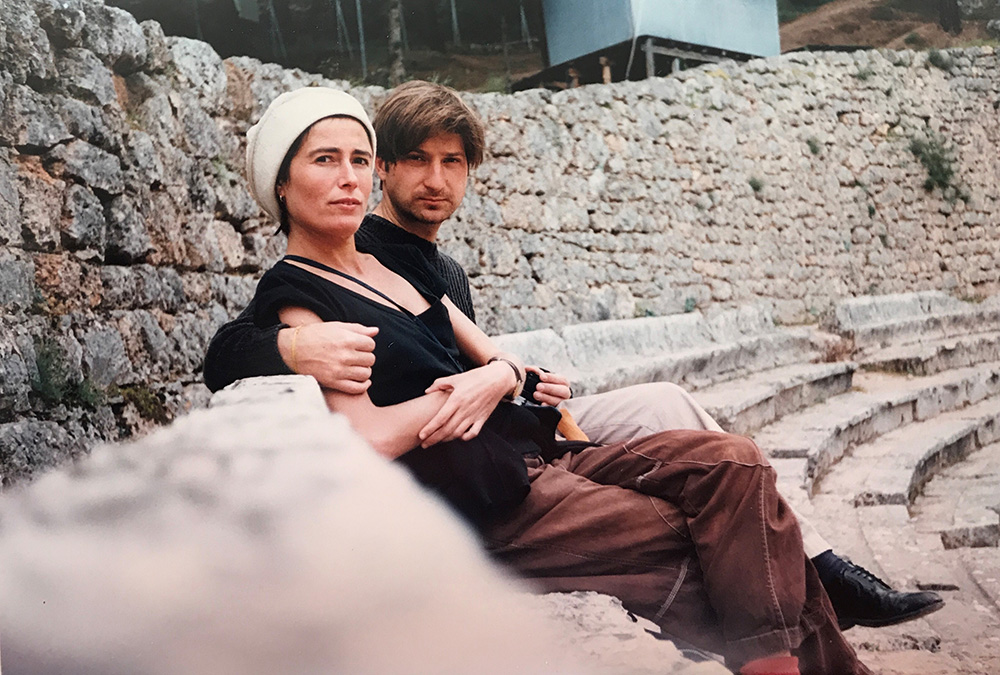
Image
Smiljan Radić Clarke with Marcela Correa
Photo courtesy of Smiljan Radić

During his collegiate years, he met sculptor Marcela Correa, who would later become his client and eventually his wife. He established his eponymous practice, Smiljan Radić Clarke, in 1995 in Santiago, Chile, which remains intentionally intimate in scale. Together, they designed her first house, Casa Chica (Vilches, Chile, 1997), a 24-square-meter building, which they built by hand in the Andes Mountains. Although the pair collaborate on occasion, they exchange a daily ongoing living dialogue of ideas carried through time. 

Personal circumstances and sustained inquiry led Radić to reexamine enclosure as condition of resistance, care, and quiet resilience. “There is a complexity in enclosure: a shelter provides a distance from reality, whereas a refuge urges you to feel that the life inside is unique. But what we need is protection—a place of stability to accept fragility.” This tension between shelter and refuge, protection and introspection, mirrors his own experience of constructing stability in the absence of fixed roots. 
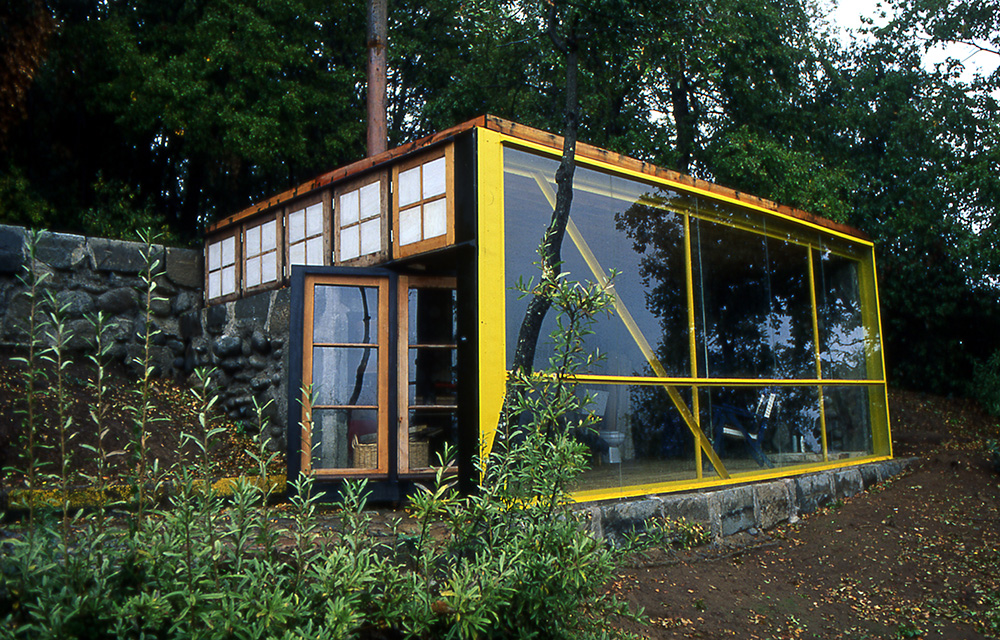
Image
Casa Chica
Photo courtesy of Smiljan Radić

Over time, these interests expanded across scales and typologies, from civic and cultural institutions, commercial buildings, private residences, and temporary structures. With Correa, he created The Boy Hidden in a Fish (Venice, Italy, 2010), a granite and cedar installation for the entrance of the 12th International Architecture Exhibition at the Venice Architecture Biennale curated by Sejima Kazuyo, Juror and 2010 Pritzker Prize Laureate, which shelters human figures within mass, reflecting this attention to bodily and emotional register. 

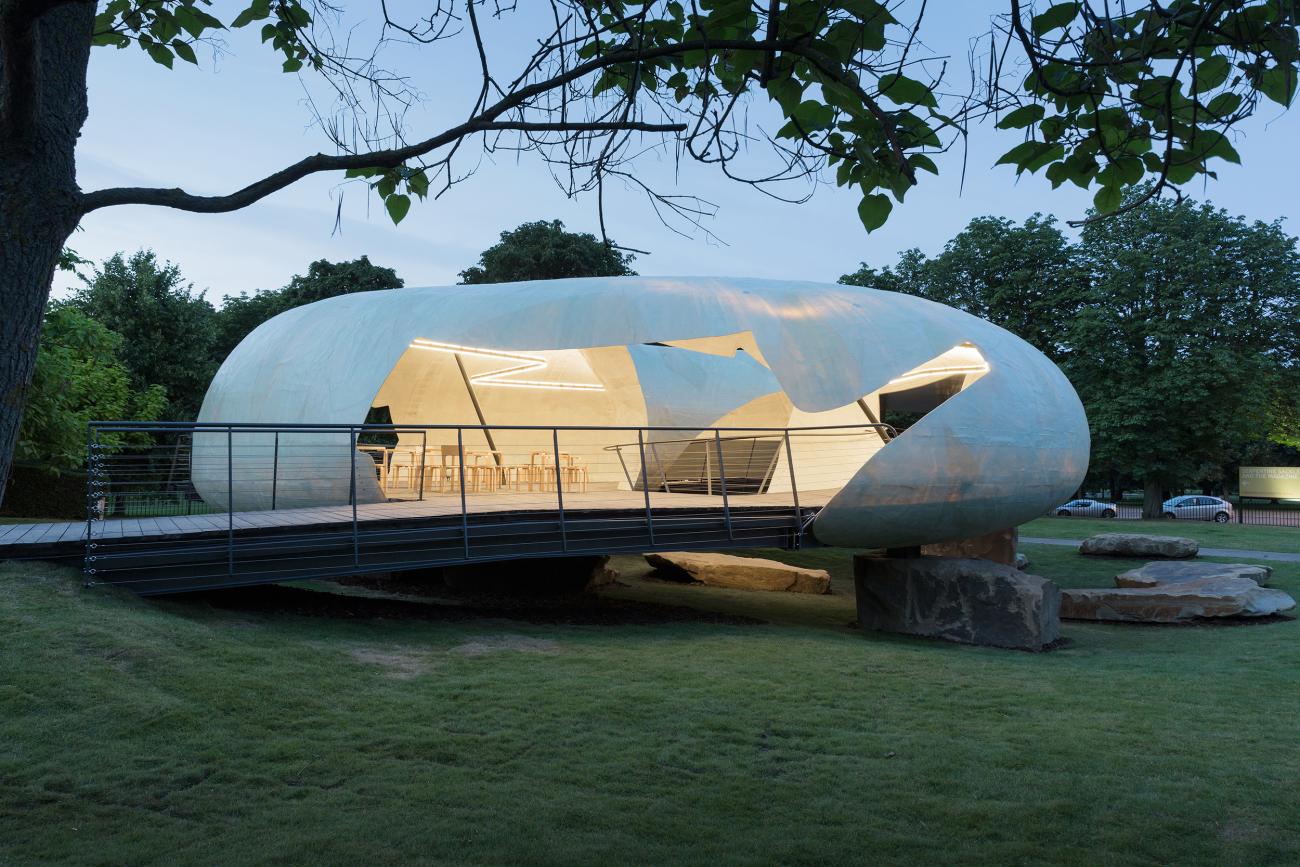
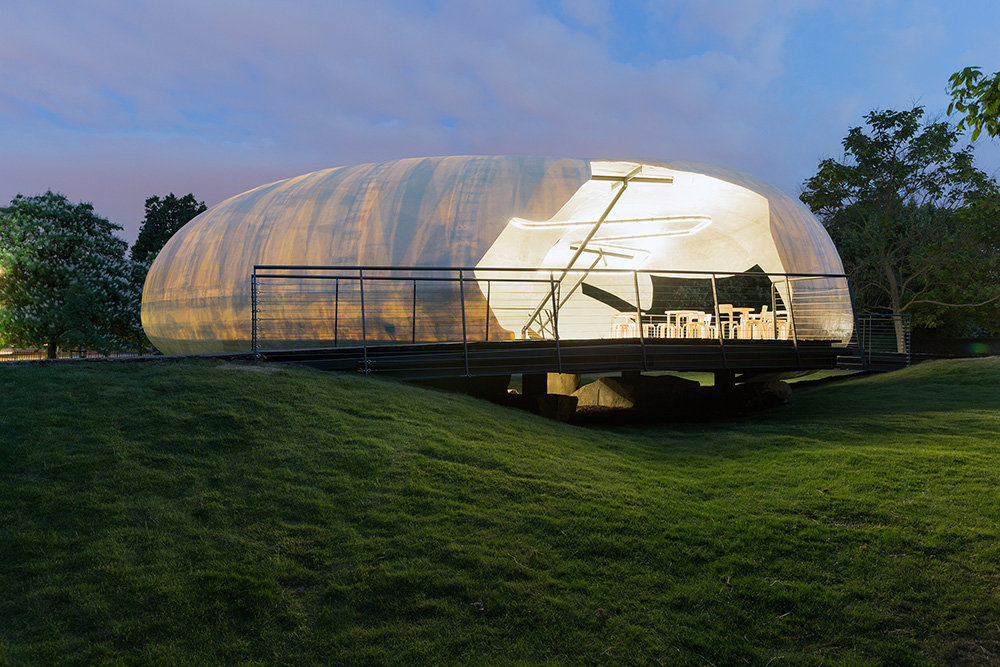
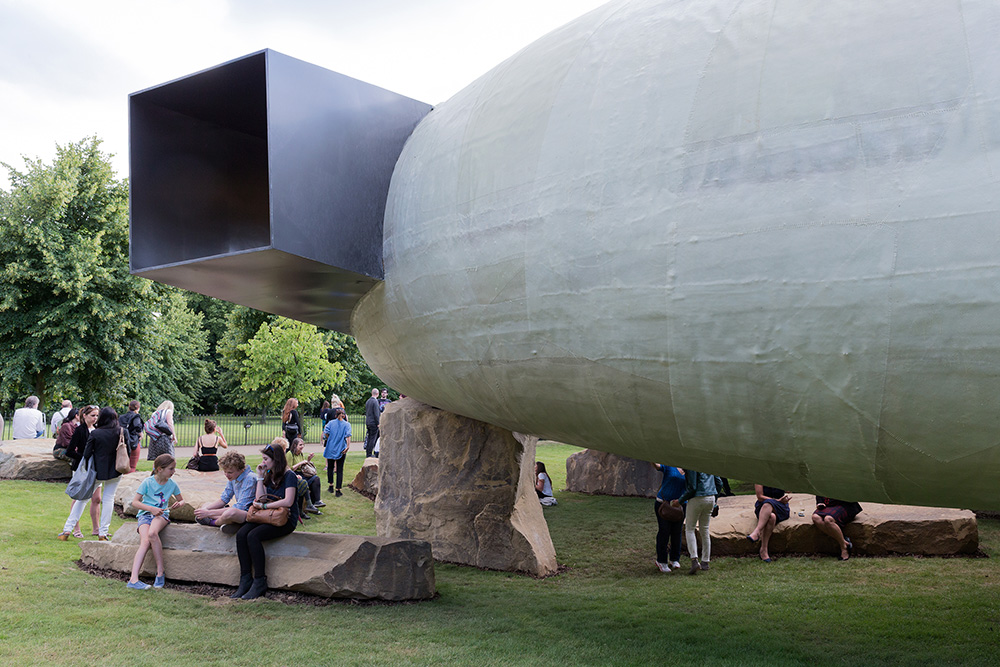
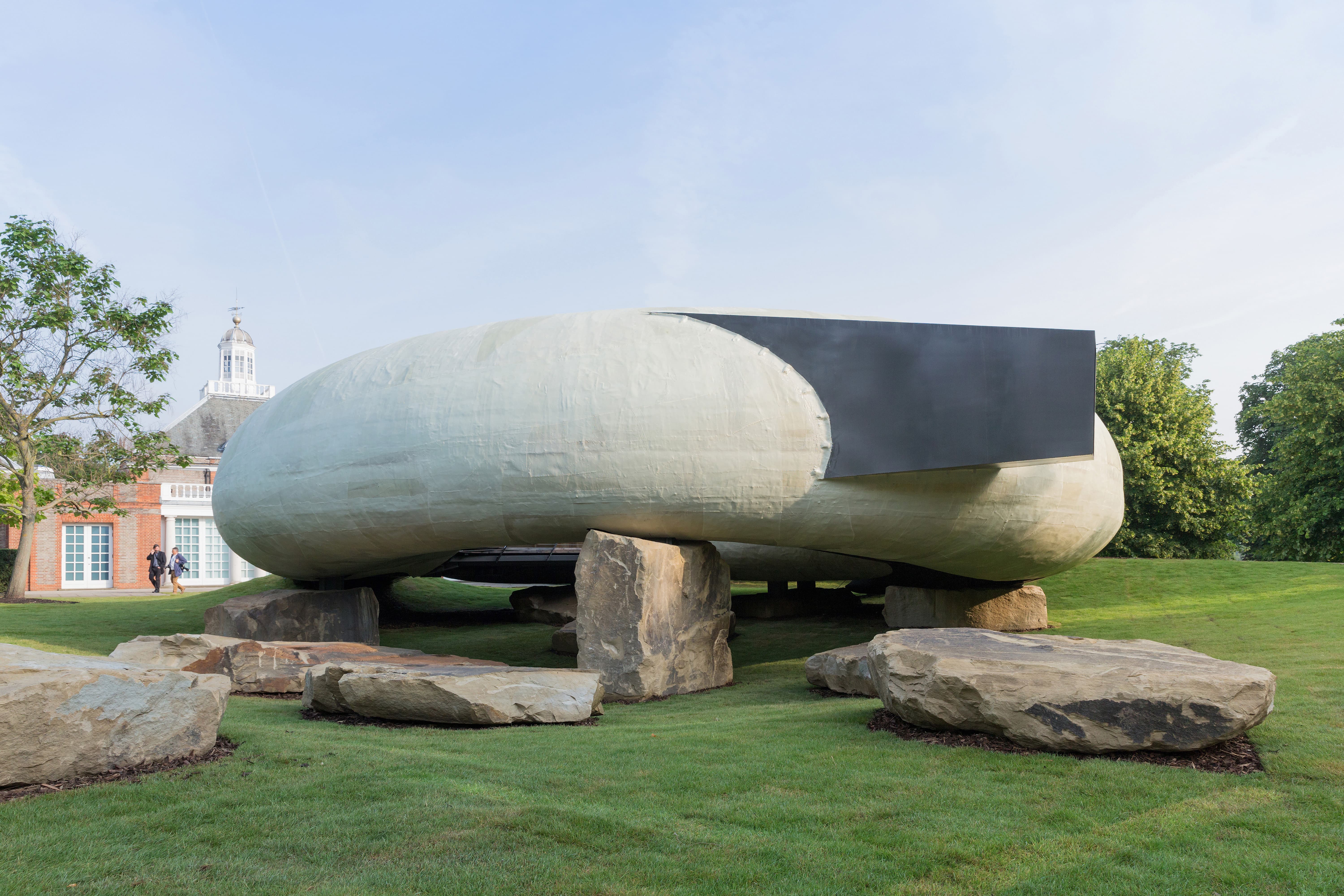
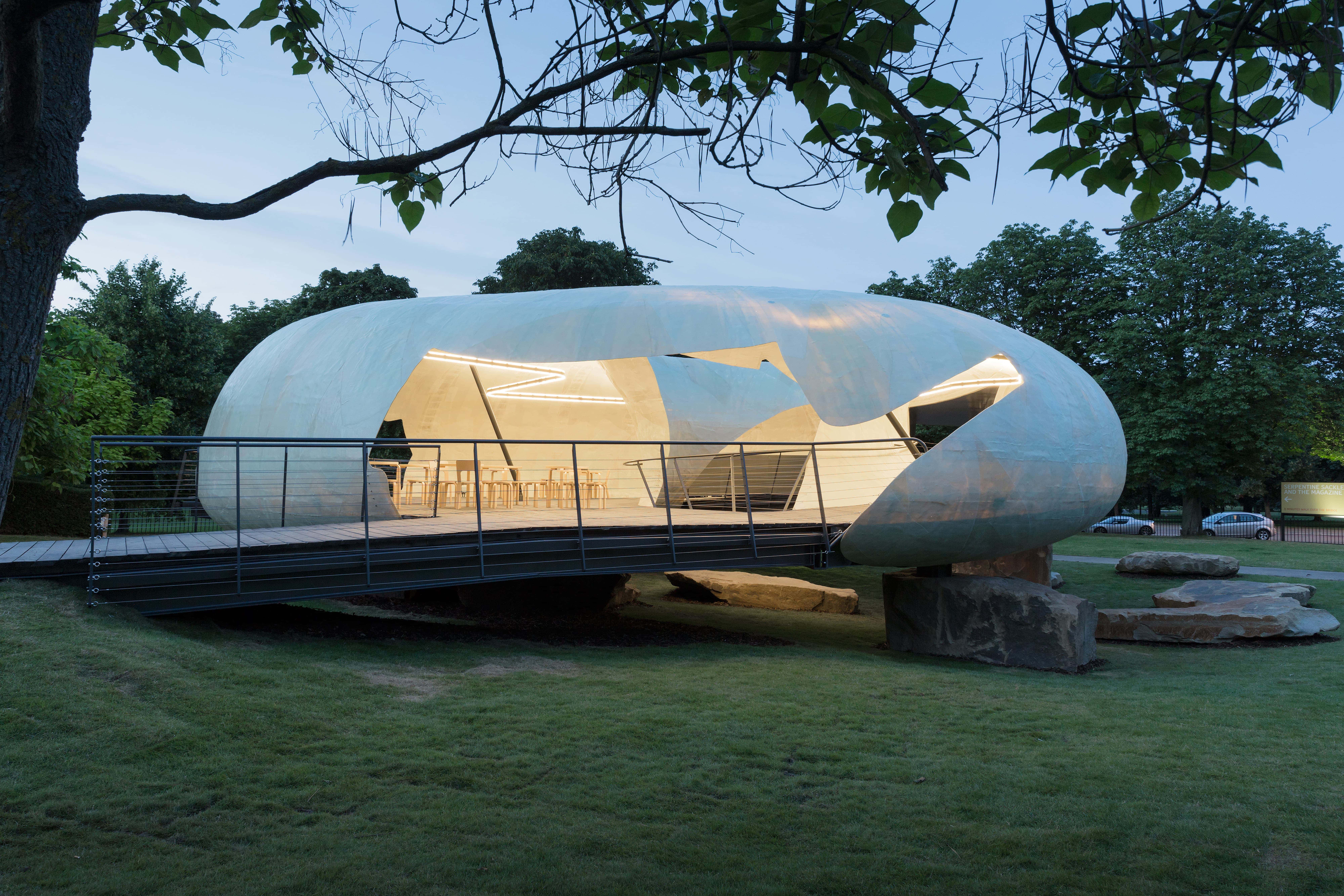
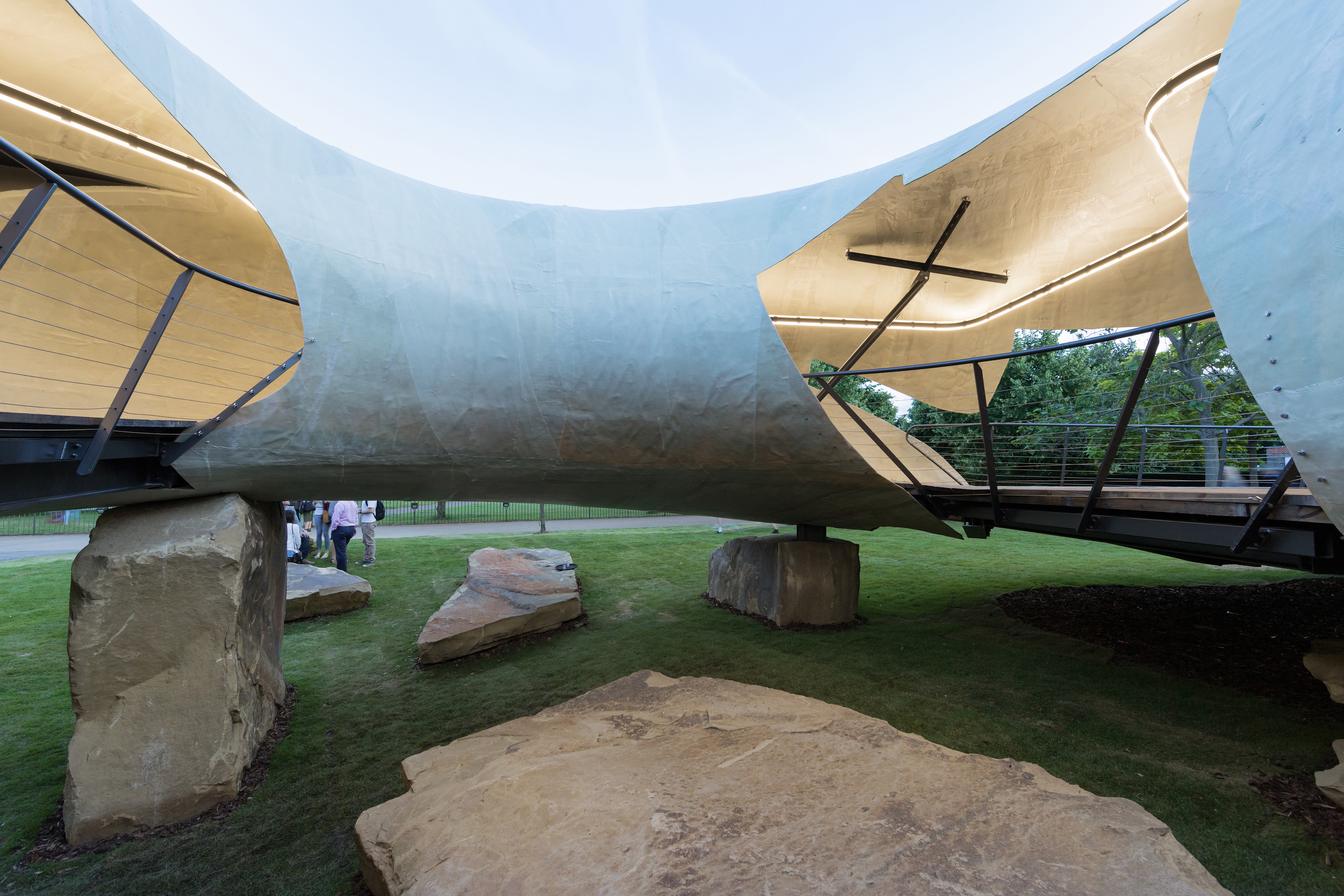
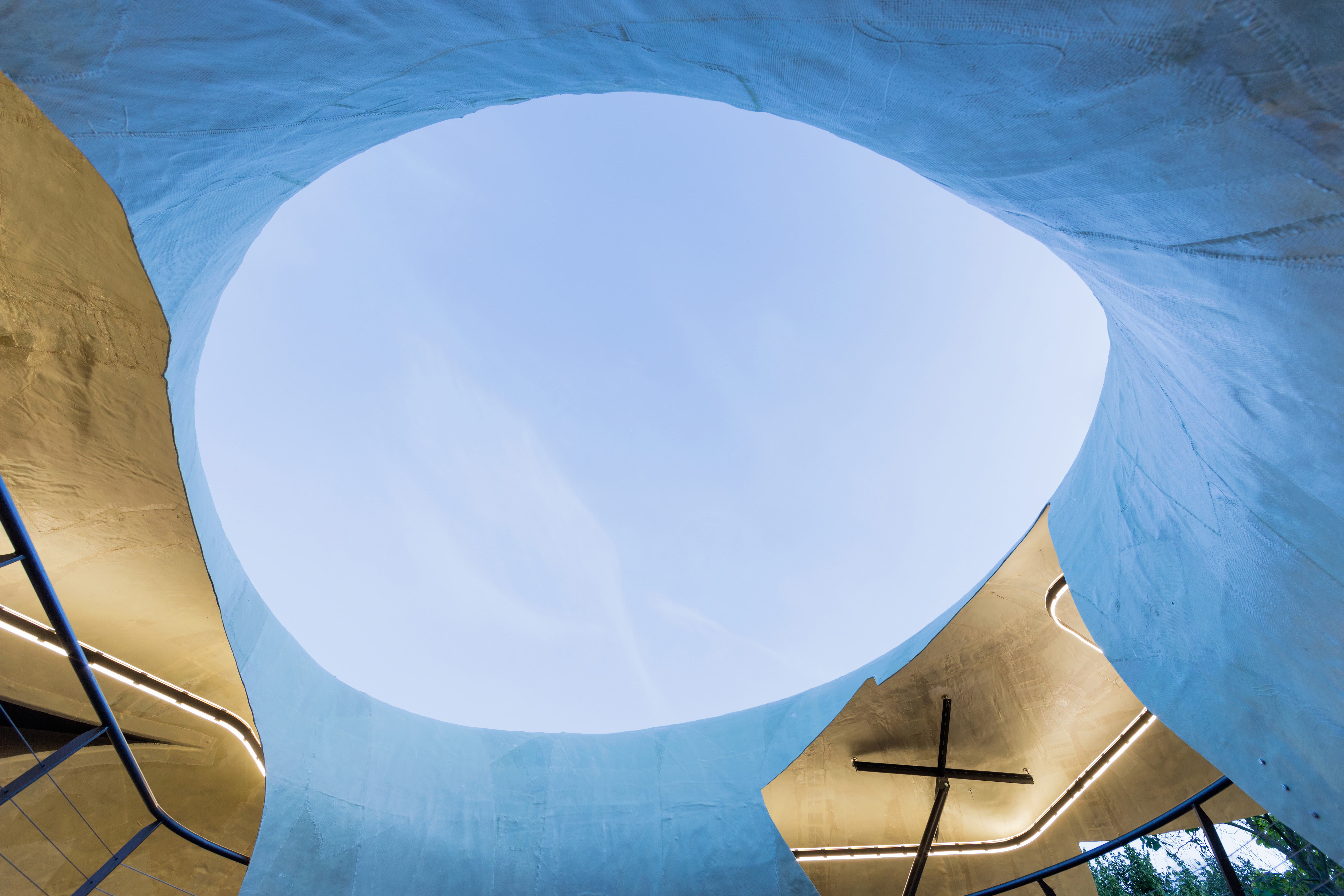
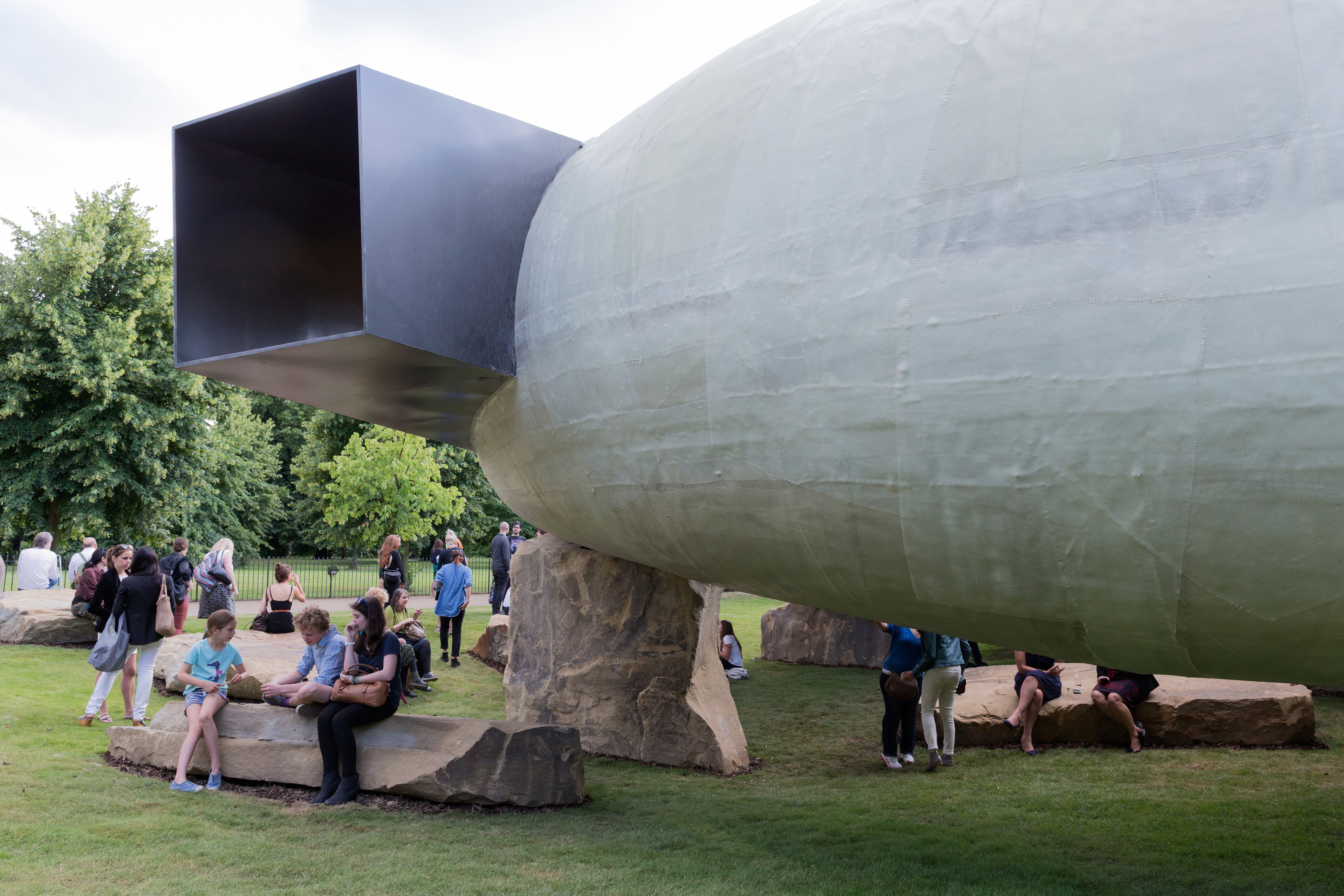
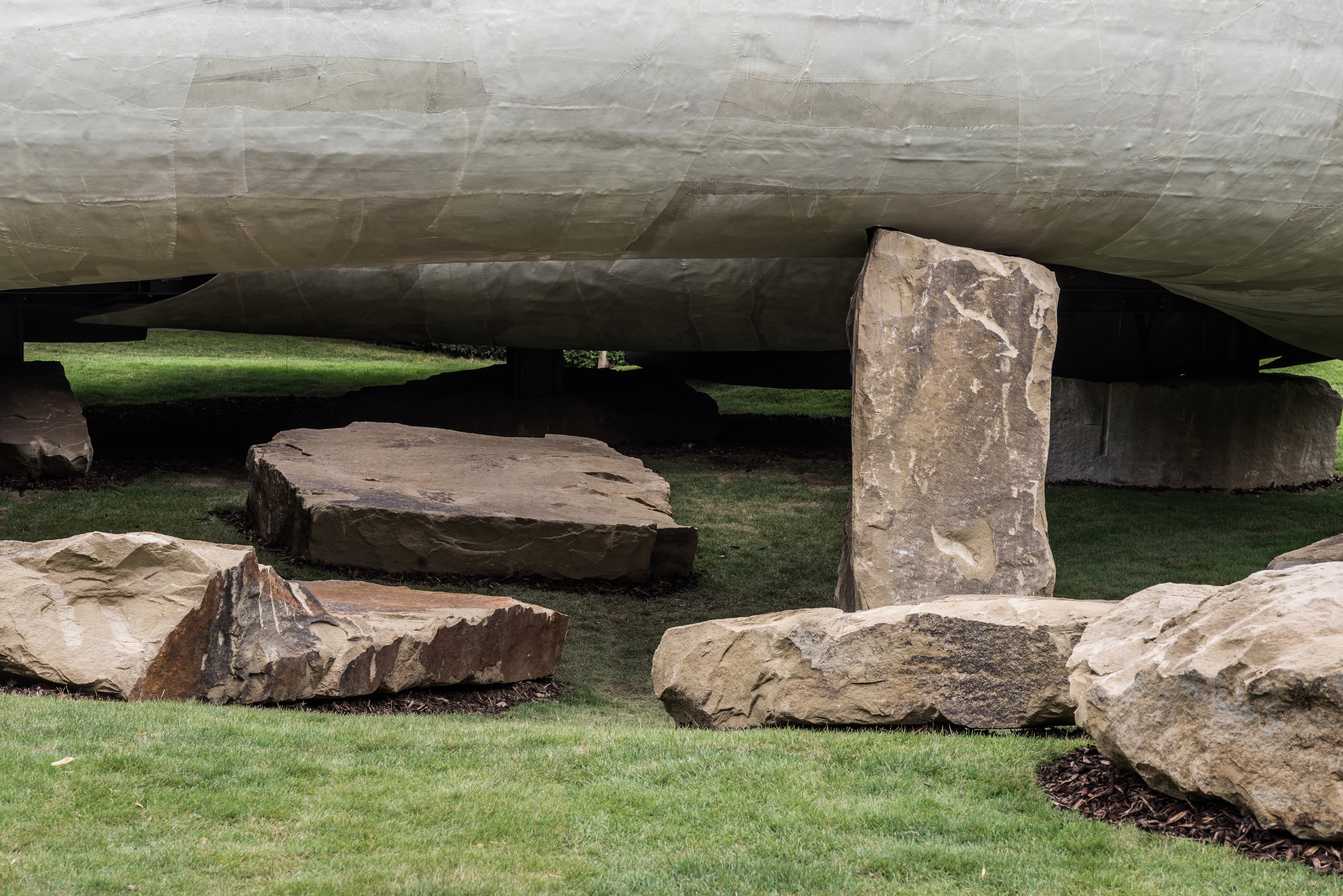
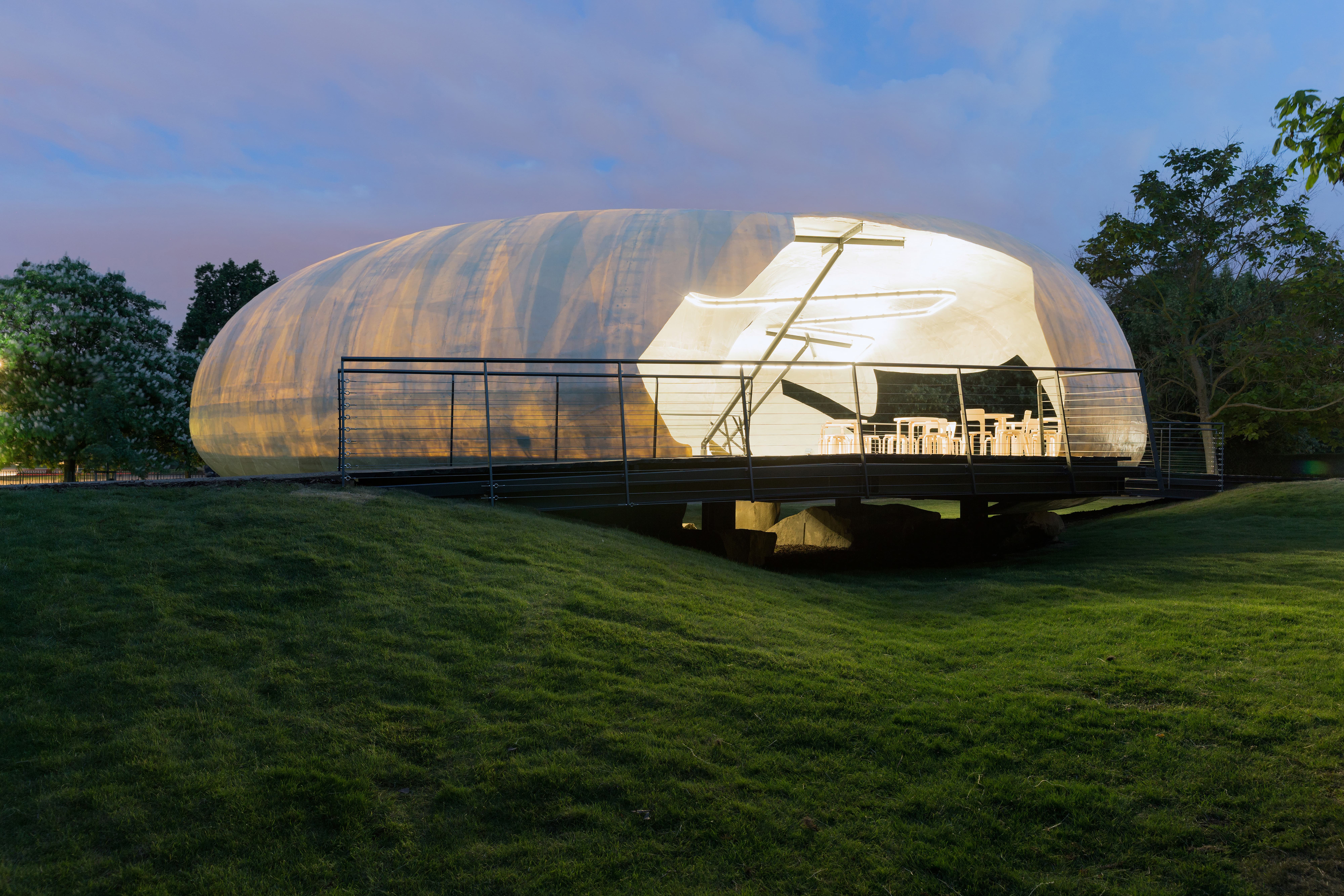

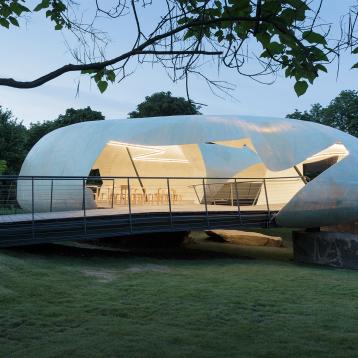
He was selected to design the 14th Serpentine Pavilion (London, United Kingdom, 2014), a translucent fiberglass shell resting upon load-bearing stones, resulting in a temporary refuge that is neither fully enclosed nor openly transparent. His works suggest an architecture that remains attuned to emotional presence and the quiet intelligence of construction.

In 2017, Radić founded the Fundación de Arquitectura Frágil, housed within his home studio in Santiago, to support experimental architecture that challenges disciplinary boundaries. Through exhibitions, workshops, and shared inquiry, the foundation reflects his belief in architecture as a collective and evolving practice.
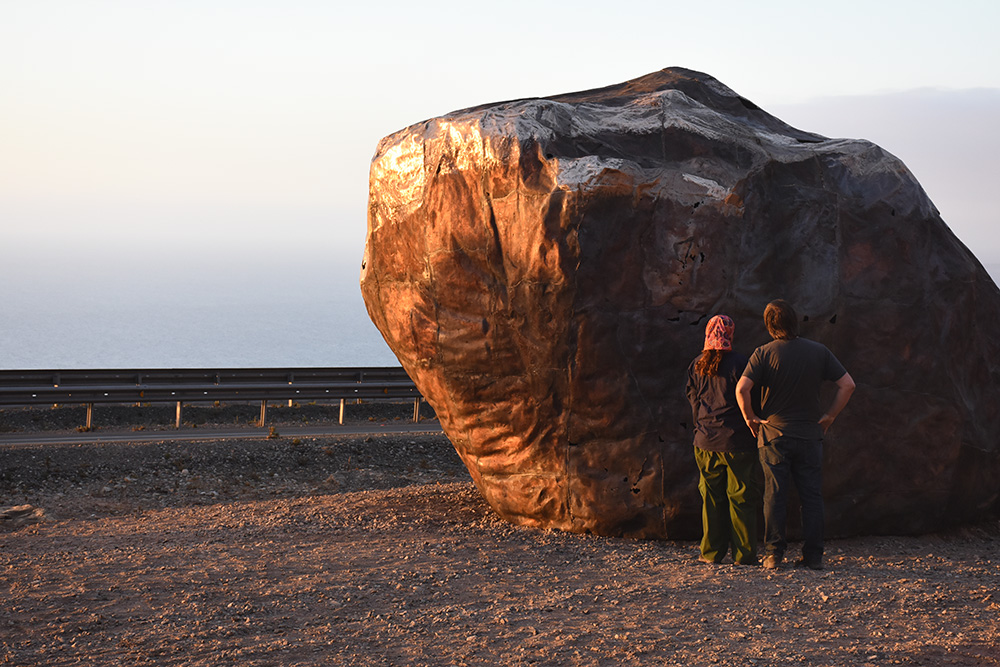
Image
Smiljan Radić Clarke
Photo courtesy of Marcial Ugarte

Radić’s work has been recognized with numerous international honors, including being named Best Architect Under 35 by the Colegio de Arquitectos de Chile (Chile, 2001), the Architectural Record Design Vanguard Award (United States, 2008), the Oris Award (Croatia, 2015), the Arnold W. Brunner Memorial Prize from the American Academy of Arts and Letters (United States, 2018), and the Grand Prize at the Pan-American Architecture Biennial of Quito (Ecuador, 2022). He is an Honorary Member of the American Institute of Architects and an Honorary Fellow of the Croatian Academy of Sciences and Arts, since 2009 and 2020, respectively.

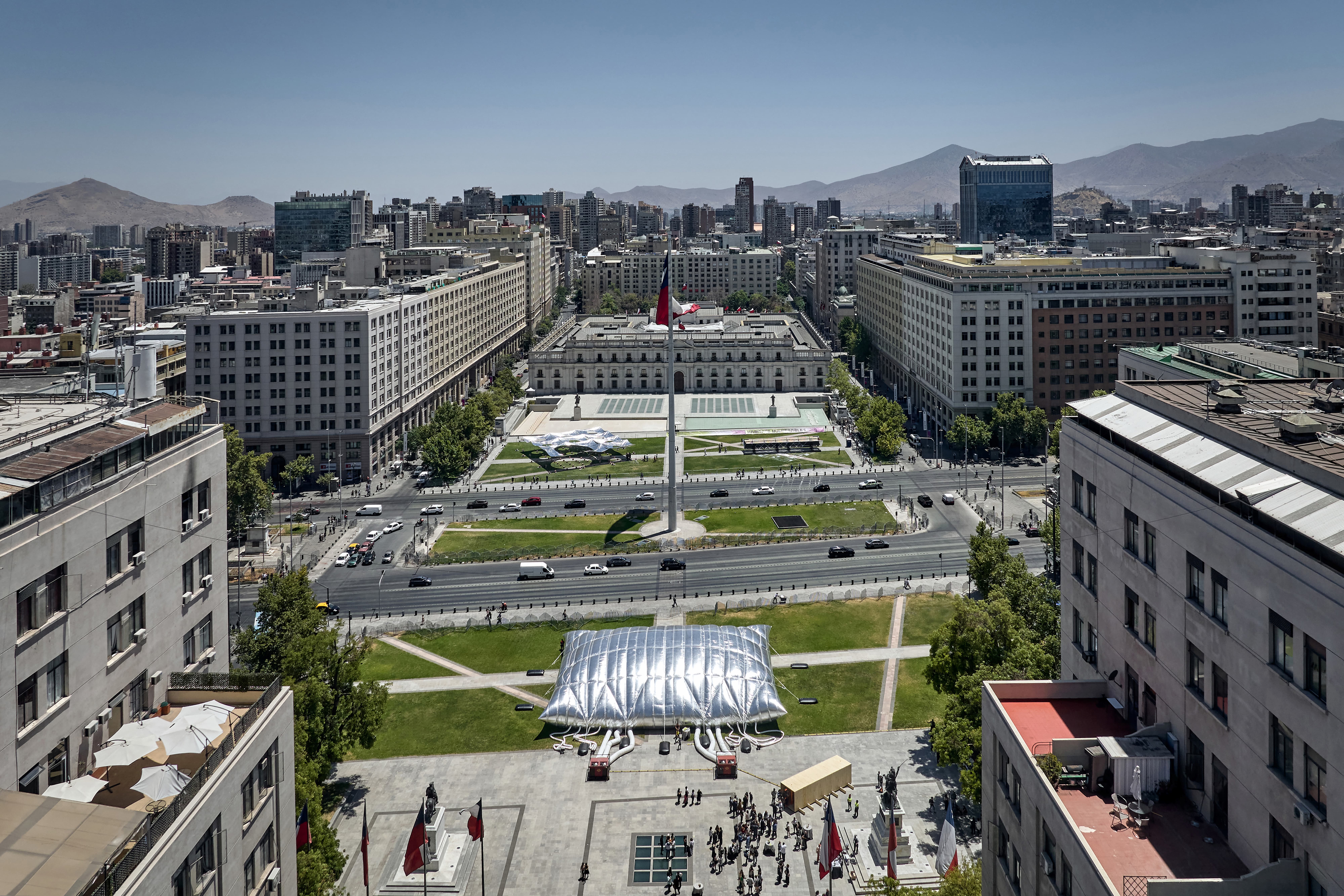
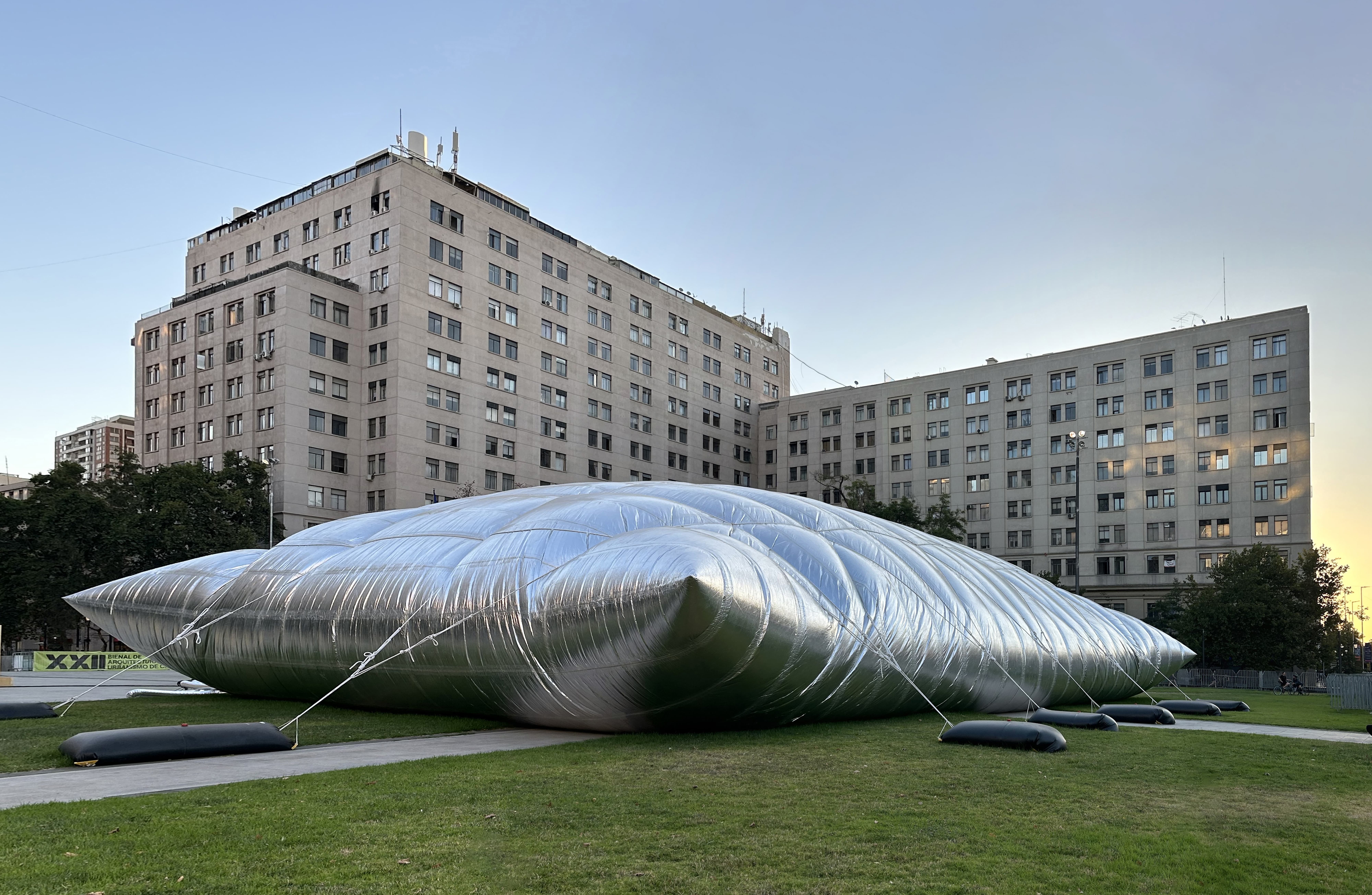
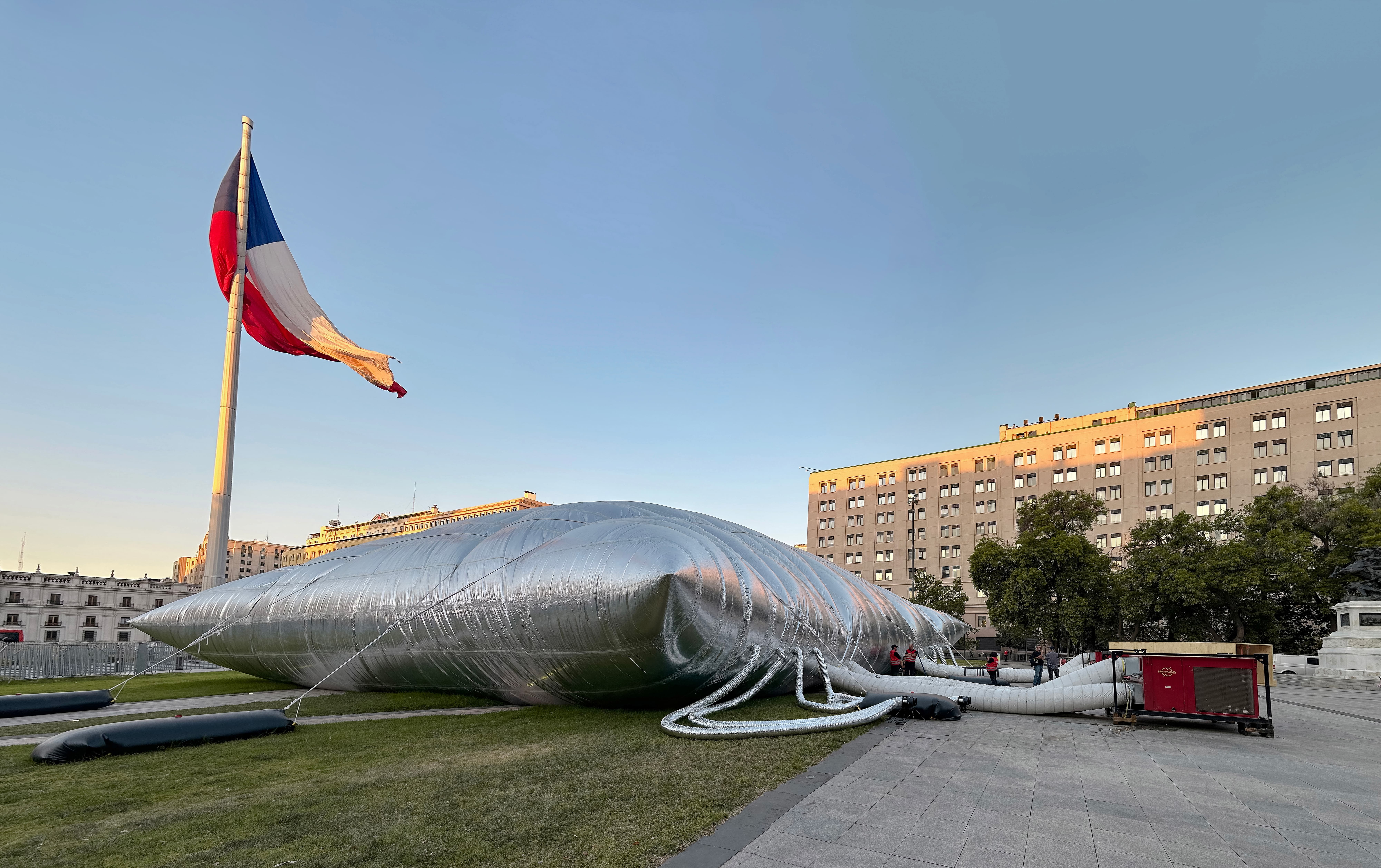

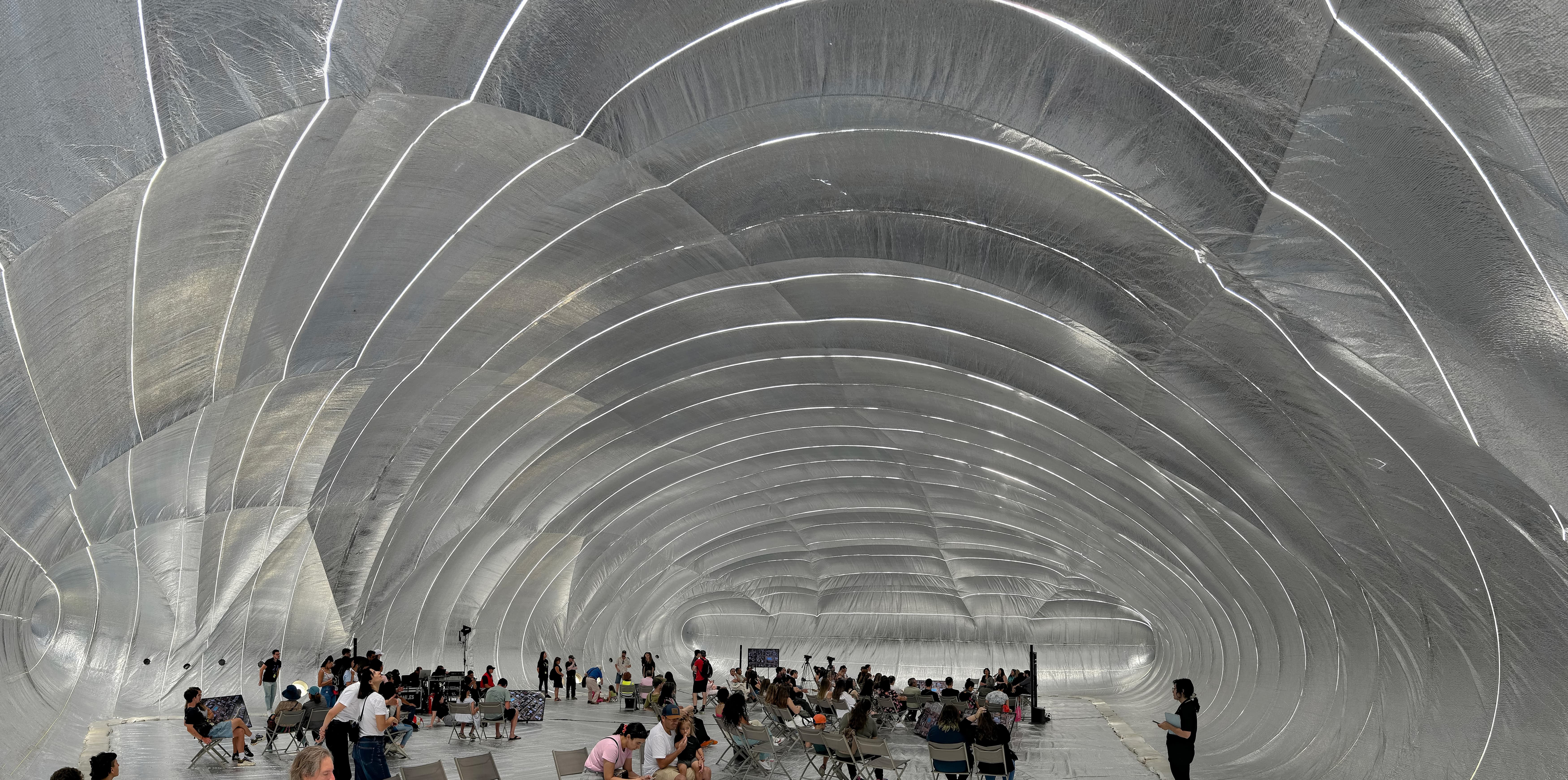
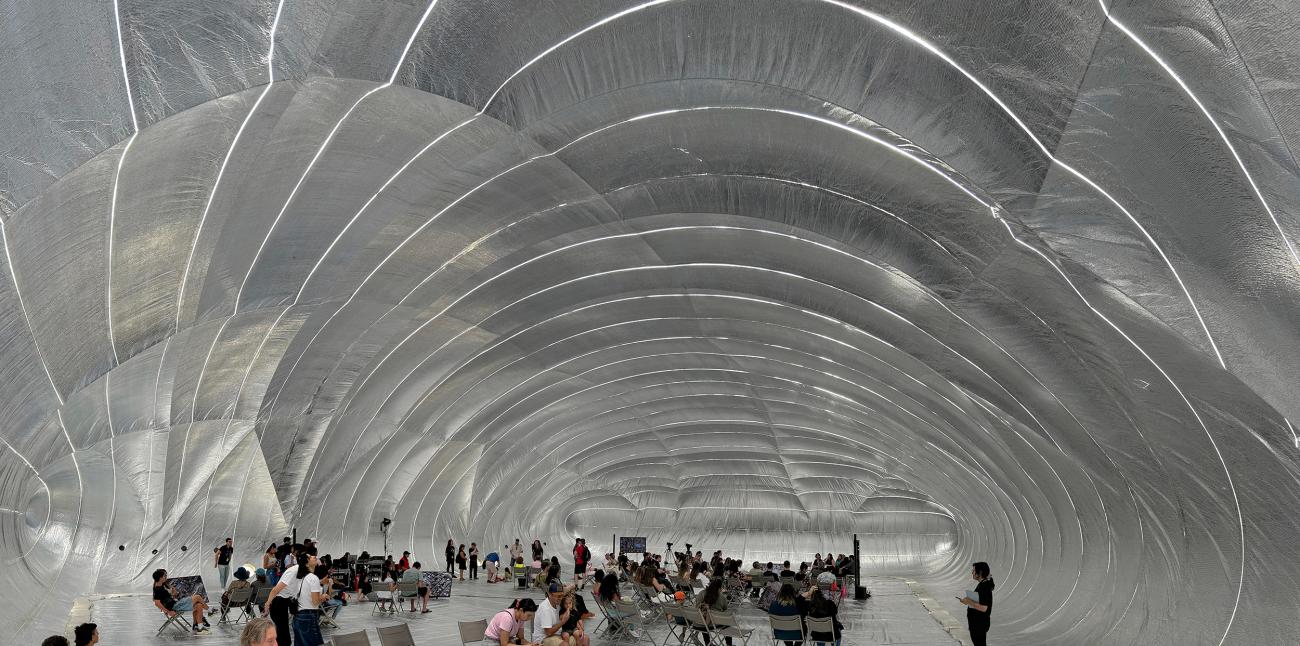
Radić’s work has been featured in major exhibitions internationally, including Global Ends at Gallery Ma (Tokyo, Japan, 2010); Un Ruido Naranjo at Museum of Contemporary Art, (Hiroshima, Japan, 2012); The Wardrobe and the Mattress, Hermès Gallery, Tokyo, with Marcela Correa (Tokyo, Japan, 2013); Bus Stop for Krumbach at Kunsthaus Bregenz (Bergenz, Austria, 2013); Smiljan Radić: BESTIARY at TOTO Gallery Ma (Tokyo, Japan 2016); The House for the Poem of the Right Angle in Endless House: Intersections of Art and Architecture at The Museum of Modern Art (New York, United States, 2015–2016); and Guatero Bubble at the XXII Bienal de Arquitectura y Urbanismo de Chile (Santiago, Chile, 2023).

Radić continues to live and work from Santiago, Chile, sustaining an intentionally intimate practice in which architecture remains personal, attentive, and deeply felt.
Smiljan Radić Clarke Receives the 2026 Pritzker Architecture Prize

The Pritzker Architecture Prize announces Smiljan Radić Clarke, of Santiago, Chile, as the 2026 Laureate of the Pritzker Architecture Prize, the award that is regarded internationally as architecture’s highest distinction.

“Architecture exists between large, massive, and enduring forms—structures that stand under the sun for centuries, waiting for our visit—and smaller, fragile constructions—fleeting as the life of a fly, often without a clear destiny under conventional light. Within this tension of disparate times, we strive to create experiences that carry emotional presence, encouraging people to pause and reconsider a world that so often passes them by with indifference,” expresses Radić.
Image
Serpentine Gallery
Serpentine Gallery Pavilion, photo courtesy of Iwan Baan

Radić refuses a repeatable architectural language; instead, each project is approached as a singular inquiry, grounded in first principles and informed by noncontinuous history. Context, use and anthropological awareness take precedence. Site is understood not only in physical terms, but also as a convergence of history, social practice, and political circumstance.

The 2026 Jury Citation states, in part, “Through a body of work positioned at the crossroads of uncertainty, material experimentation, and cultural memory, Smiljan Radić favours fragility over any unwarranted claim to certainty. His buildings appear temporary, unstable, or deliberately unfinished—almost on the point of disappearance—yet they provide a structured, optimistic and quietly joyful shelter, embracing vulnerability as an intrinsic condition of lived experience.”

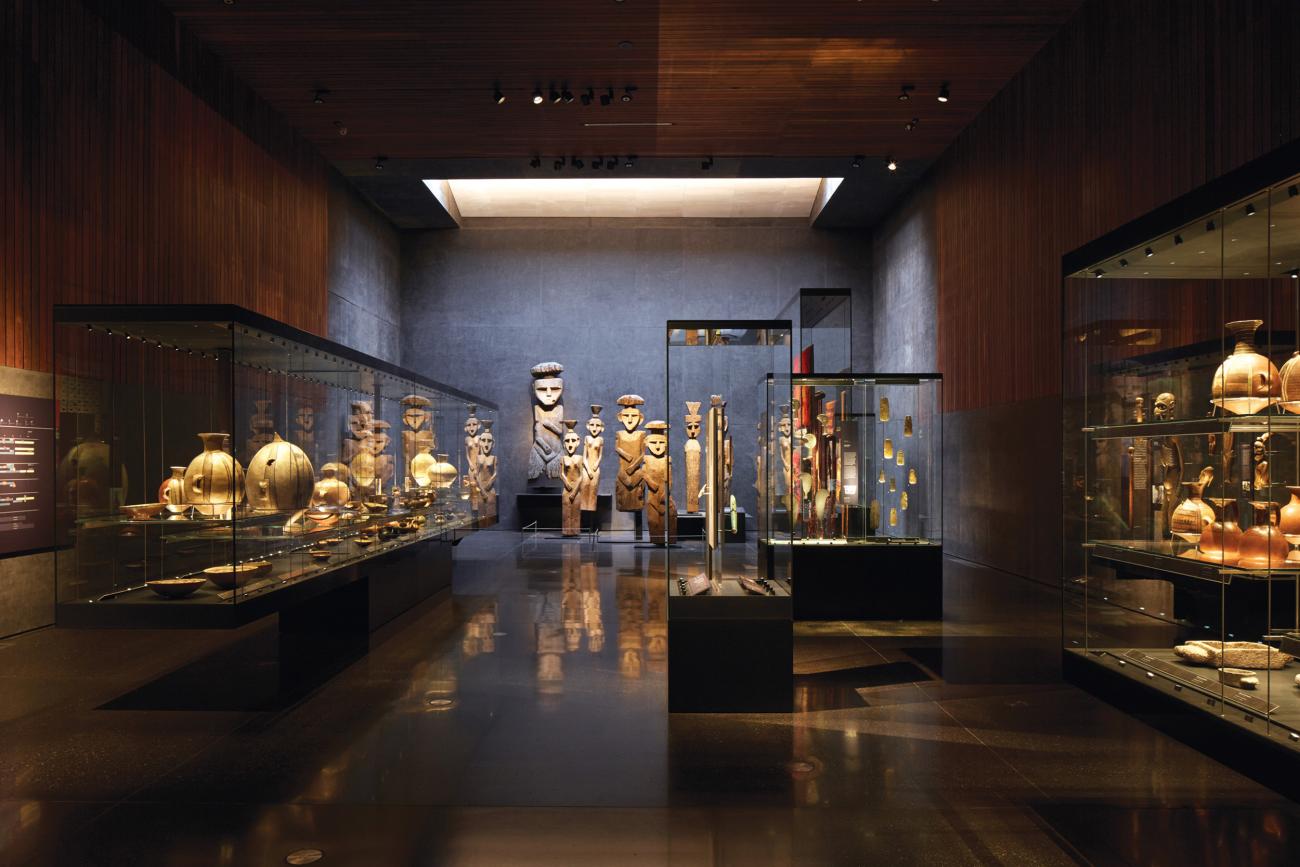
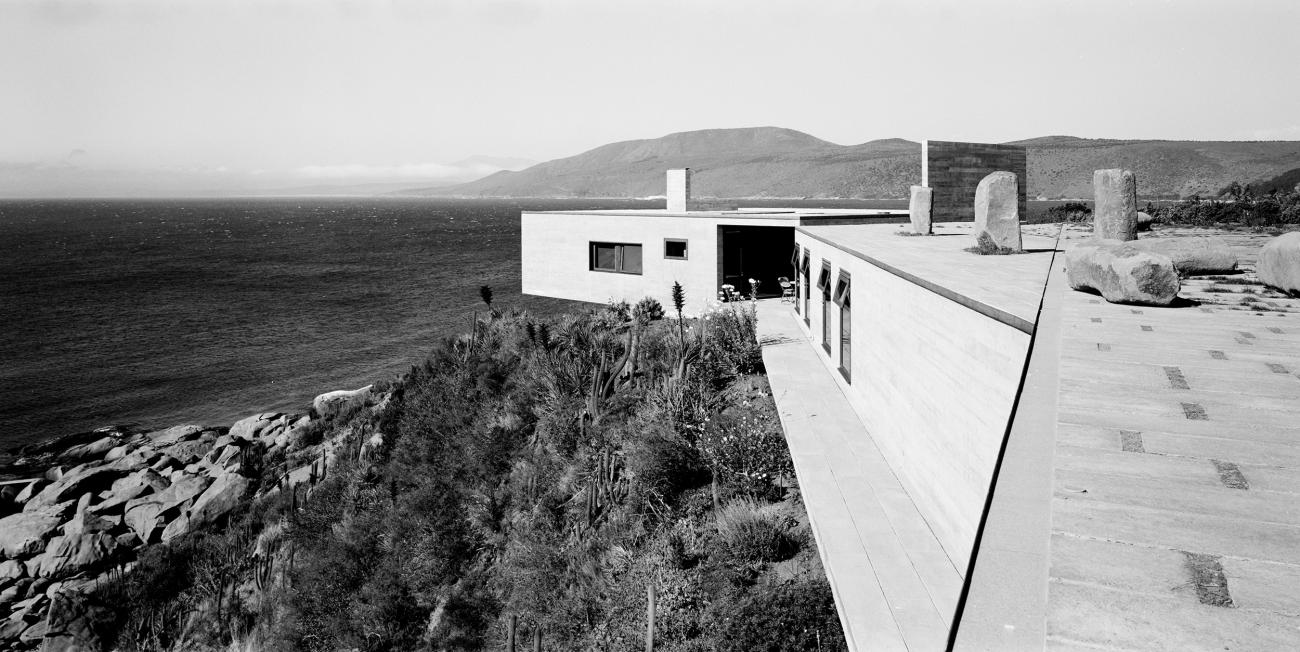
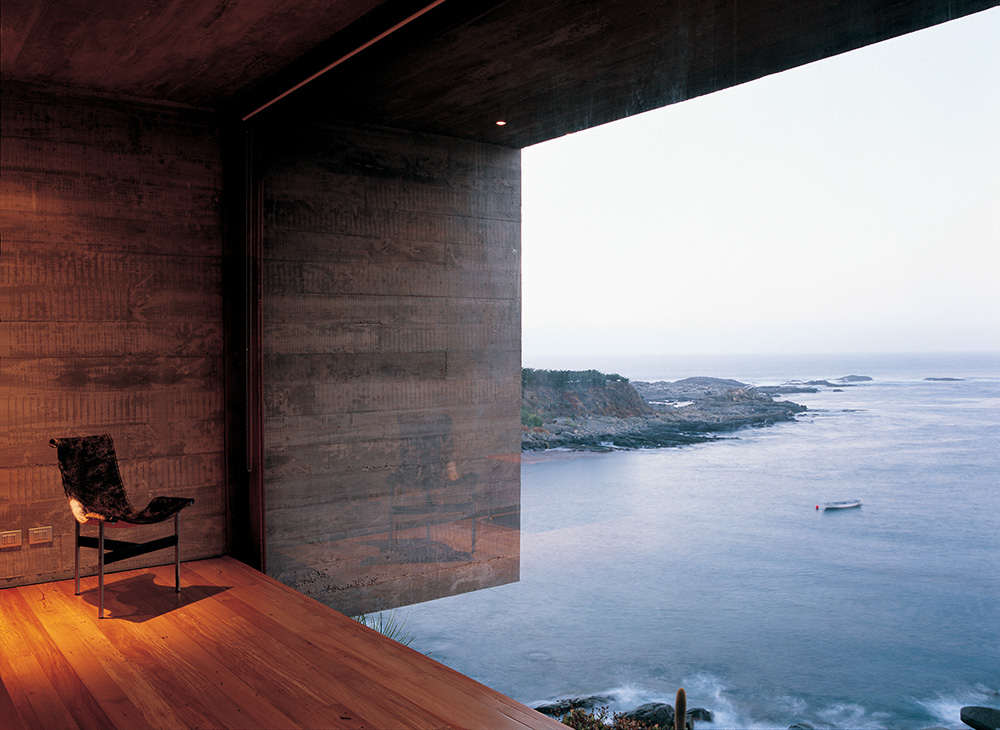
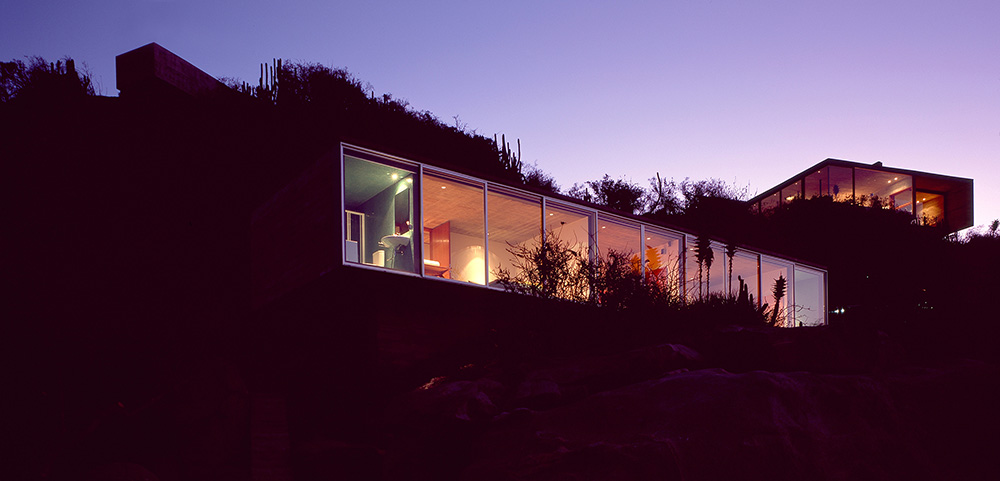
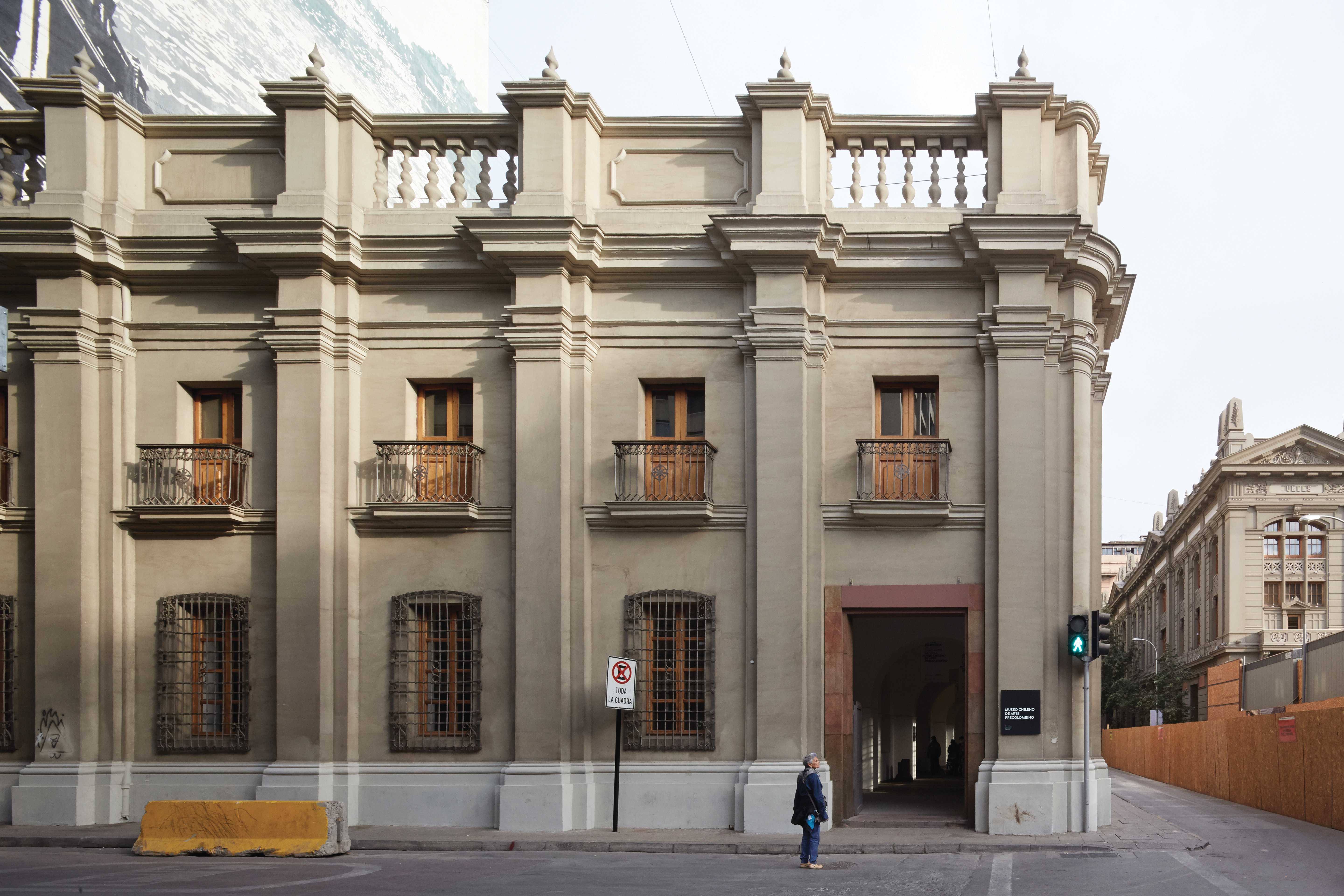
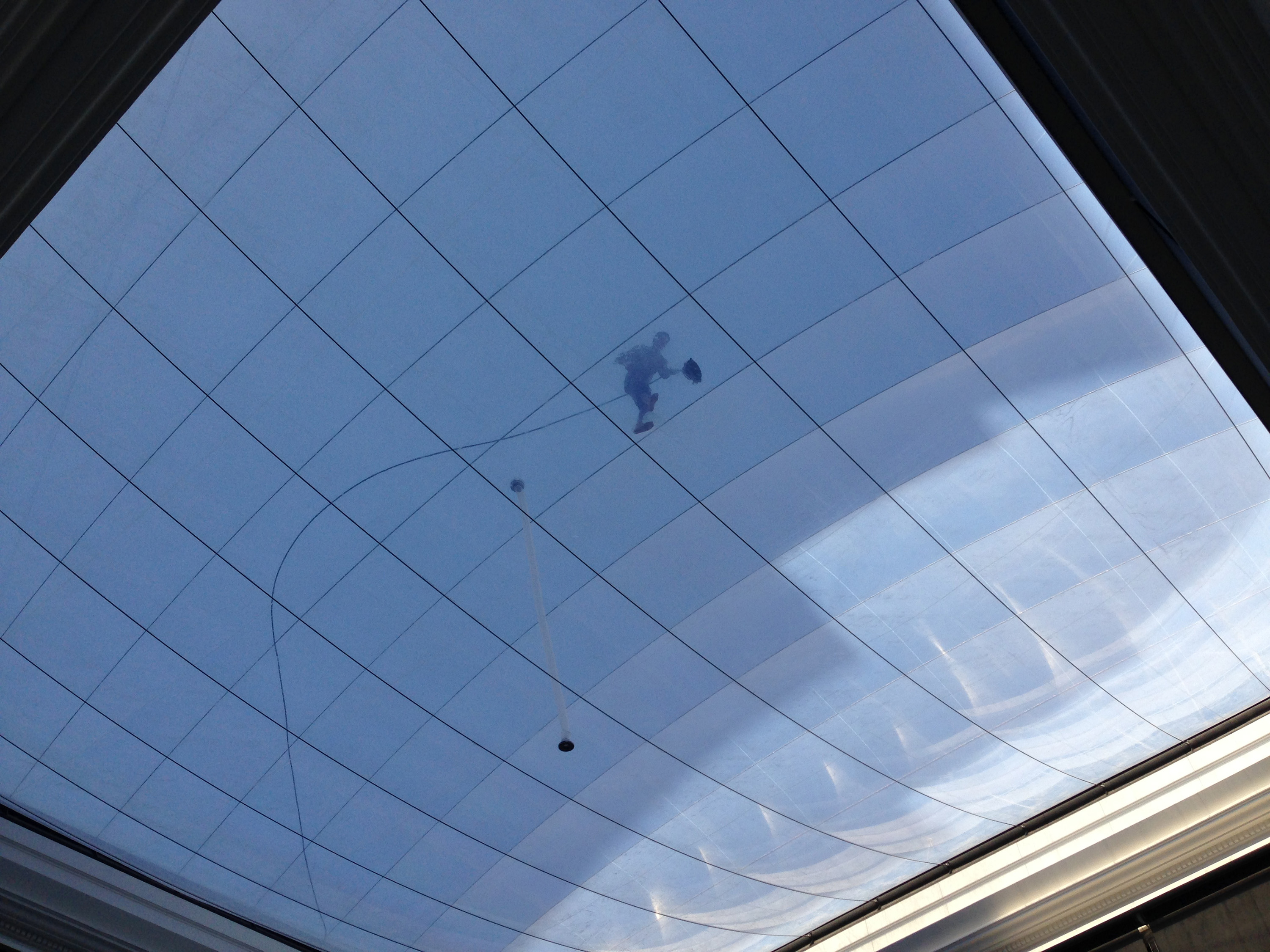
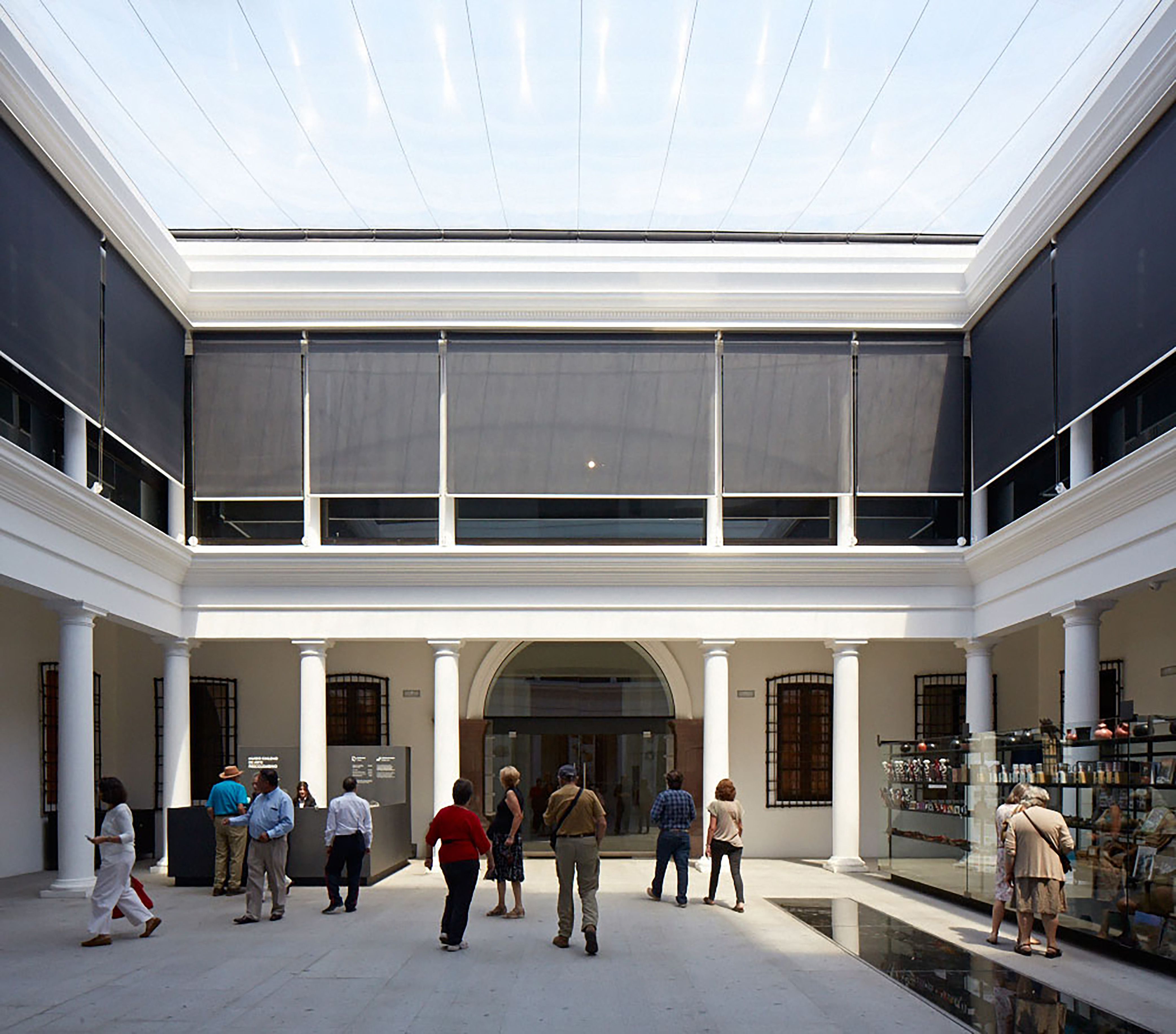
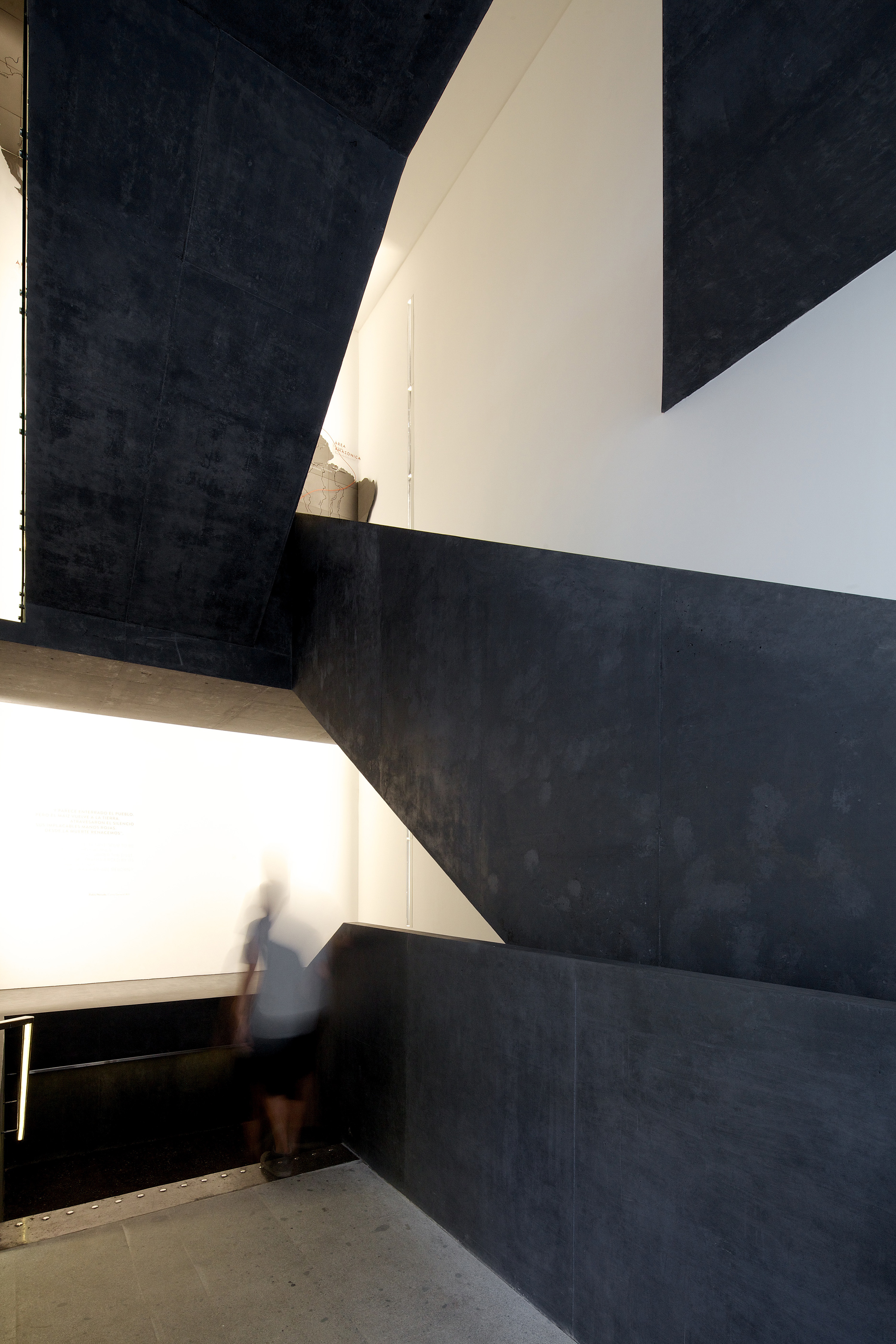
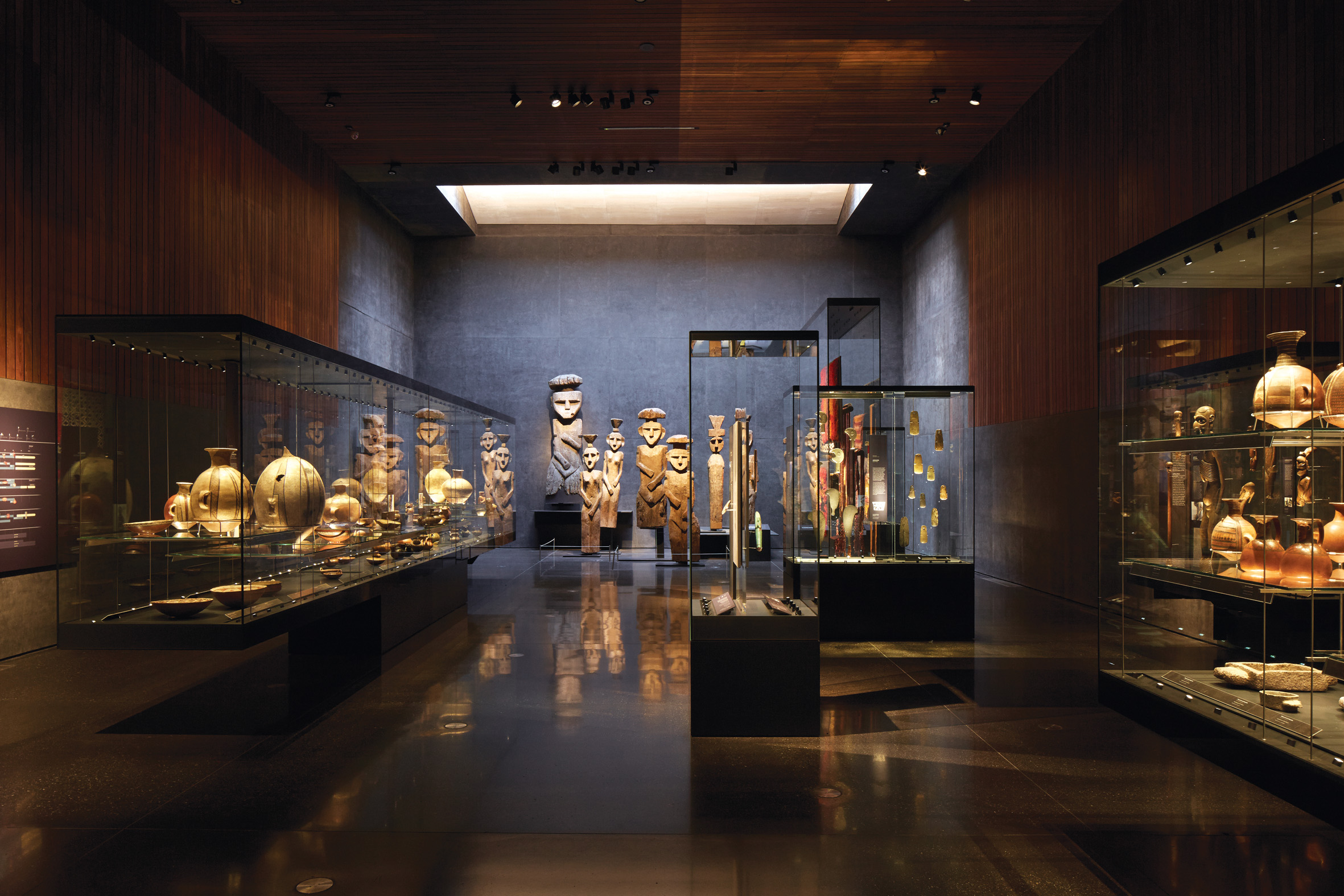
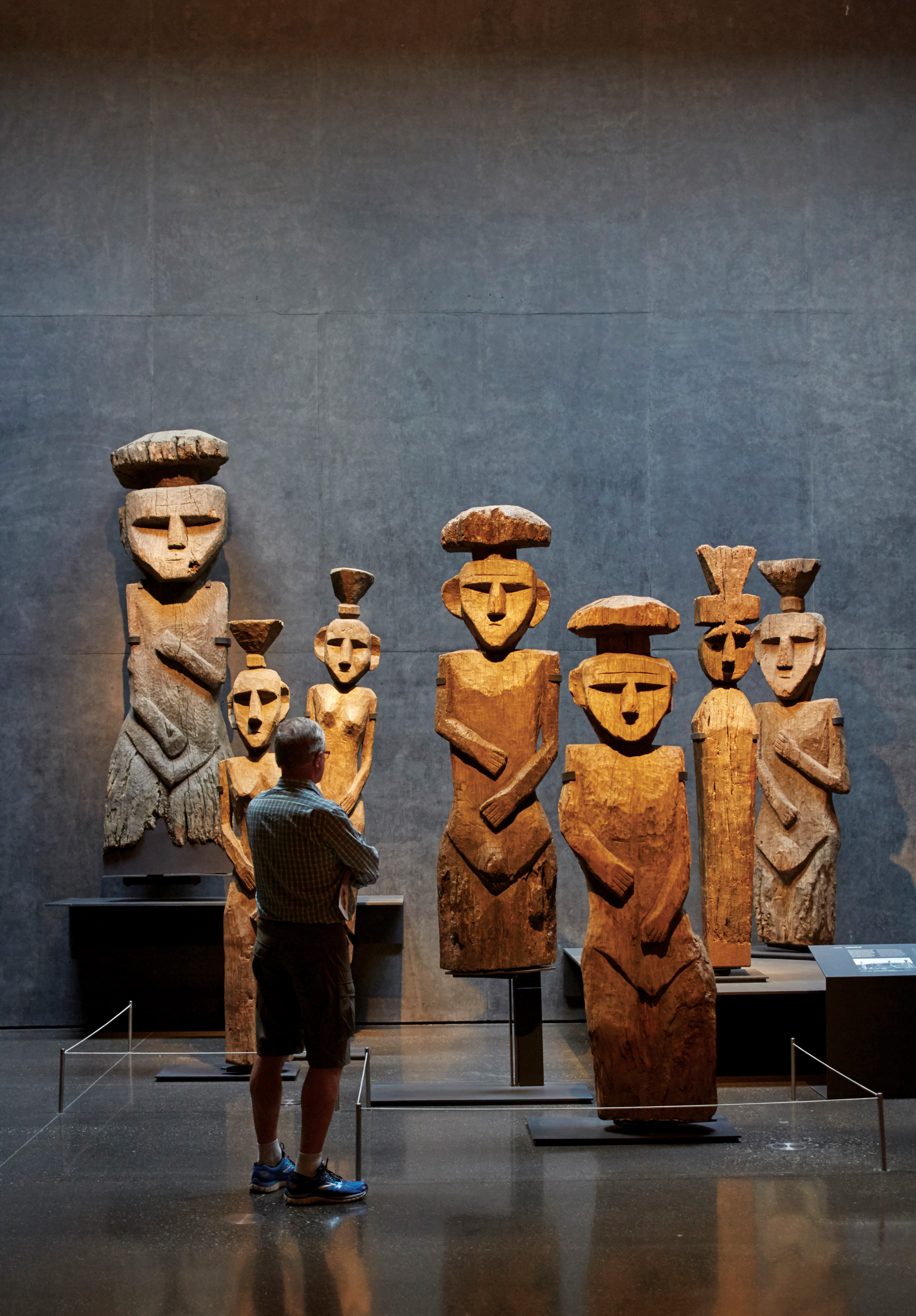
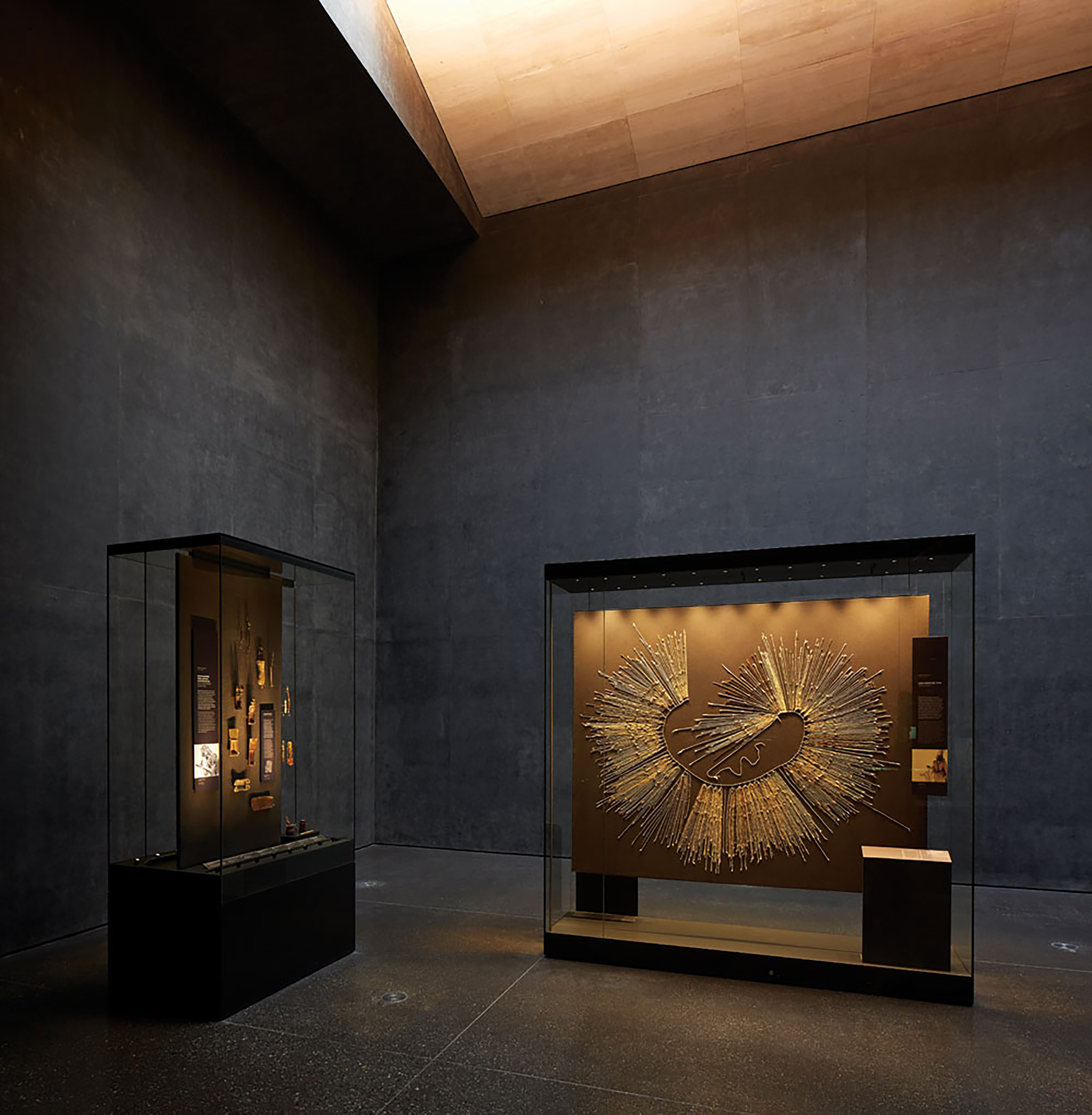
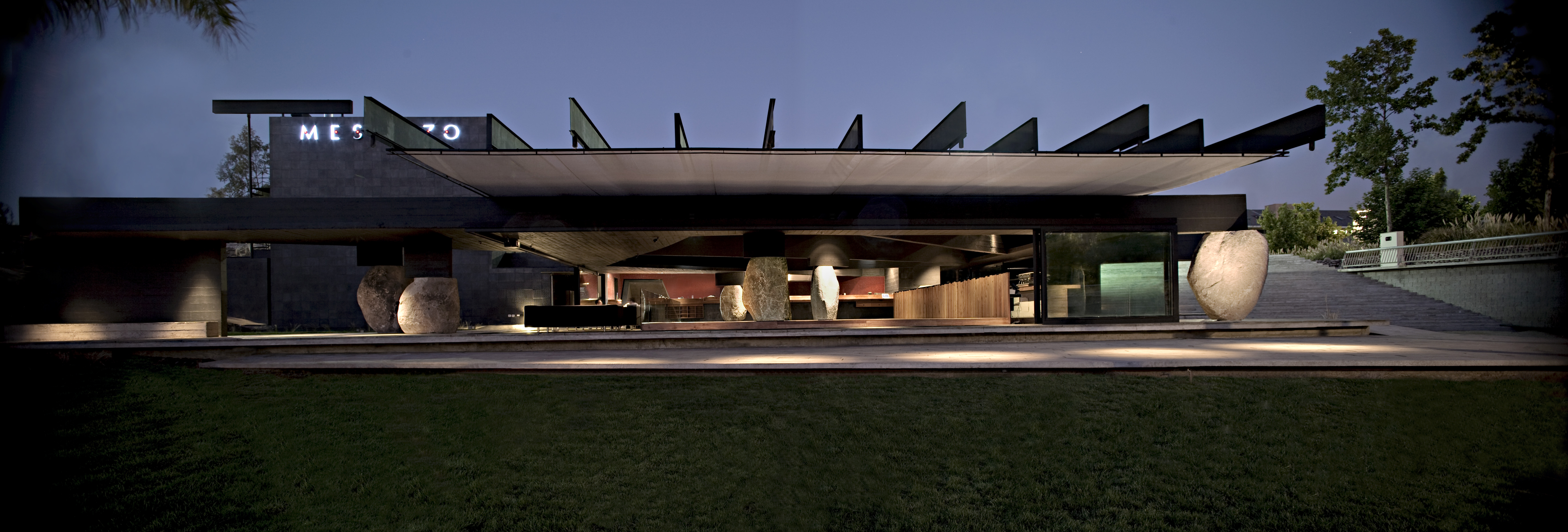
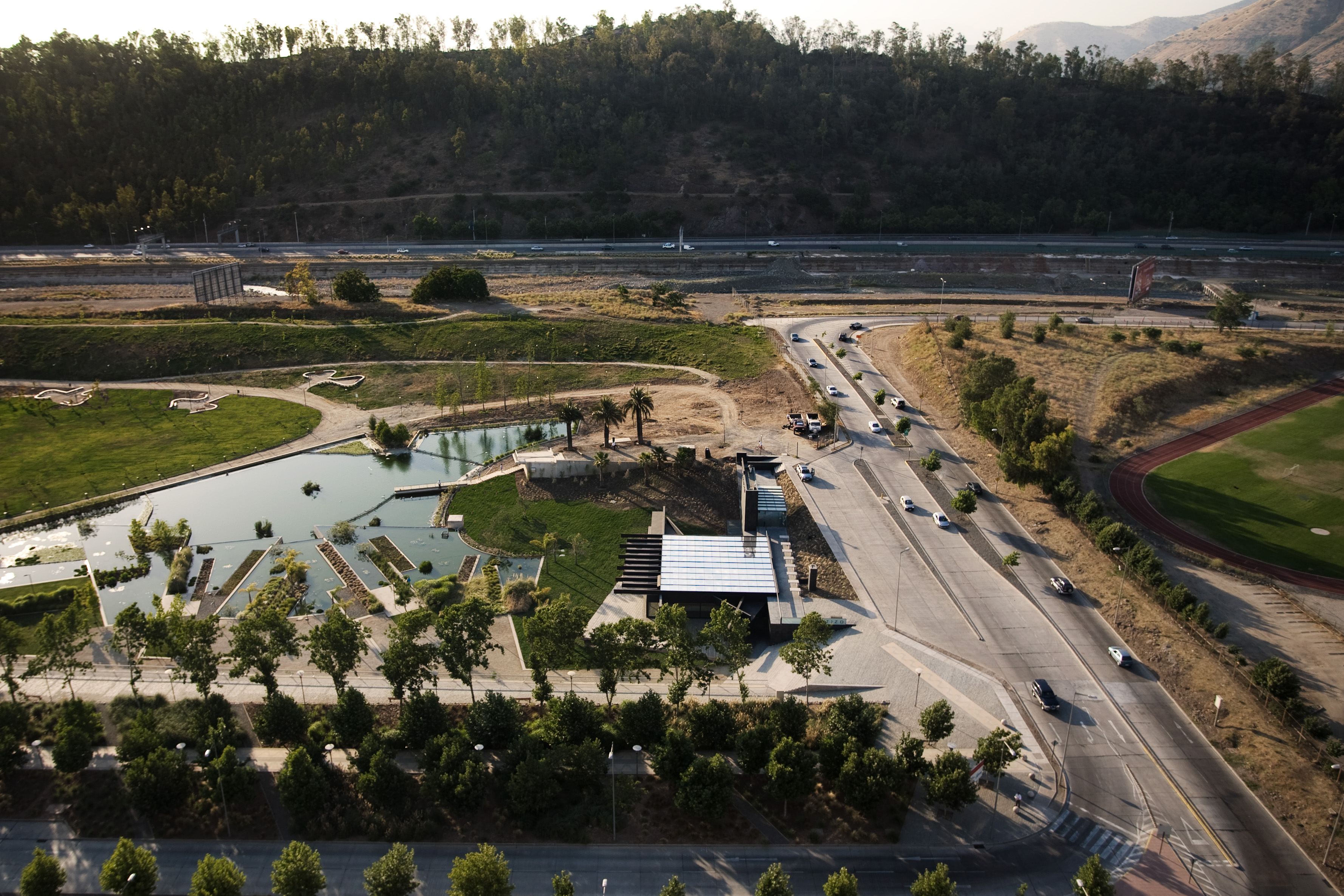
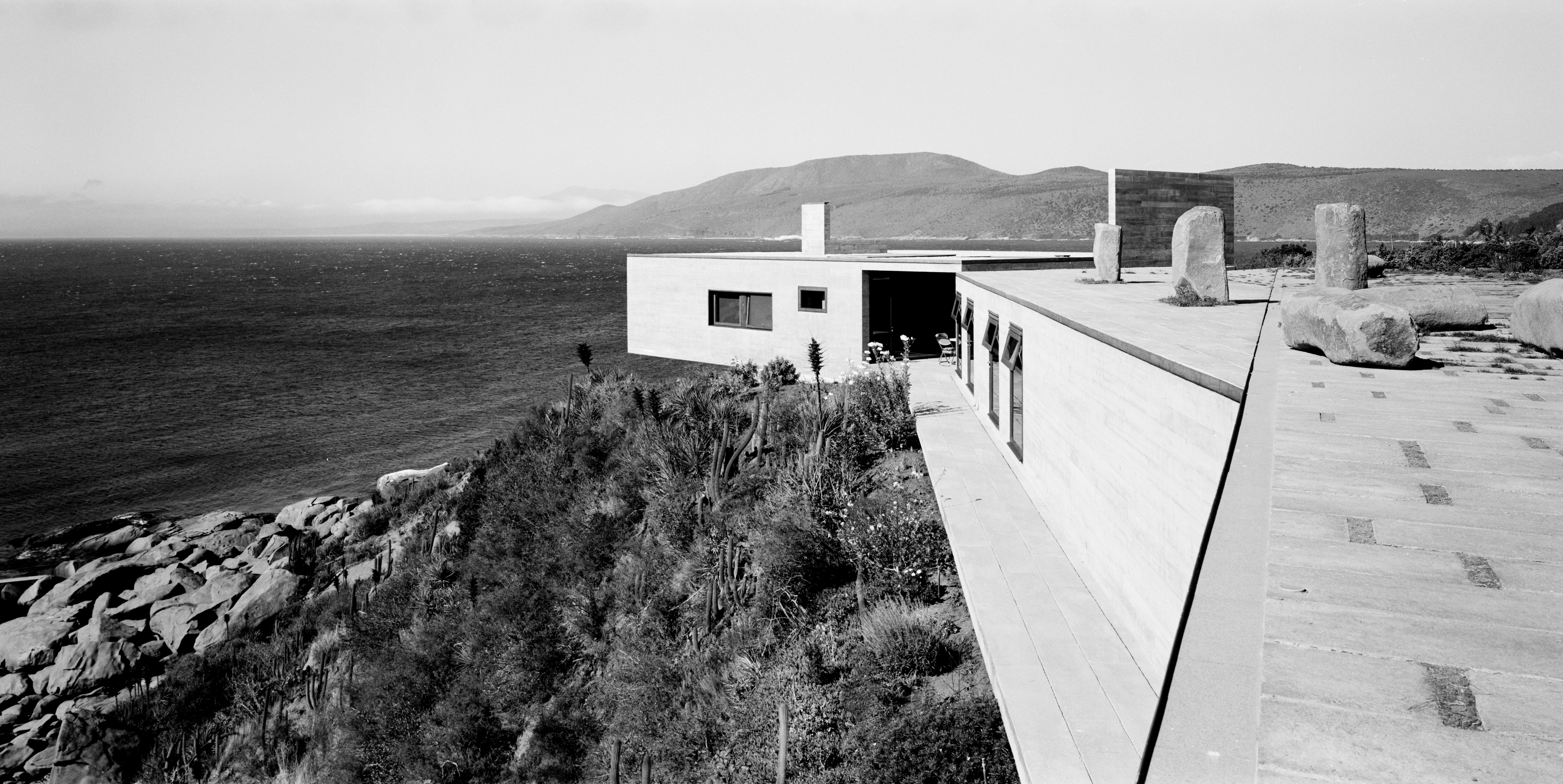
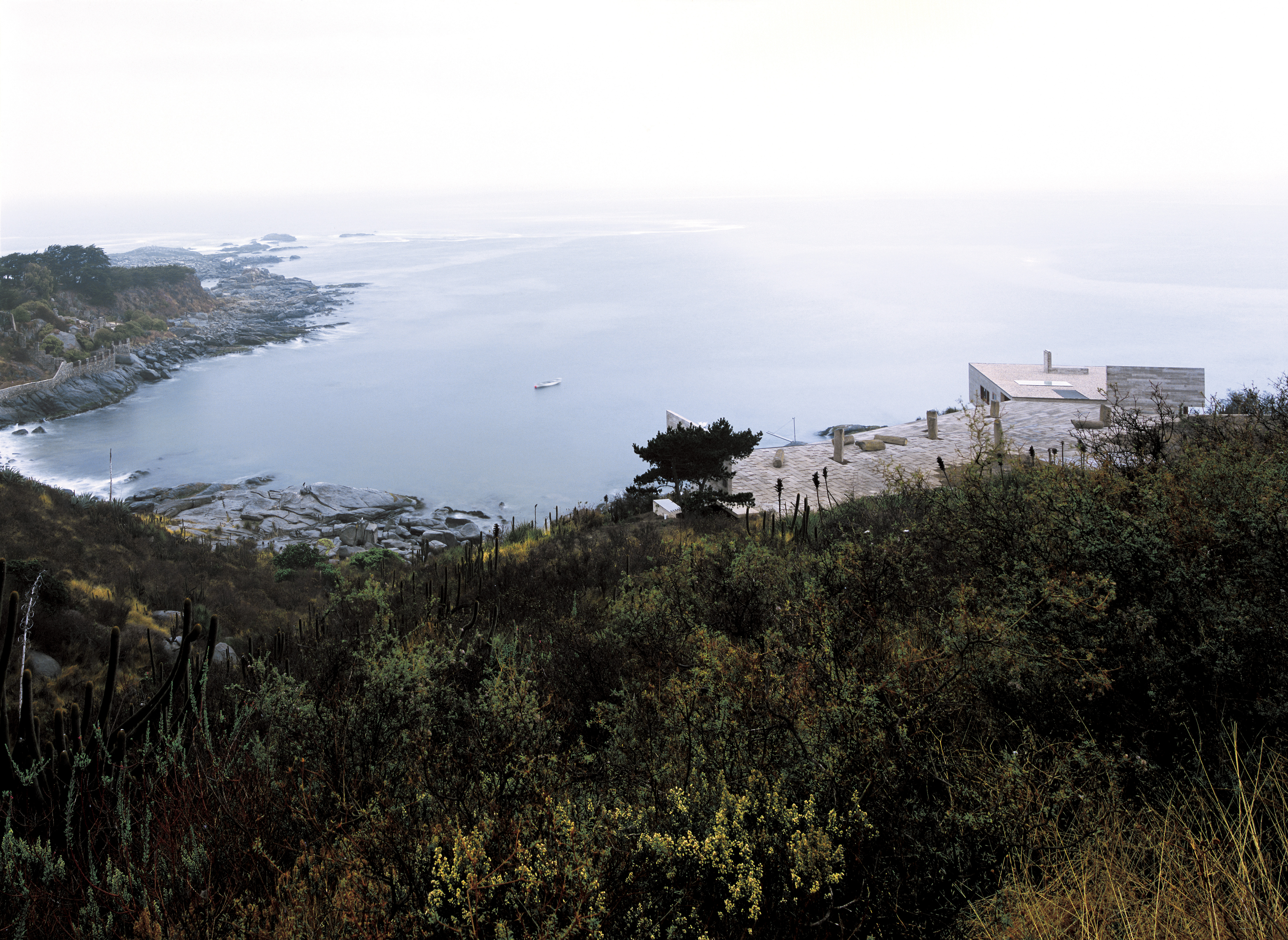
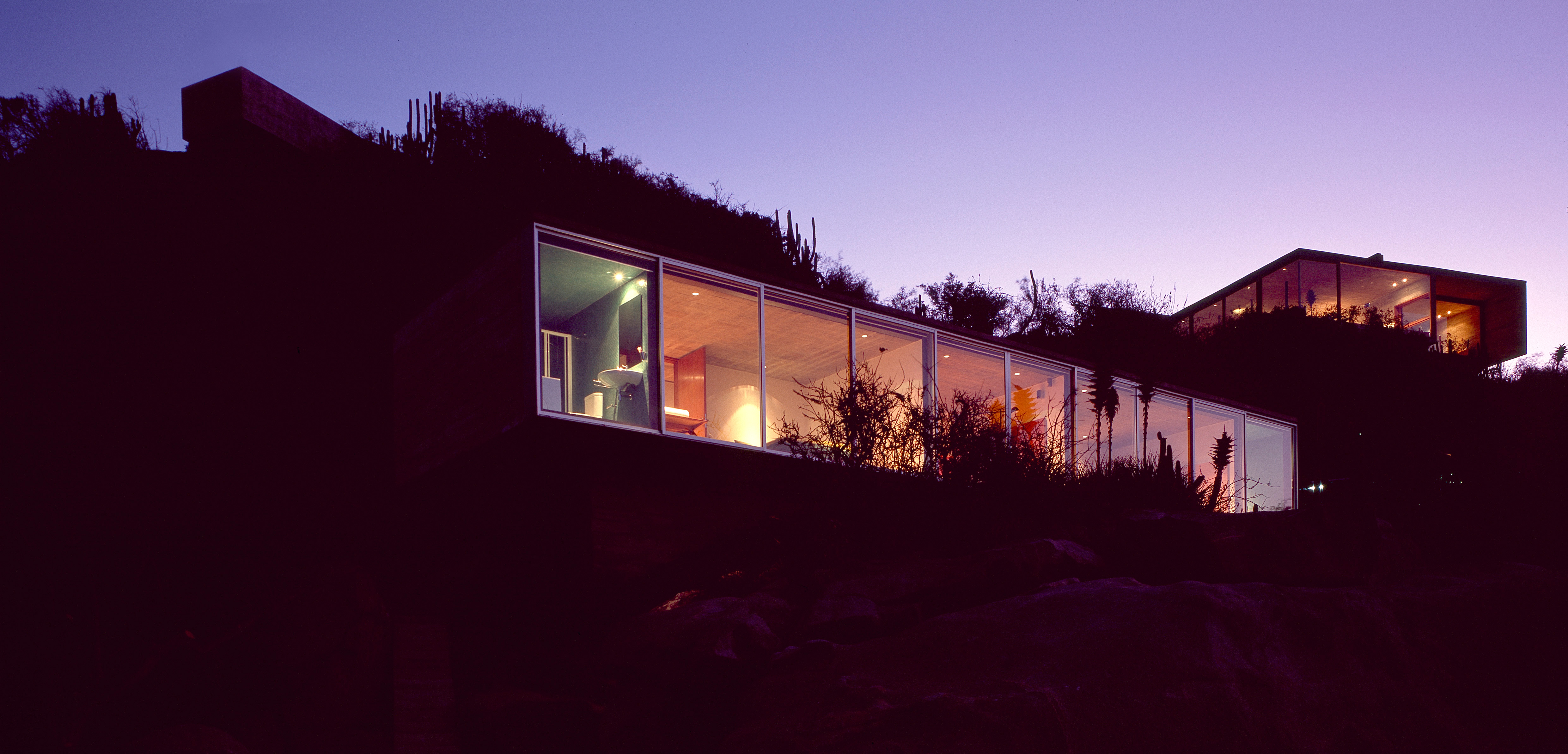
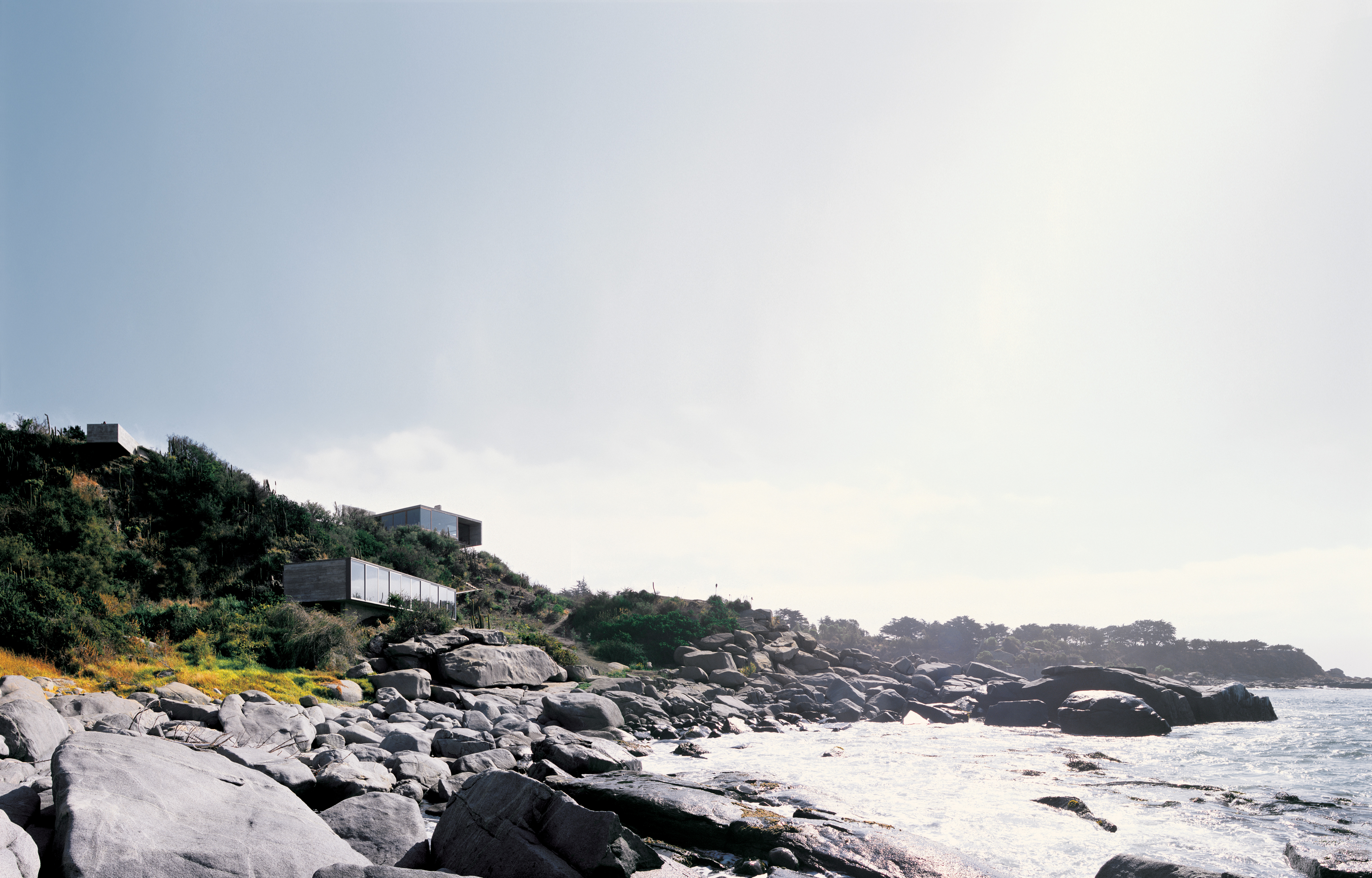
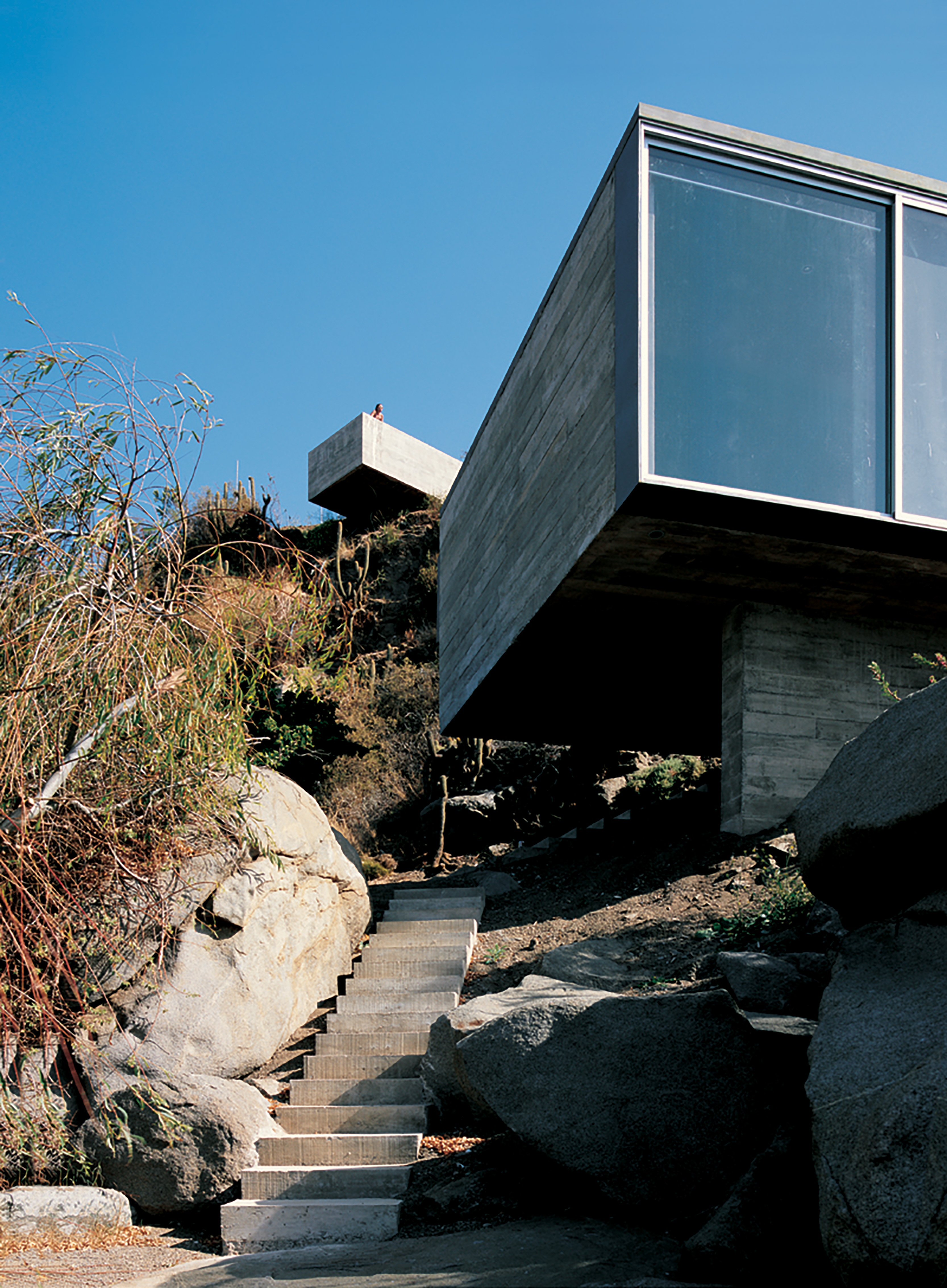
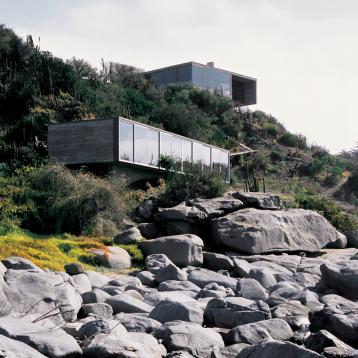
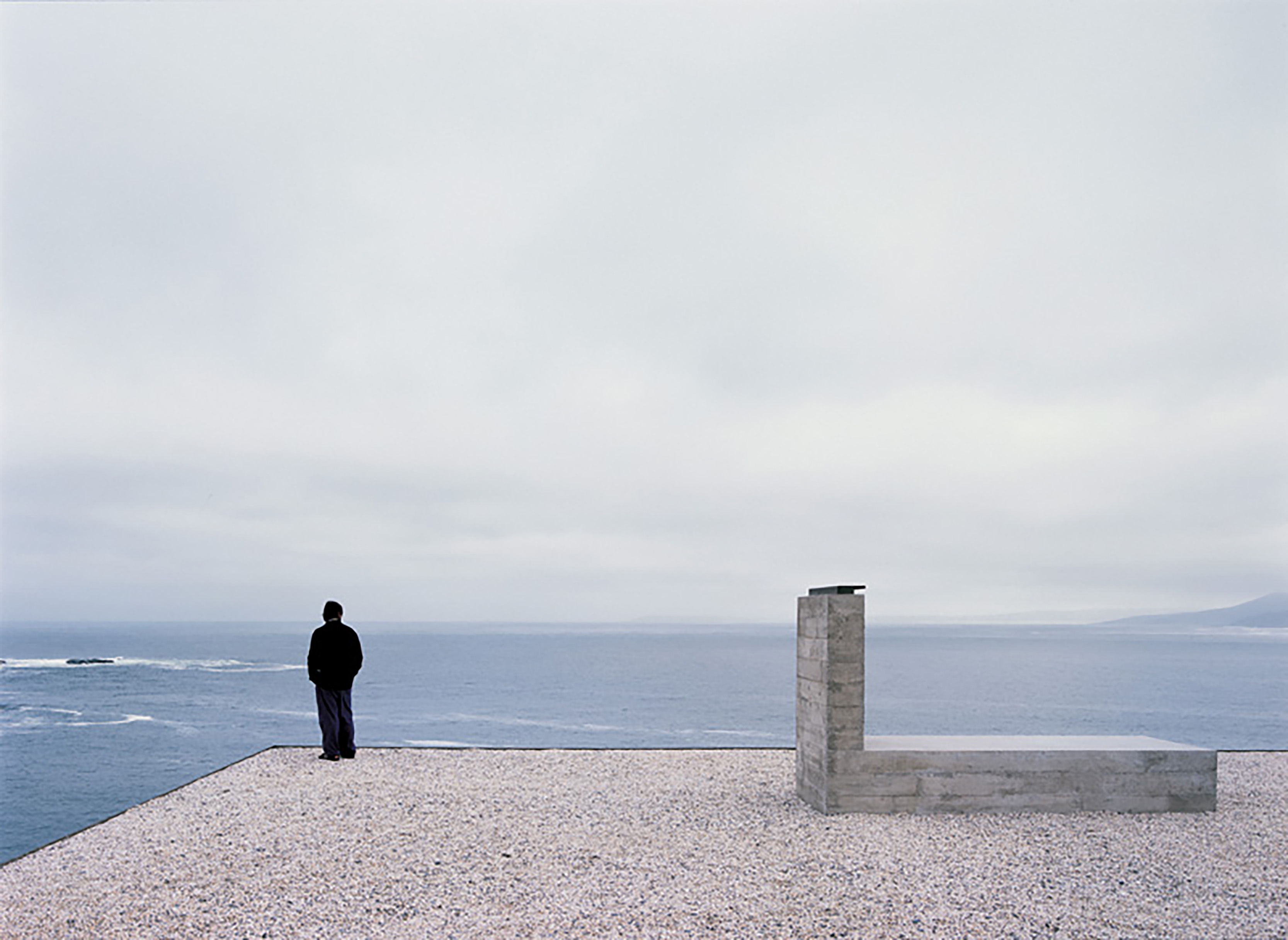
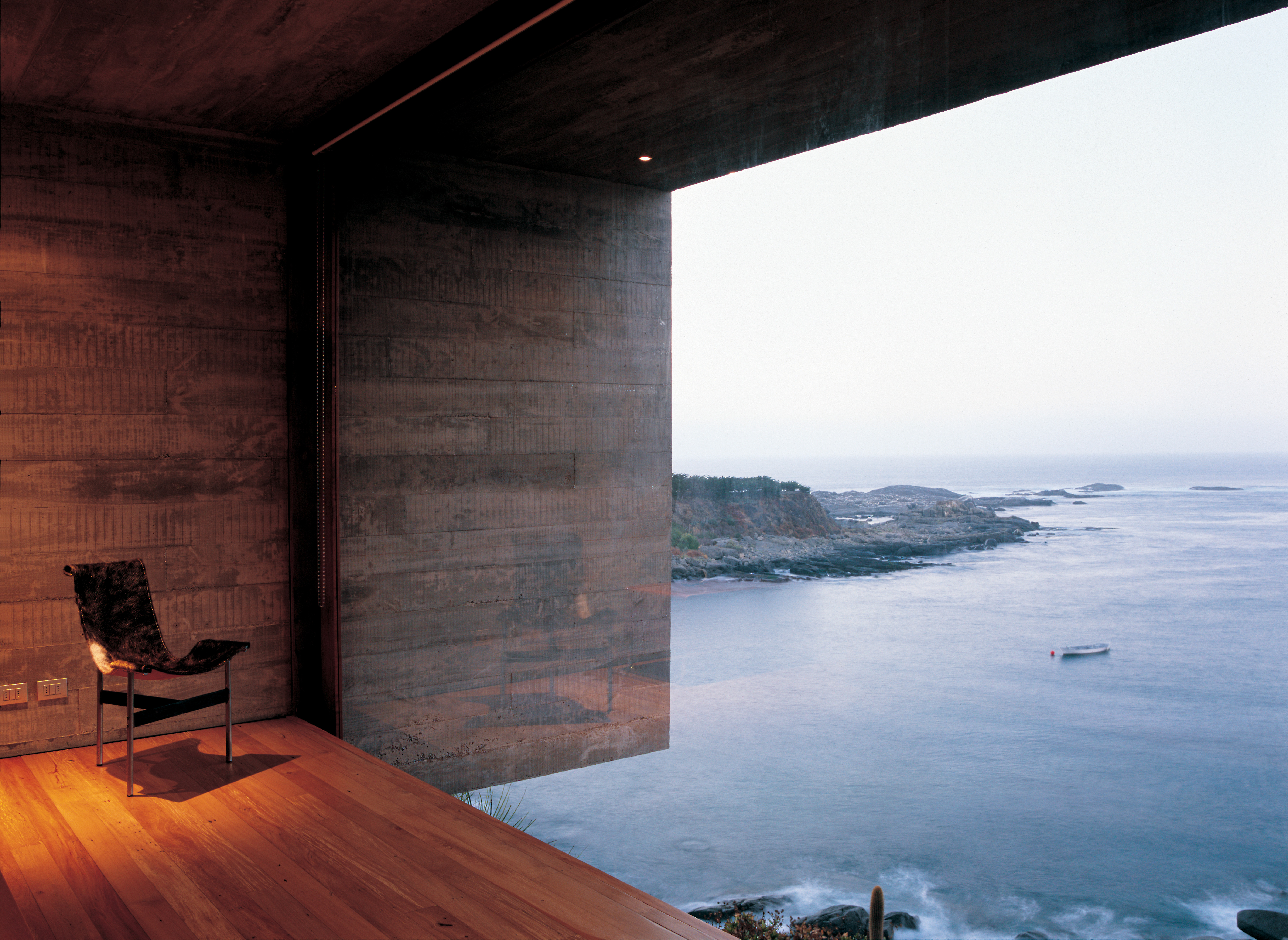
Across his work, site-specific strategies recur in varied forms, allowing each building to emerge from its particular conditions rather than a signature formula. Buildings may be partially embedded in the ground rather than placed upon it as at Restaurant Mestizo (Santiago, Chile 2006), oriented to shelter from prevailing winds or harsh light such as in Pite House (Papudo, Chile, 2005), or shaped through adaptive reuse rather than replacement as with Chile Antes de Chile, the extension of the Chilean Museum of Pre-Columbian Art (Santiago, Chile, 2013).

Image
Pite House
Pite House, photo courtesy of Cristobal Palma

“In every work, he is able to answer with radical originality, making the unobvious obvious. He reverts back to the most irreducible basic foundations of architecture, exploring at the same time, limits that have not yet been touched. Developed in a context of unforgiving circumstances, from the edge of the world, with a practice of just a few collaborators, he is capable of bringing us to the innermost core of the built environment and the human condition,” comments Alejandro Aravena, Chair of the Jury and 2016 Pritzker Prize Laureate.

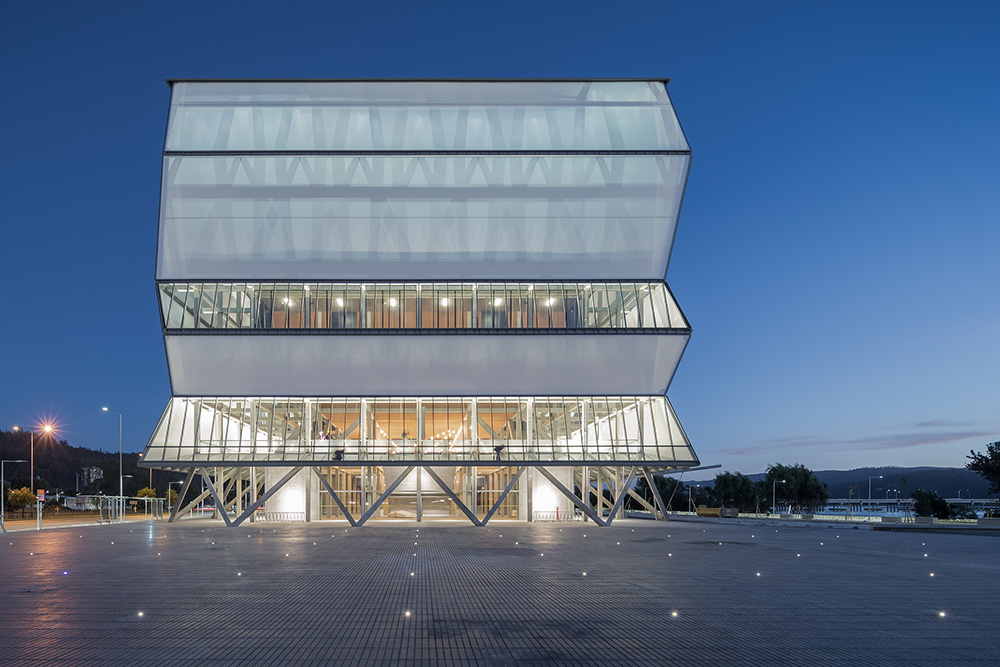
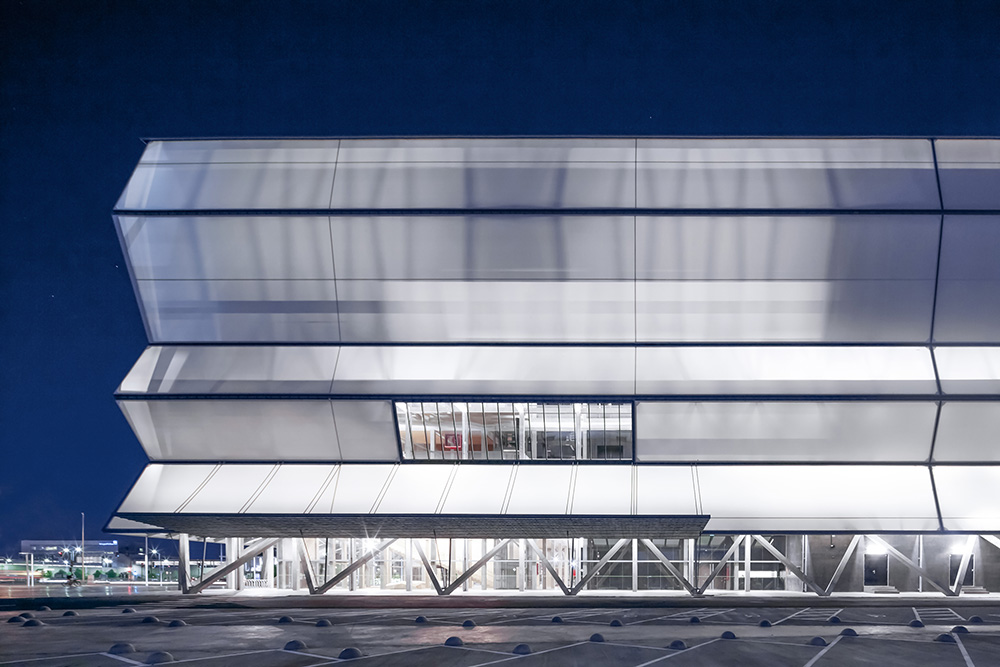
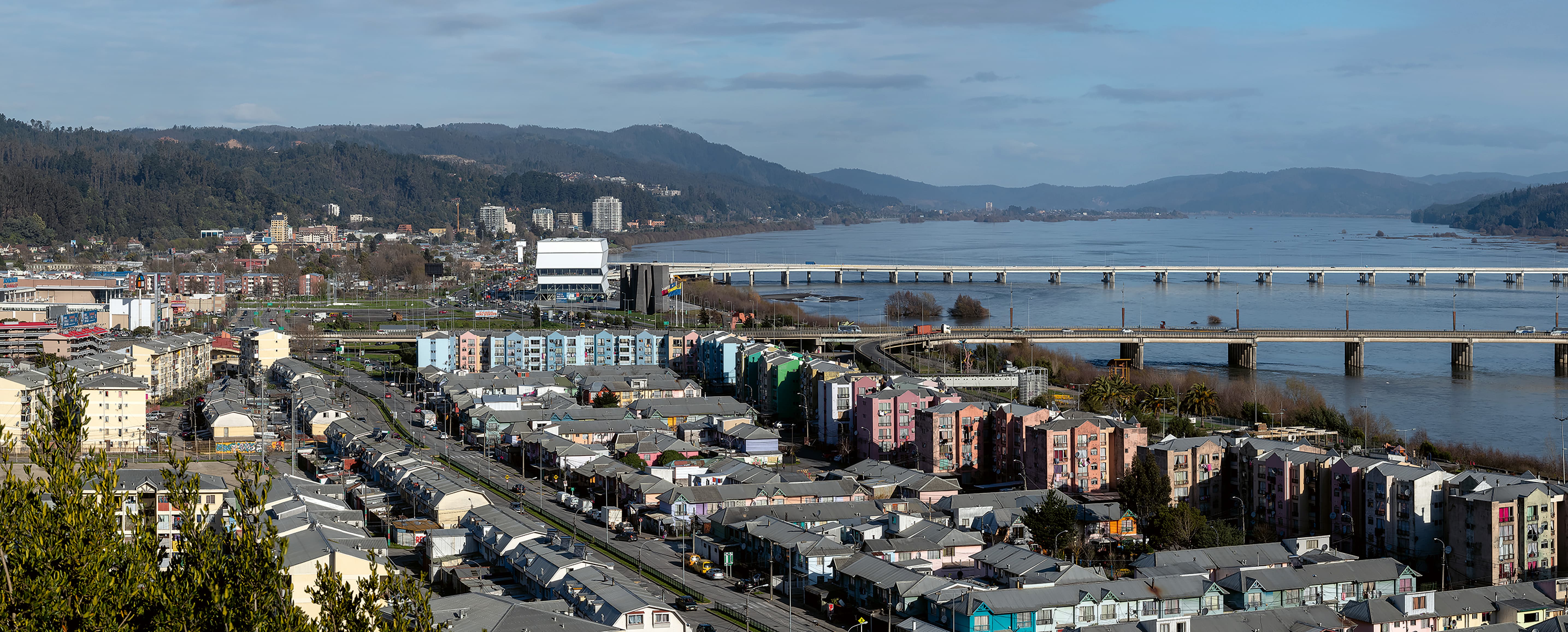
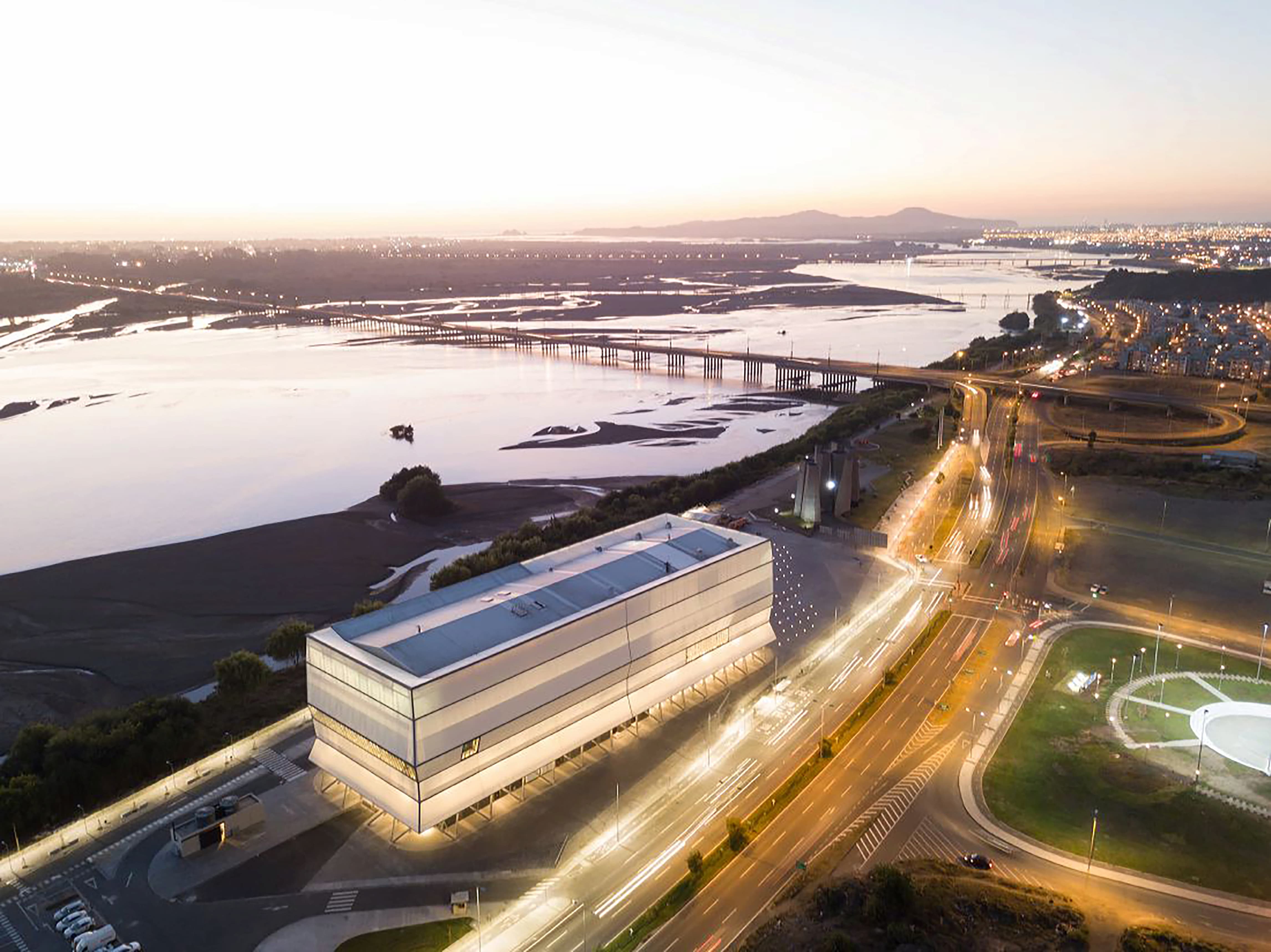
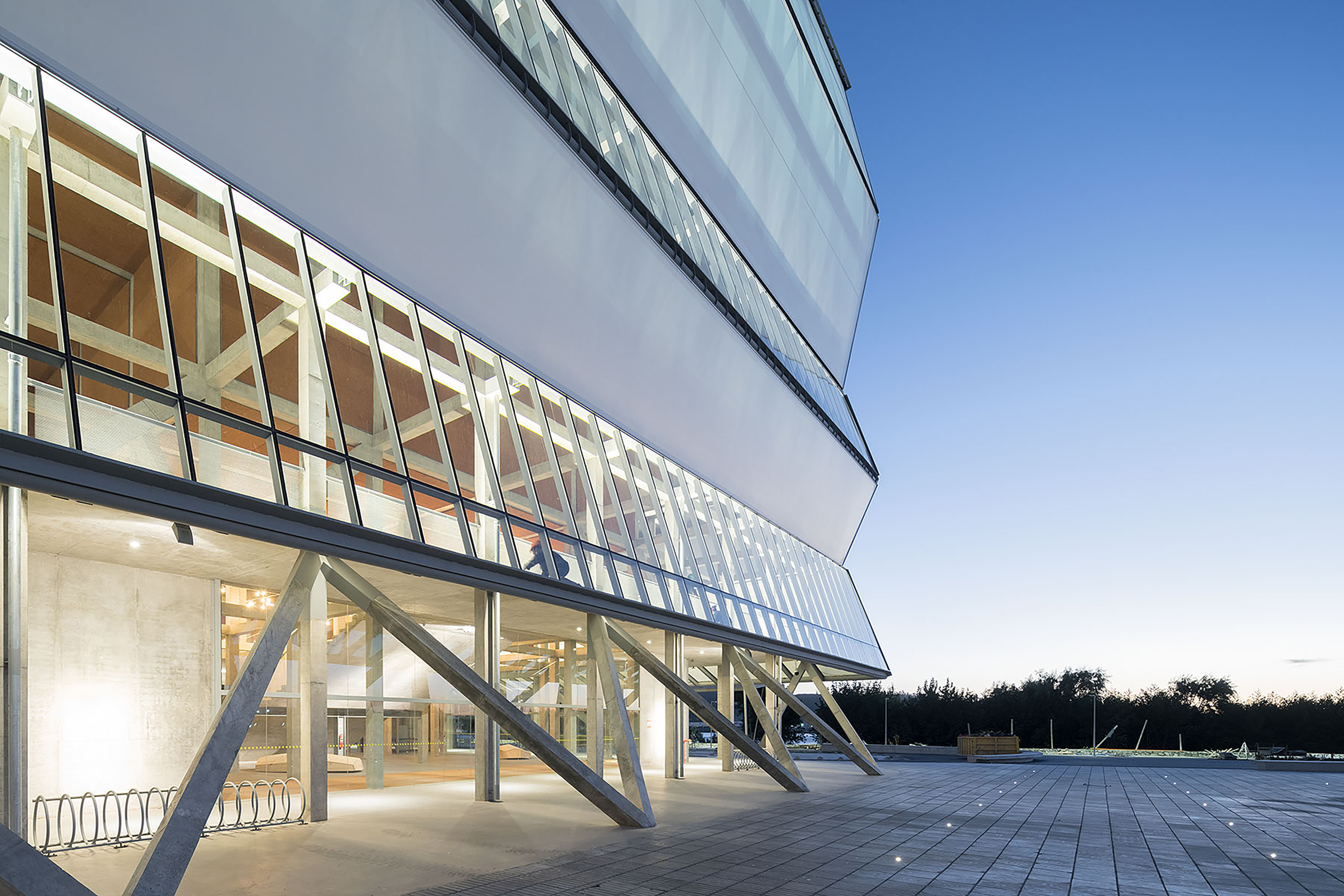
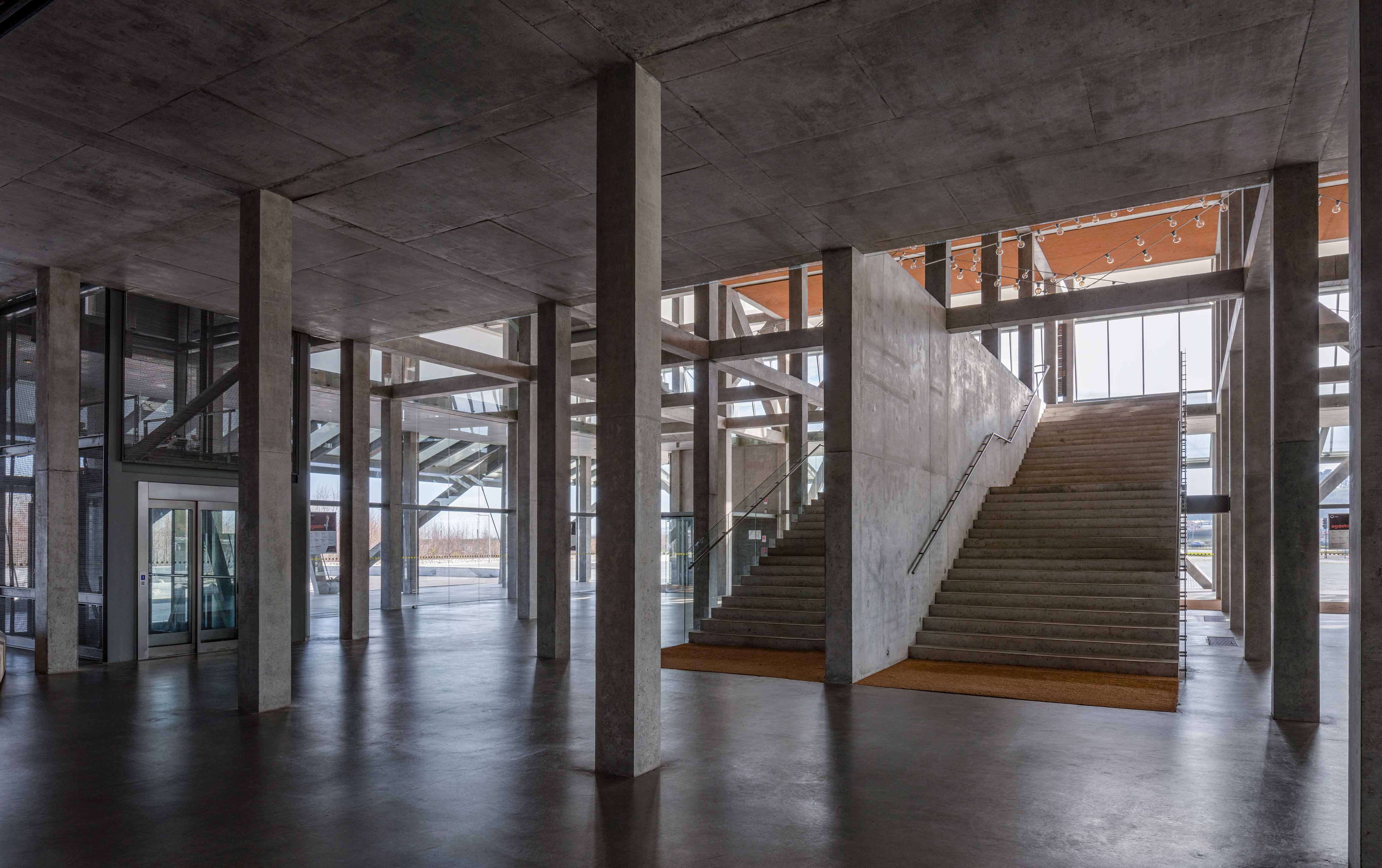
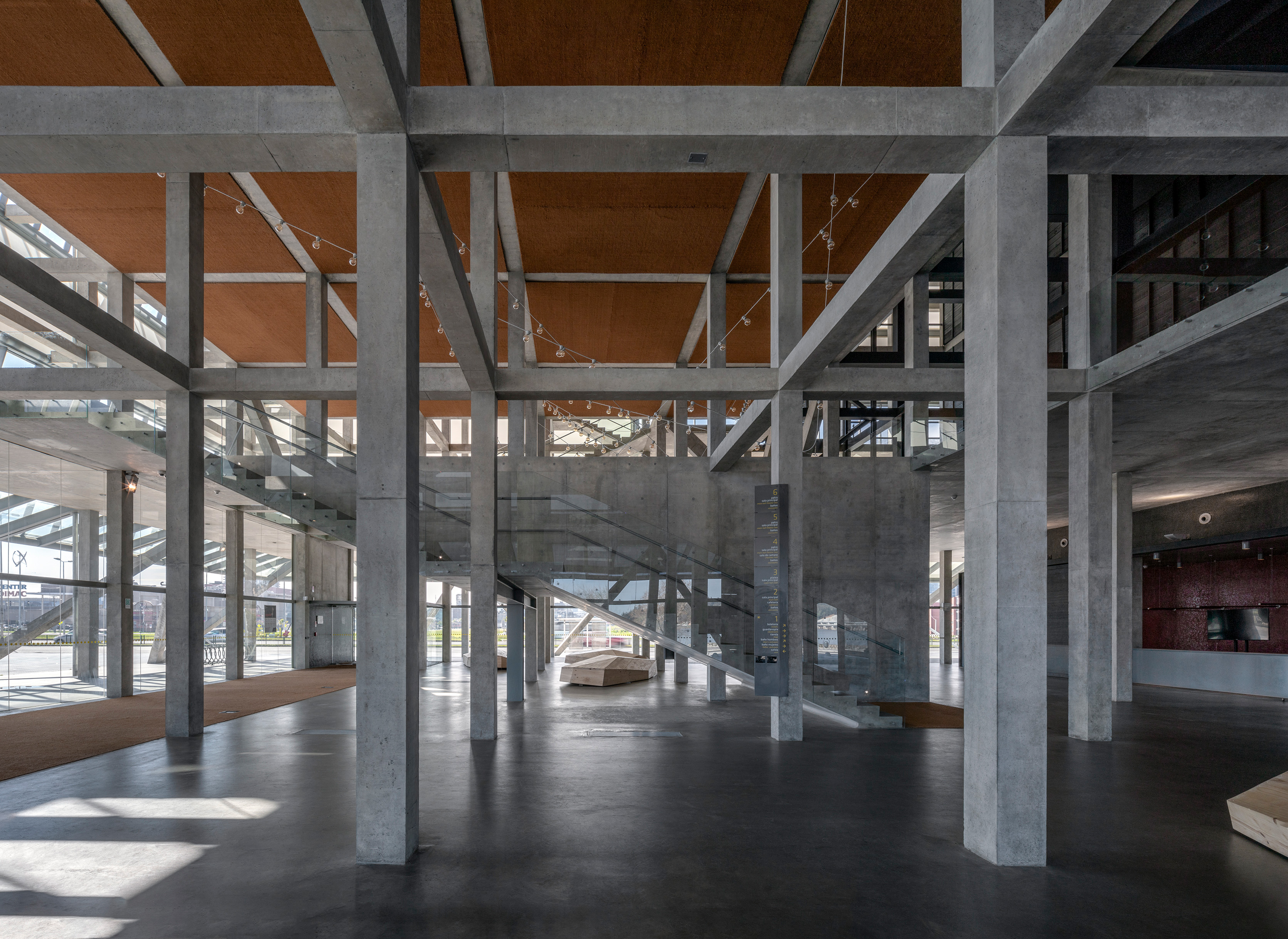
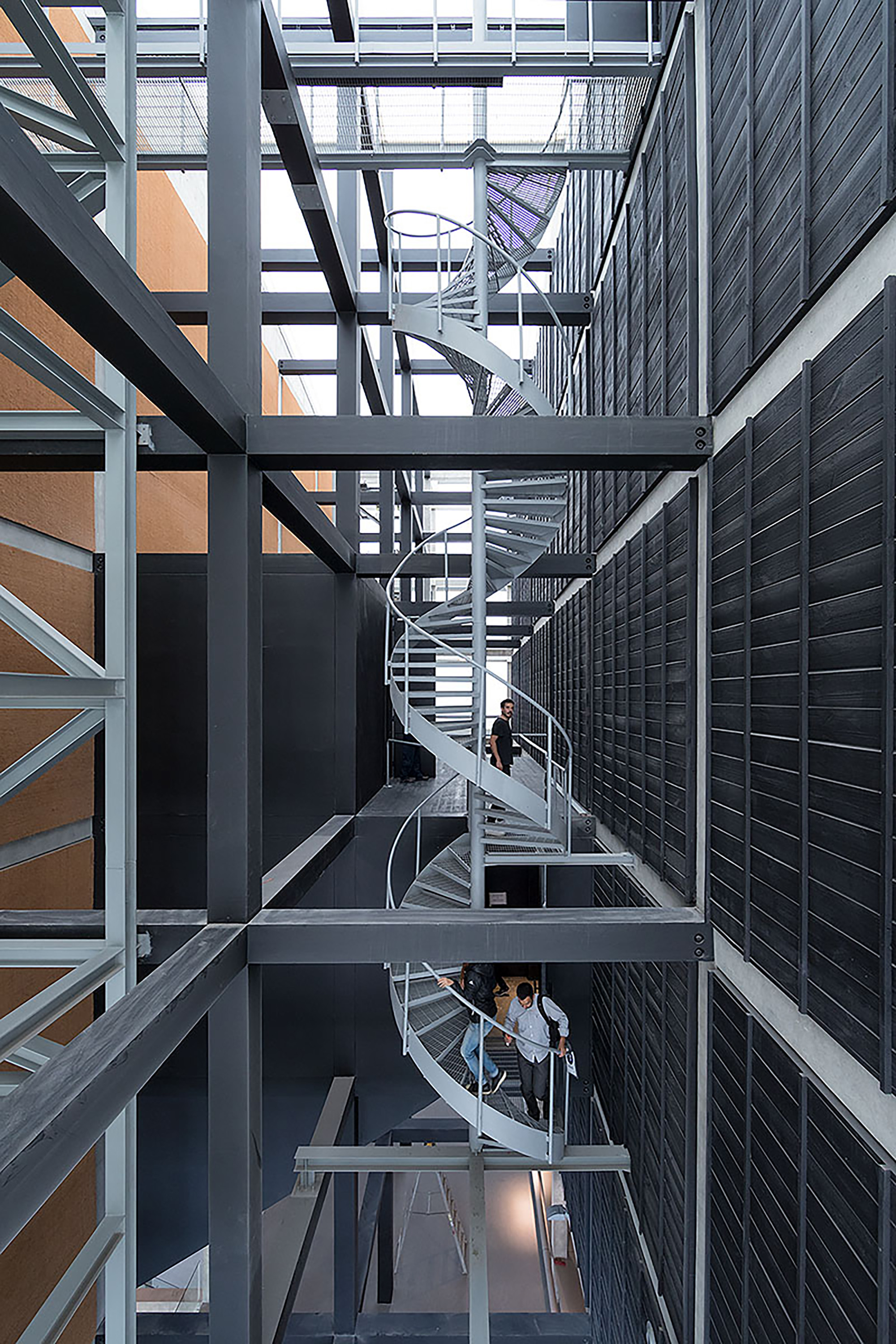
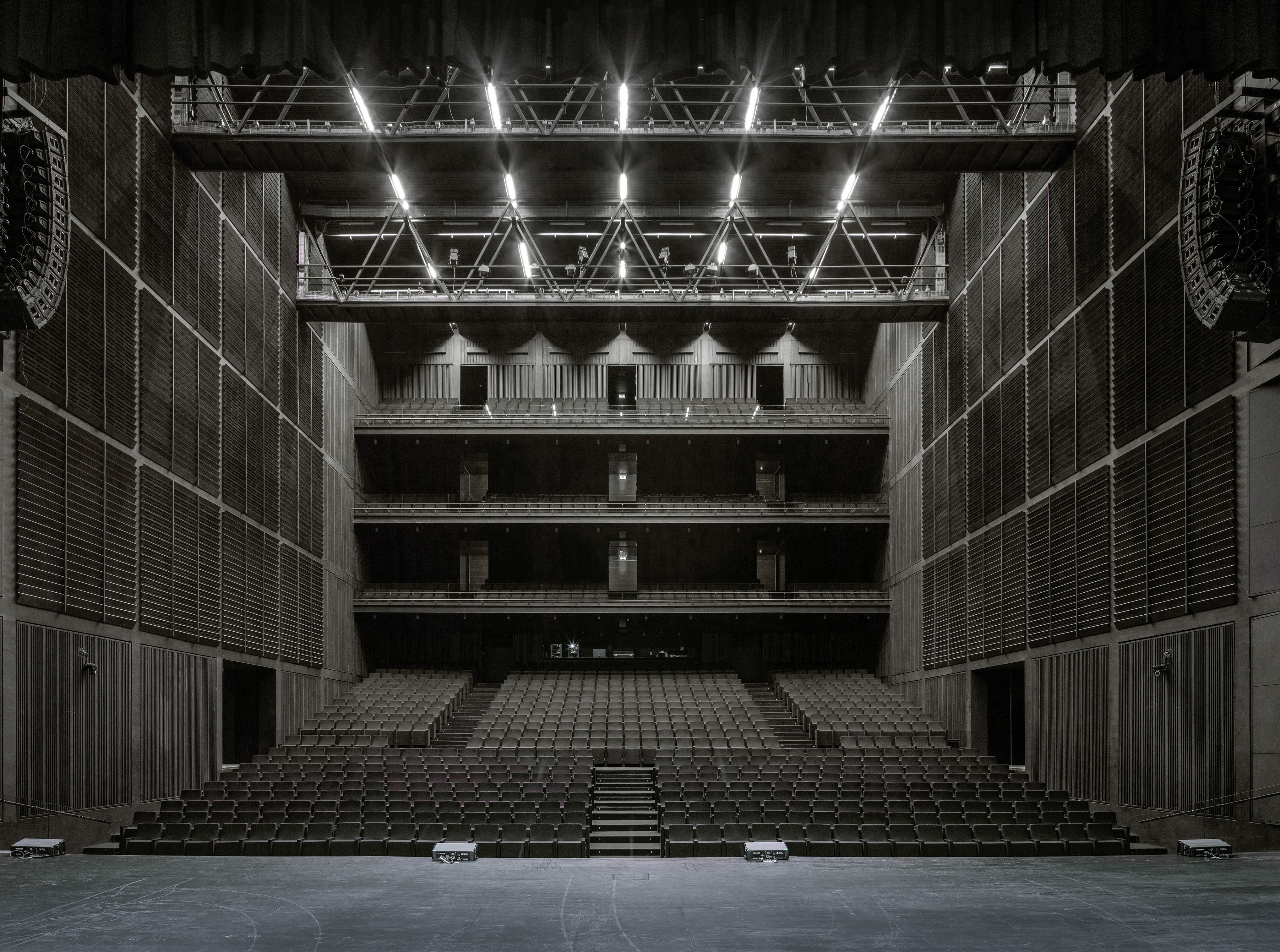
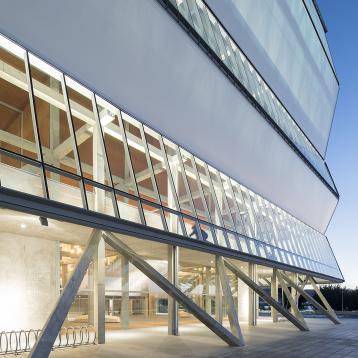
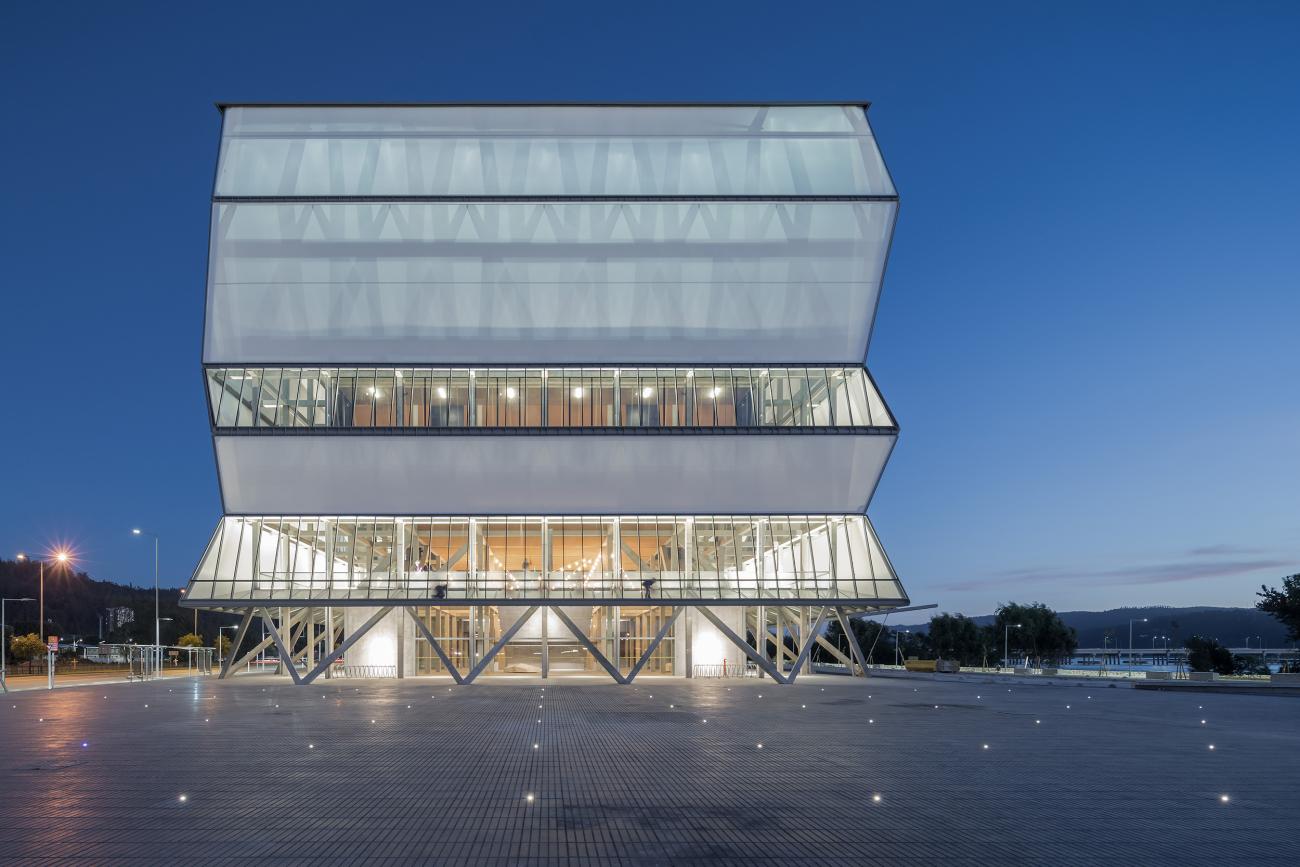
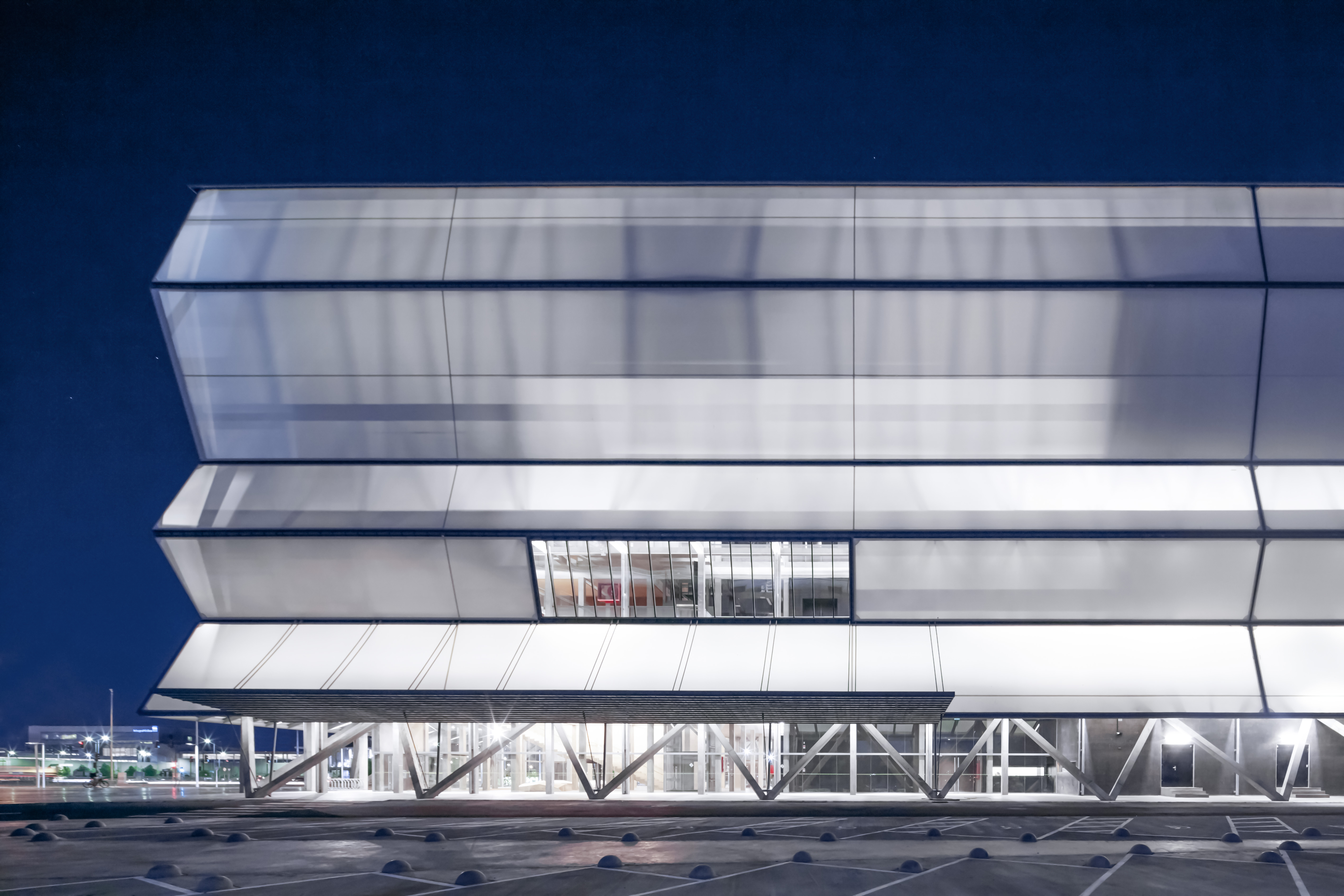
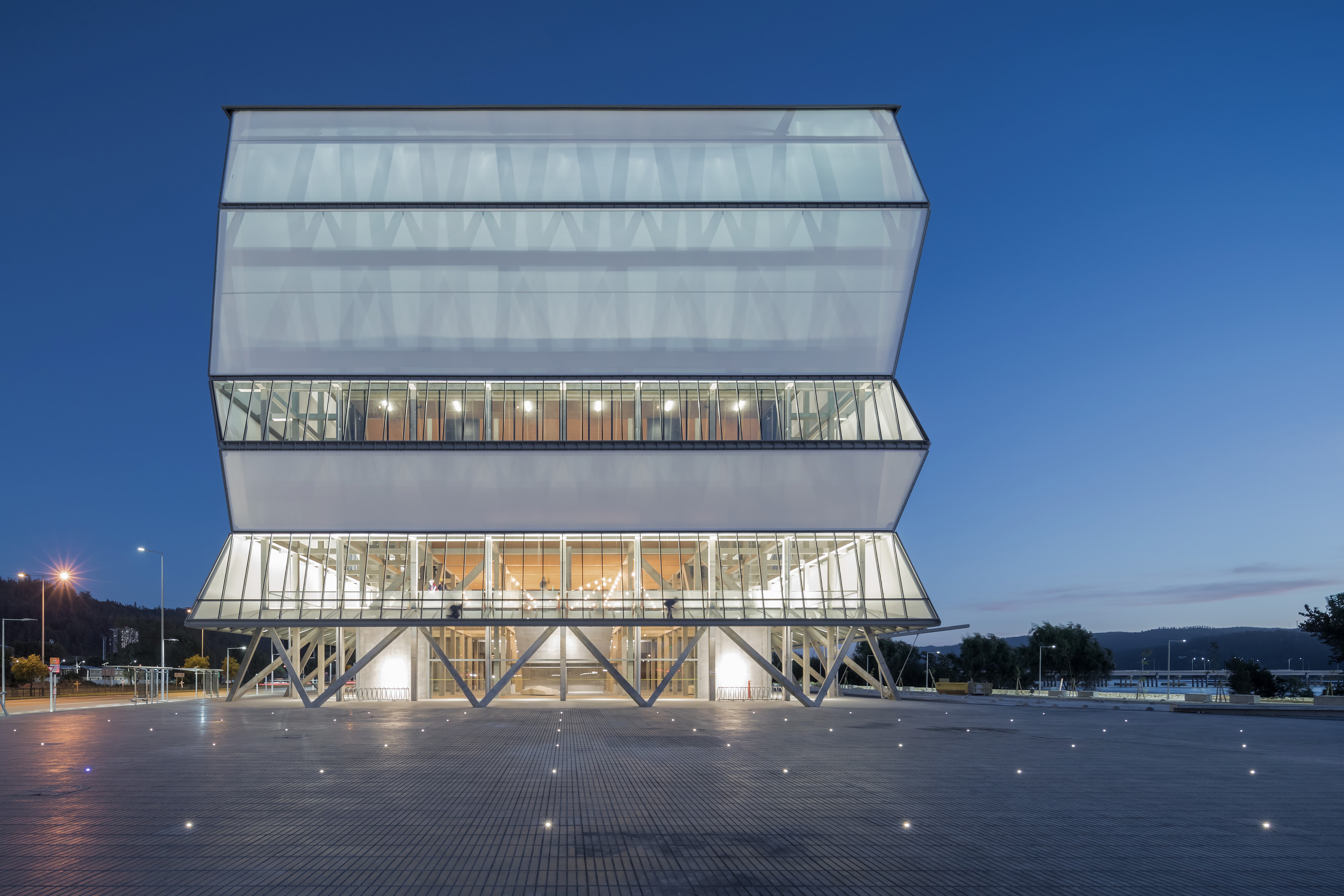
Radić’s architecture reveals its rigor not through formal assertion, but through the discipline of its construction. His work often appears austere or elemental, yet this impression conceals precise engineering and construction. Materials such as concrete, stone, timber, and glass are deployed in deliberate relation to one another to shape weight, light, sound, and enclosure. At the Serpentine Gallery Pavilion (London, United Kingdom, 2014), a translucent fiberglass shell rests on immense load-bearing, locally-sourced stones. Light is filtered rather than displayed and enclosure remains partial, allowing visitors to experience shelter without complete separation from the surrounding park. At Teatro Regional del Biobío (Concepción, Chile, 2018), a carefully engineered semi-translucent envelope modulates light and supports acoustic performance through restraint. Construction becomes a kind of storytelling, where texture and mass carry as much meaning as form.
Image
Teatro Regional del Bio Bio
Teatro Regional del Biobío, photo courtesy of Iwan Baan

As the Jury Citation further notes, “To render the qualities of his architectural work in spoken language is intrinsically difficult, for in his designs he works with dimensions of experience that are immediately palpable but escape verbalization—like the perception of time itself: immediately recognizable, yet conceptually evasive. His buildings are not conceived simply as visual artifacts; rather, they demand embodied presence.”

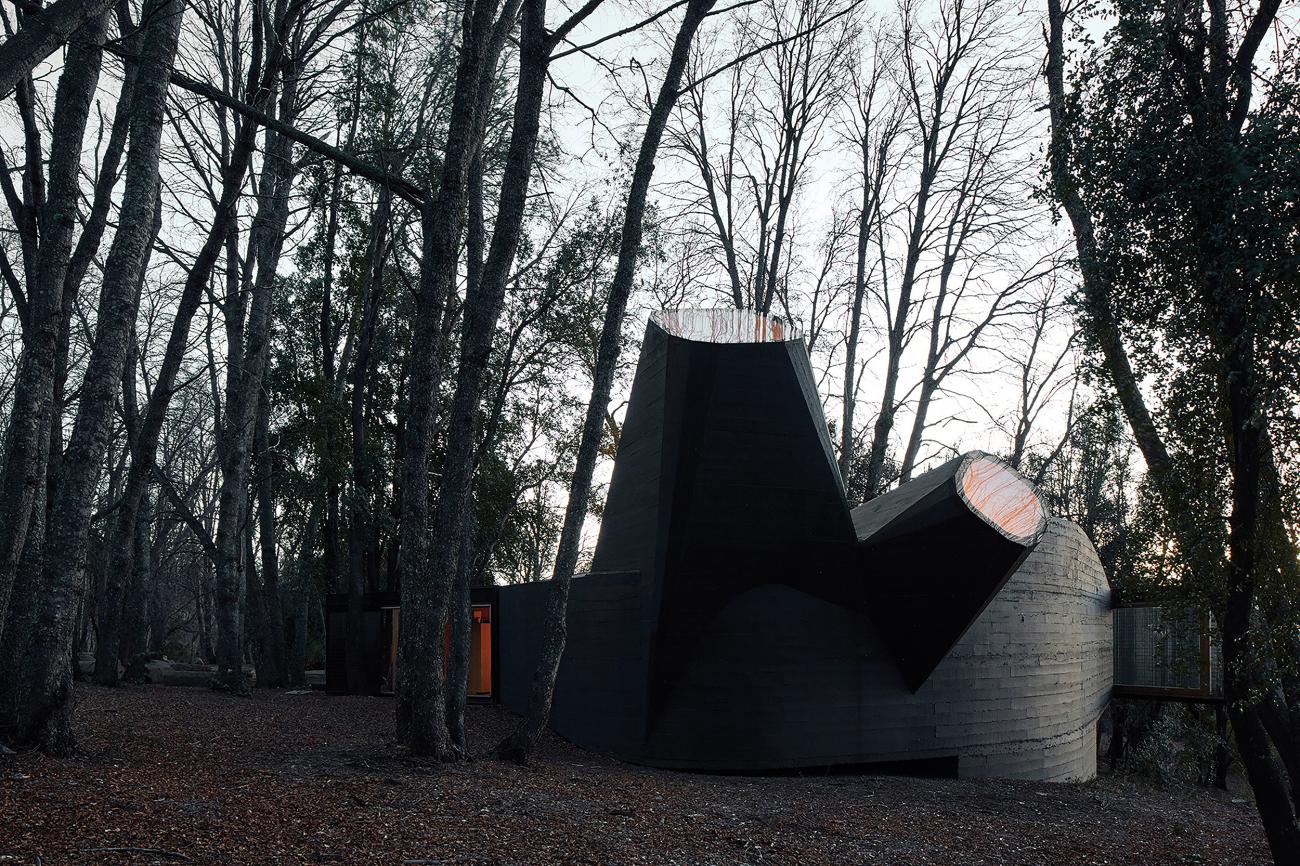
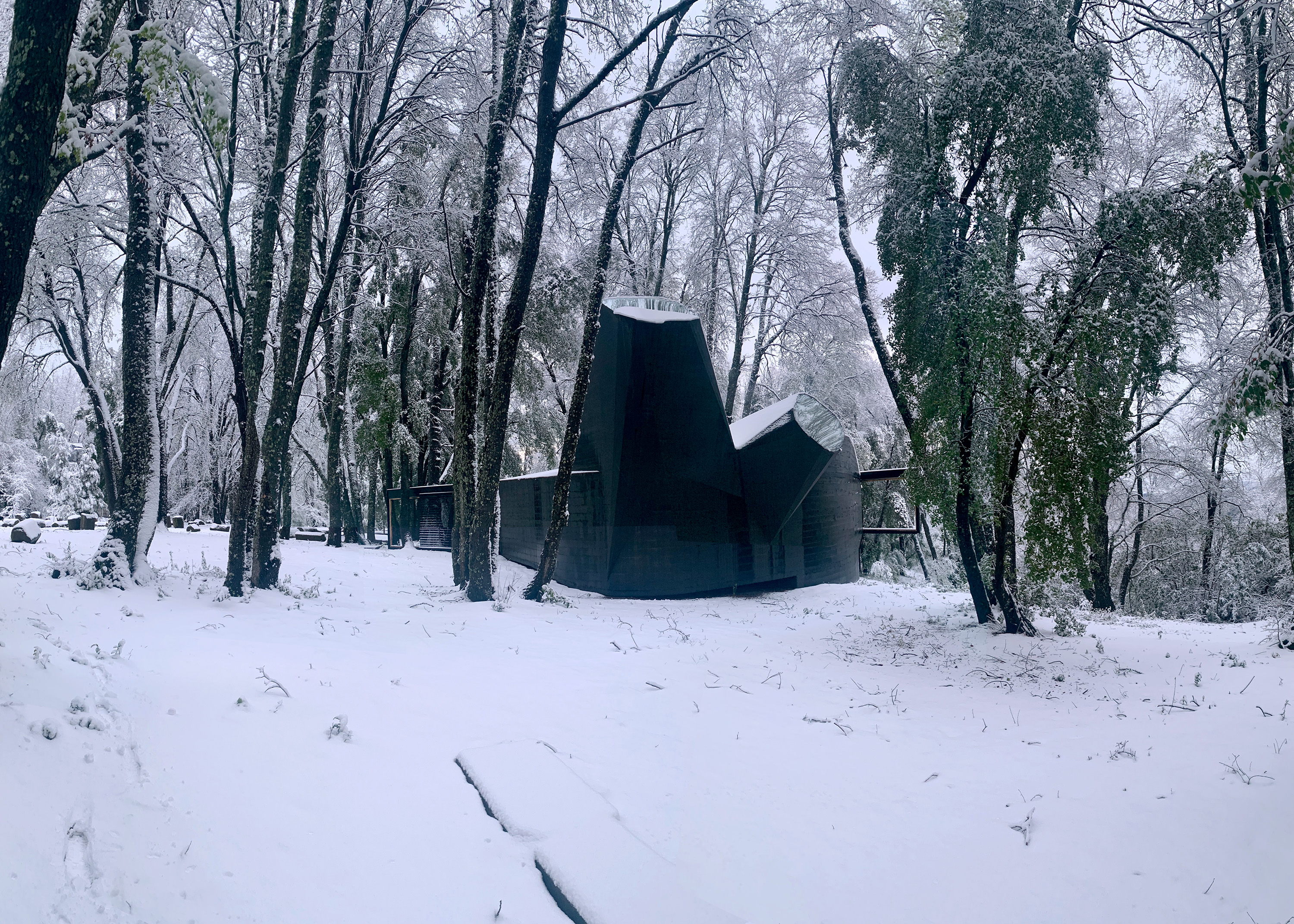
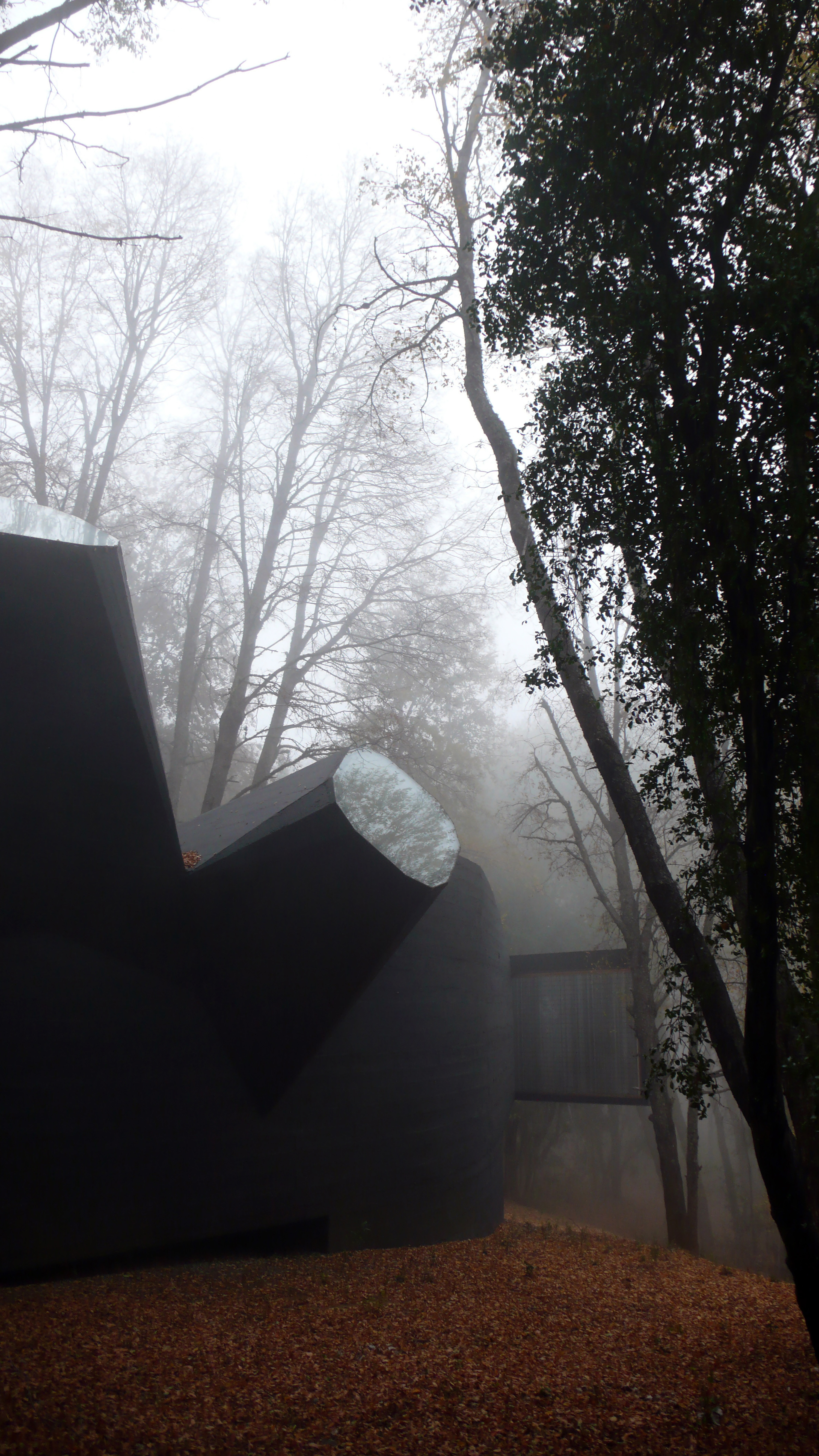
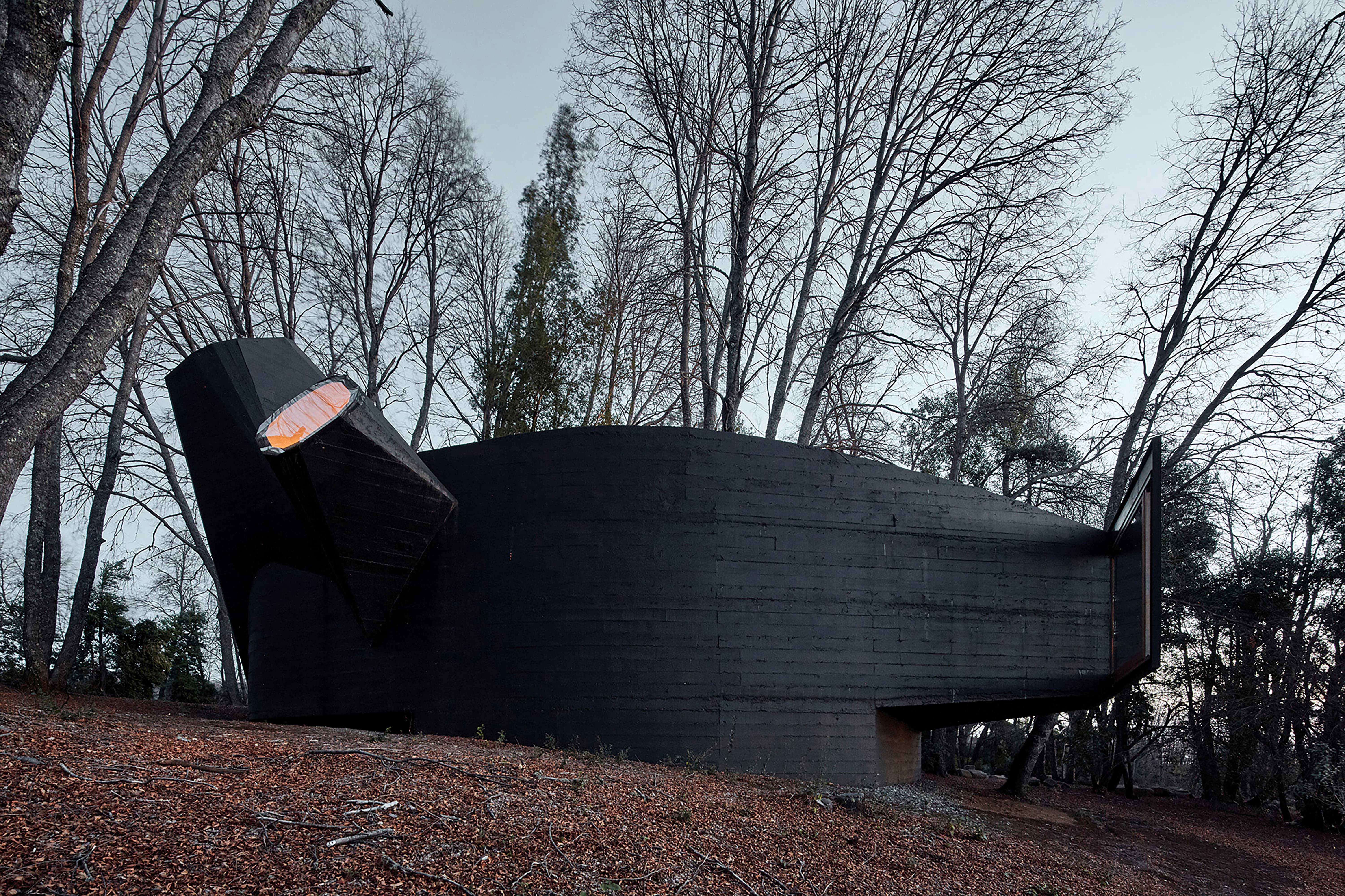
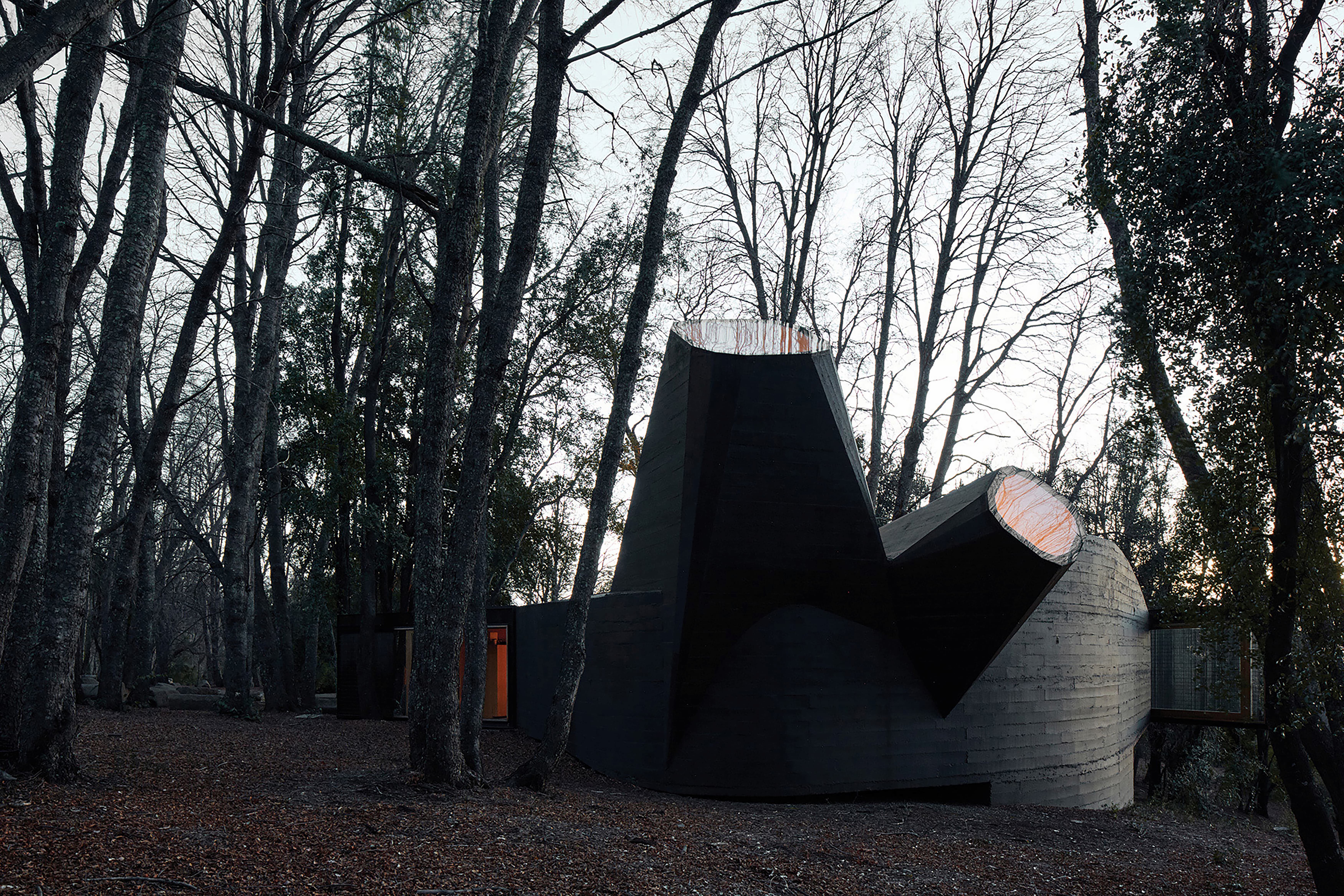
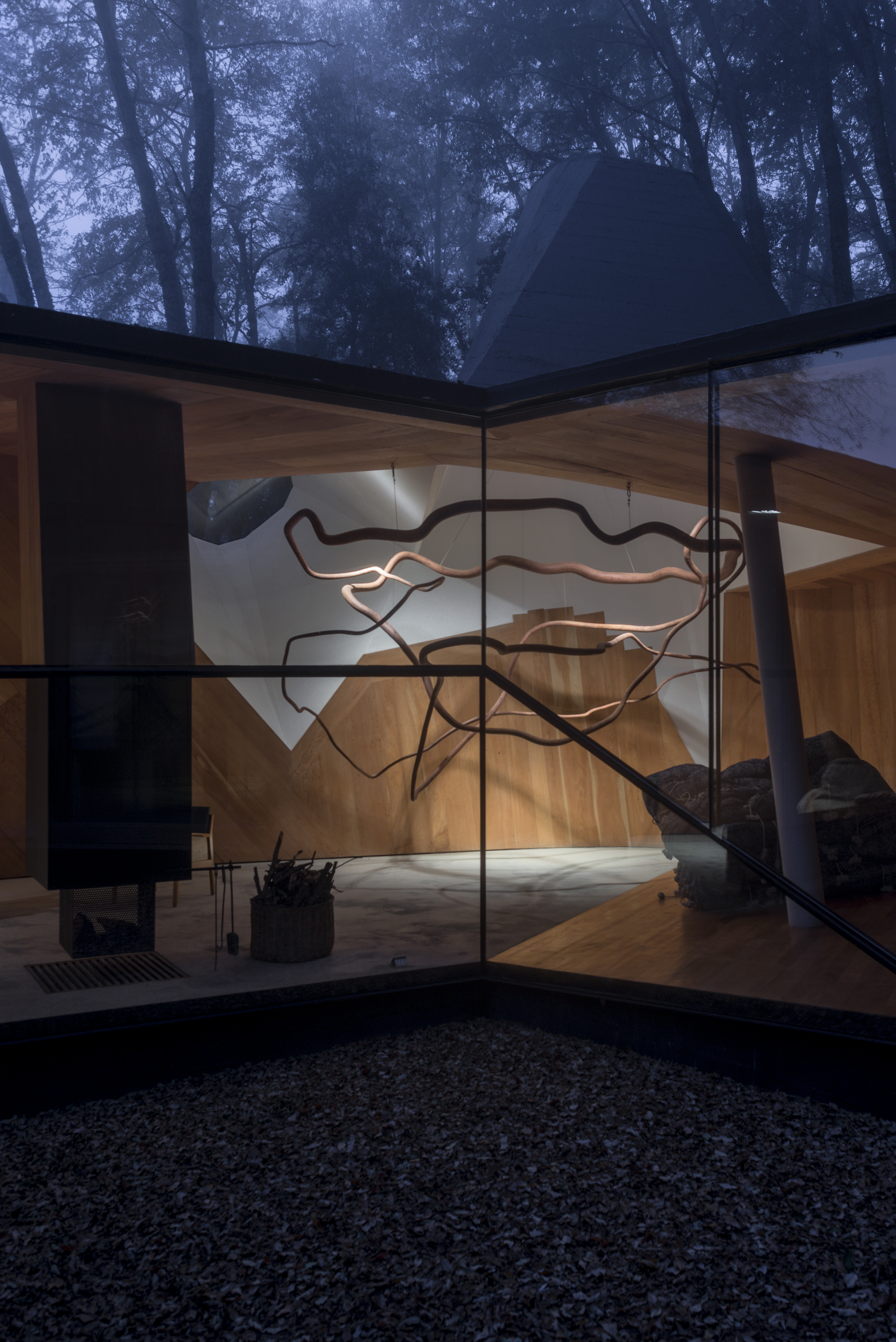
His works are marked by a quiet emotional intelligence, informed by empathy for the human experience and calibrated to shape how architecture is felt over time. His buildings feel protective, inwardly focused, and attentive to human fragility. House for the Poem of the Right Angle (Vilches, Chile, 2013) signifies contemplative retreat, with thoughtfully placed openings, oriented upward to capture light and time, encouraging stillness and introspection.

At his home studio, Pequeño Edificio Burgués (Santiago, Chile, 2023), the residence provides shelter and privacy while maintaining an expansive relationship to the city below. From within, residents overlook urban landscape below, while from the outside, the interior remains concealed behind chain-link curtains. Single-pane glass walls invite rain, sound, and shifting light into the space, allowing daily weather to be felt as much as seen. Below, the subterranean studio occupies a quieter register, as the same walls are tempered by an earthen berm that filters sunlight, brings nature into view, and creates a protected environment for work.

Image
NAVE Performing Arts Center
NAVE, Performing Arts Center, photo courtesy of Cristobal Palma

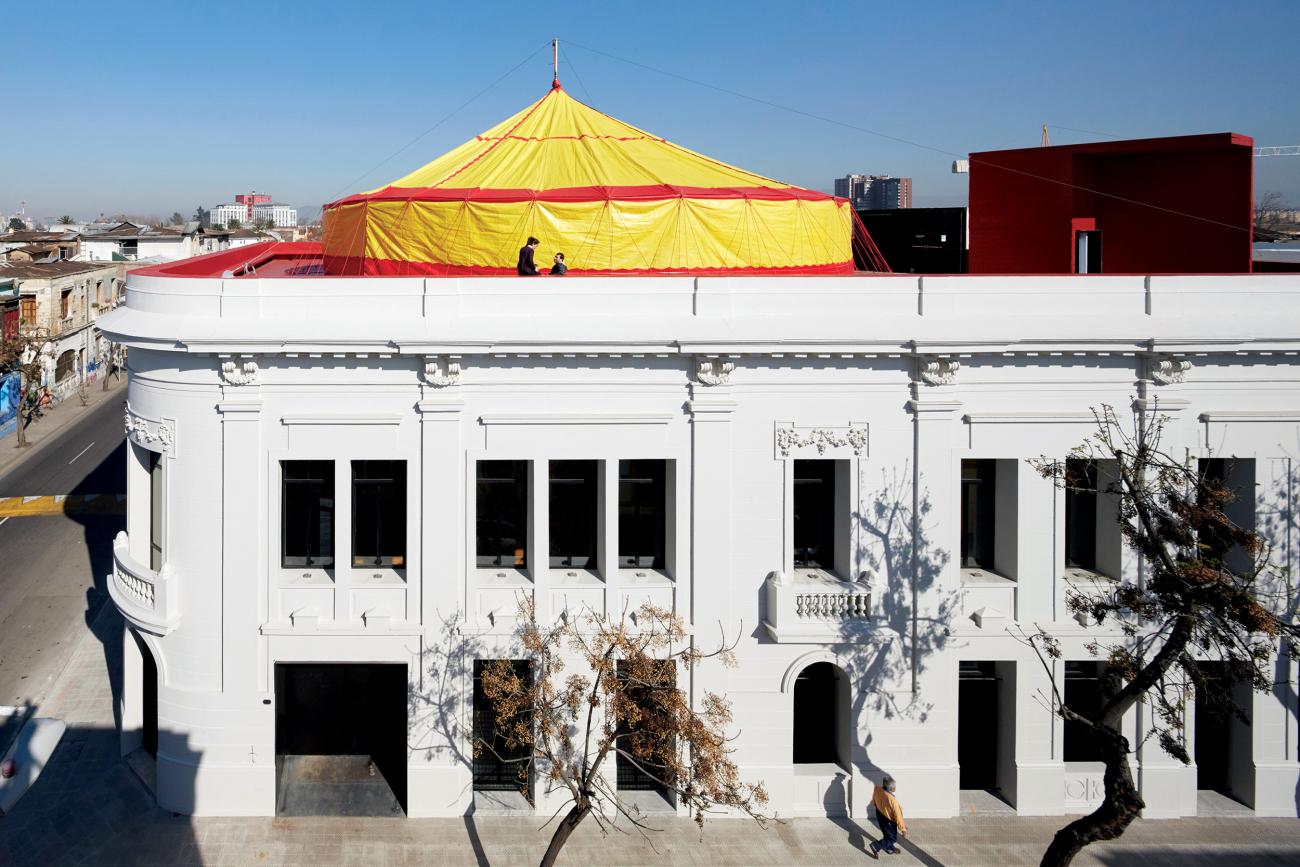
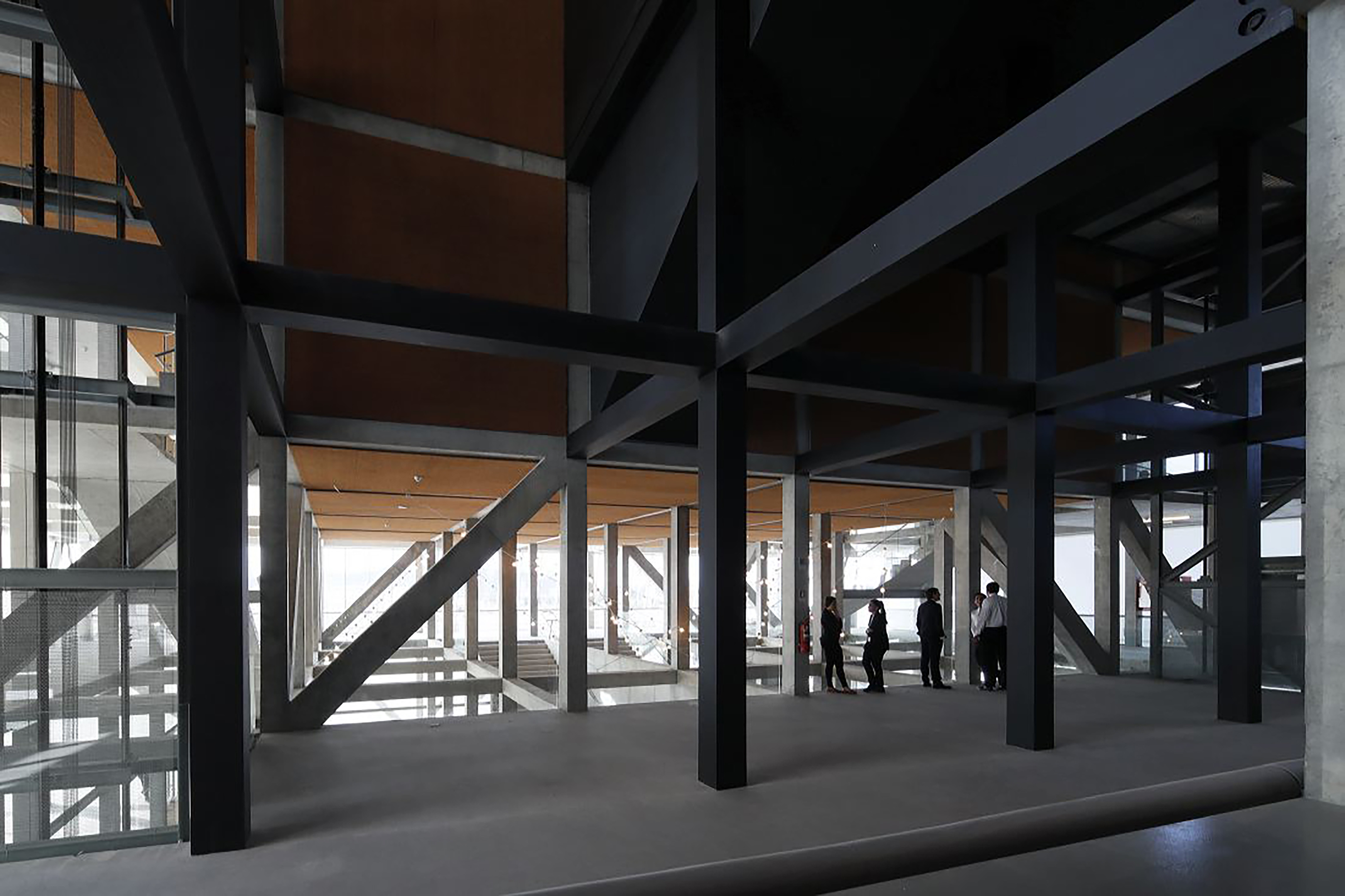
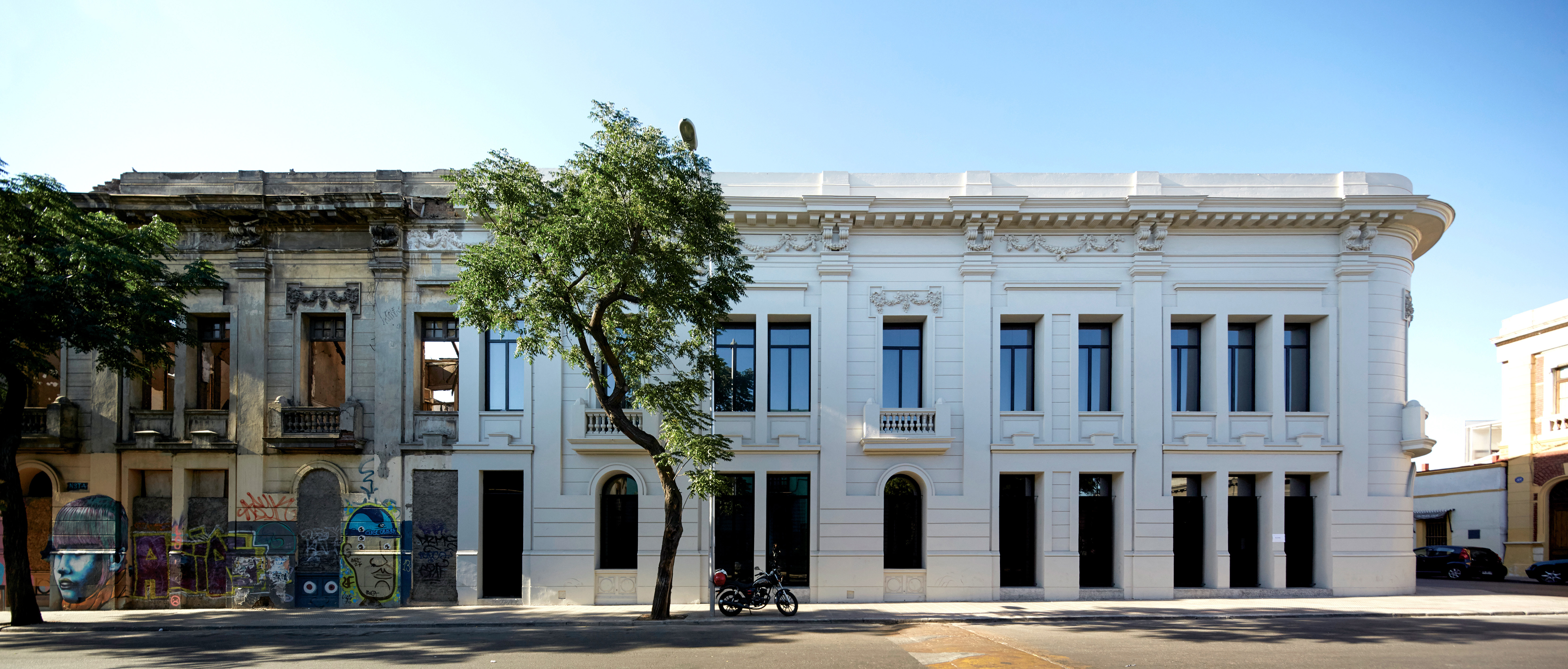
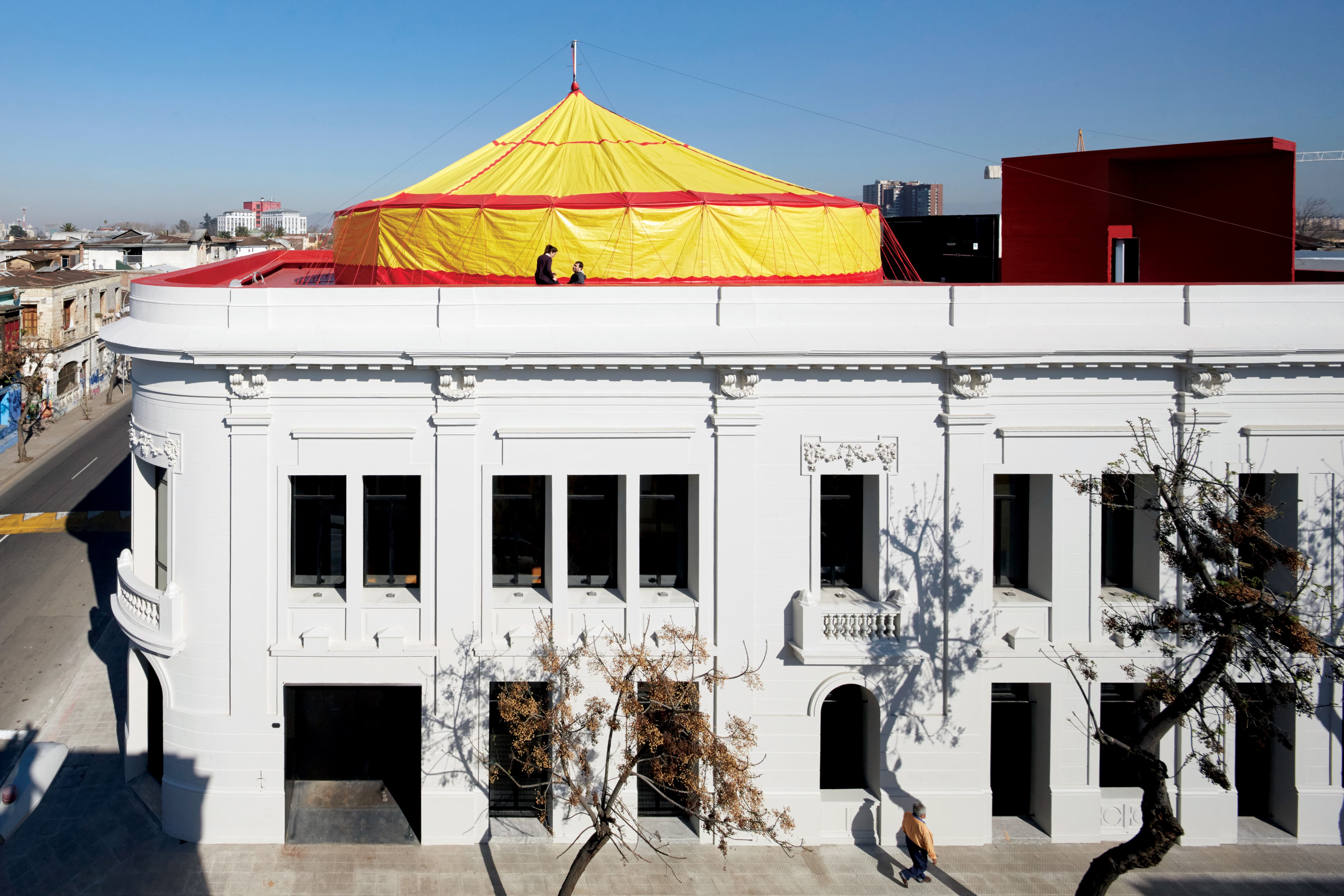
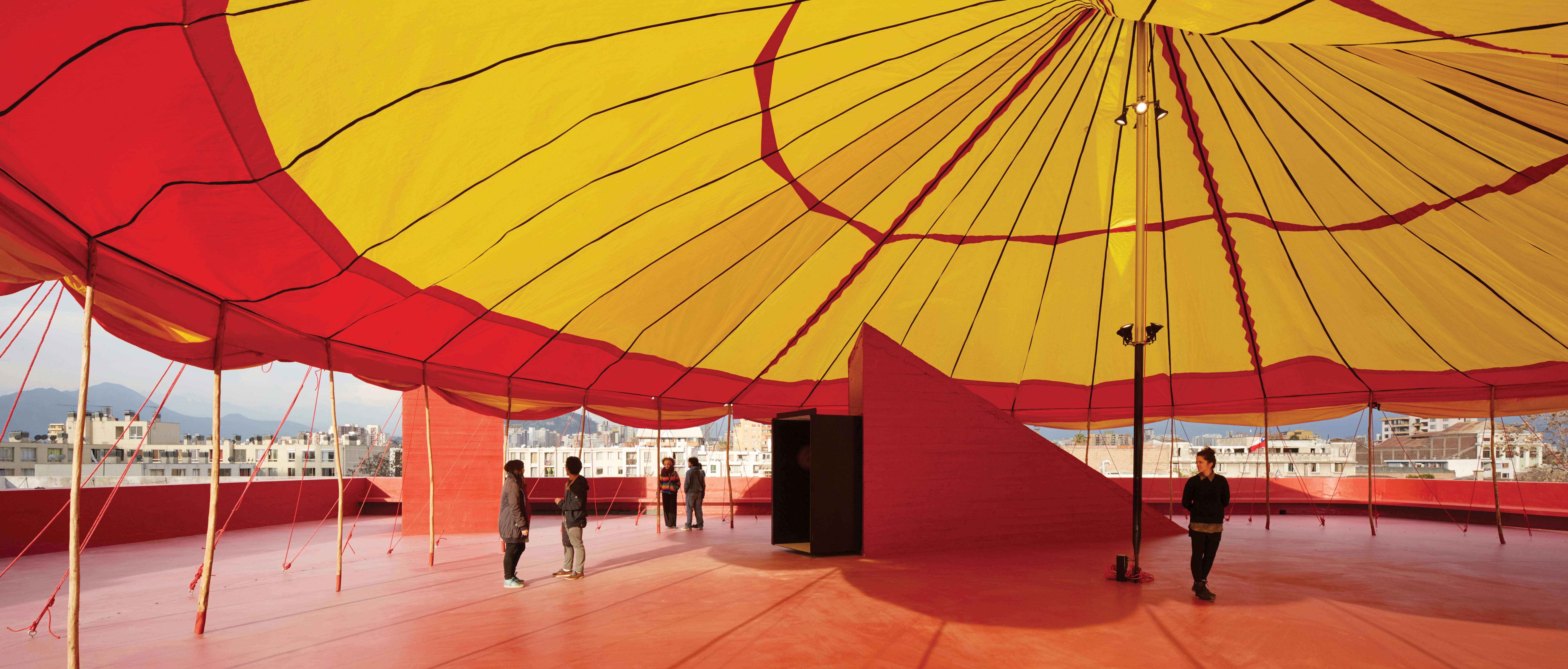
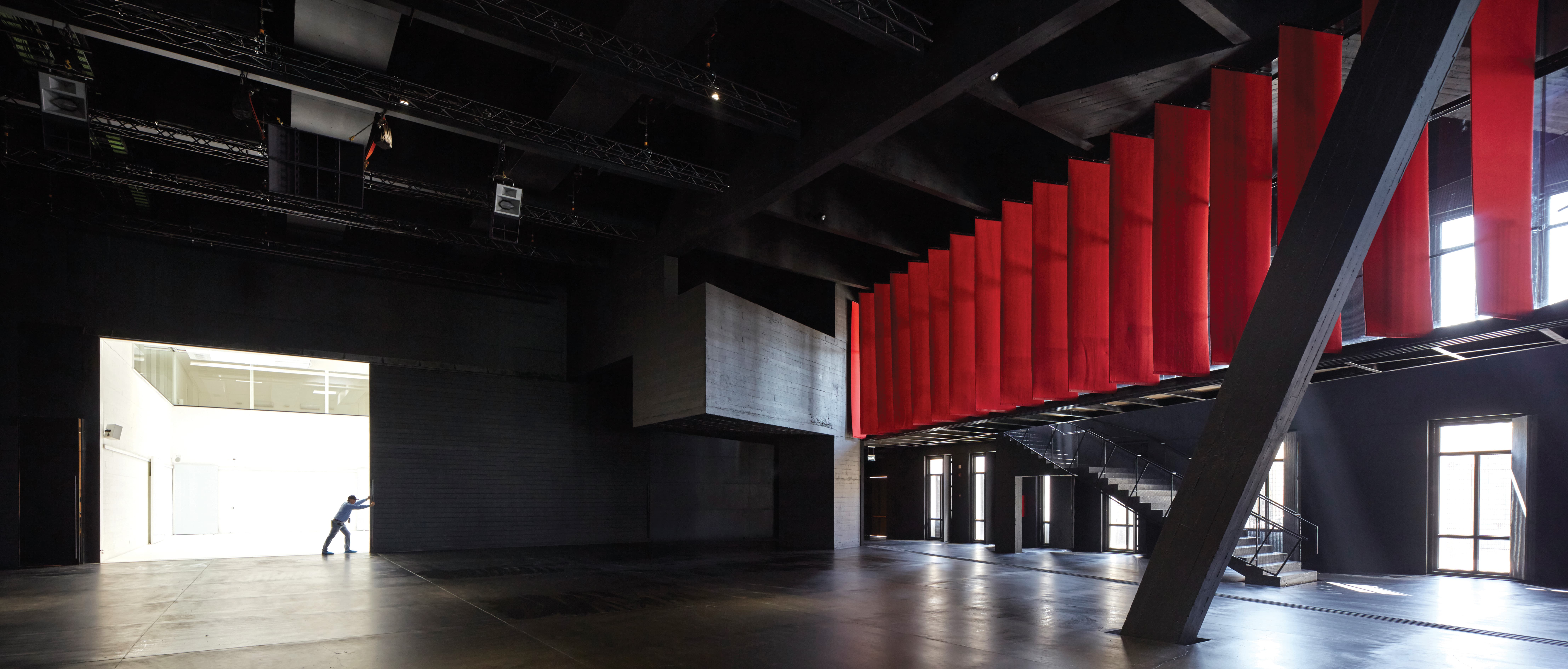
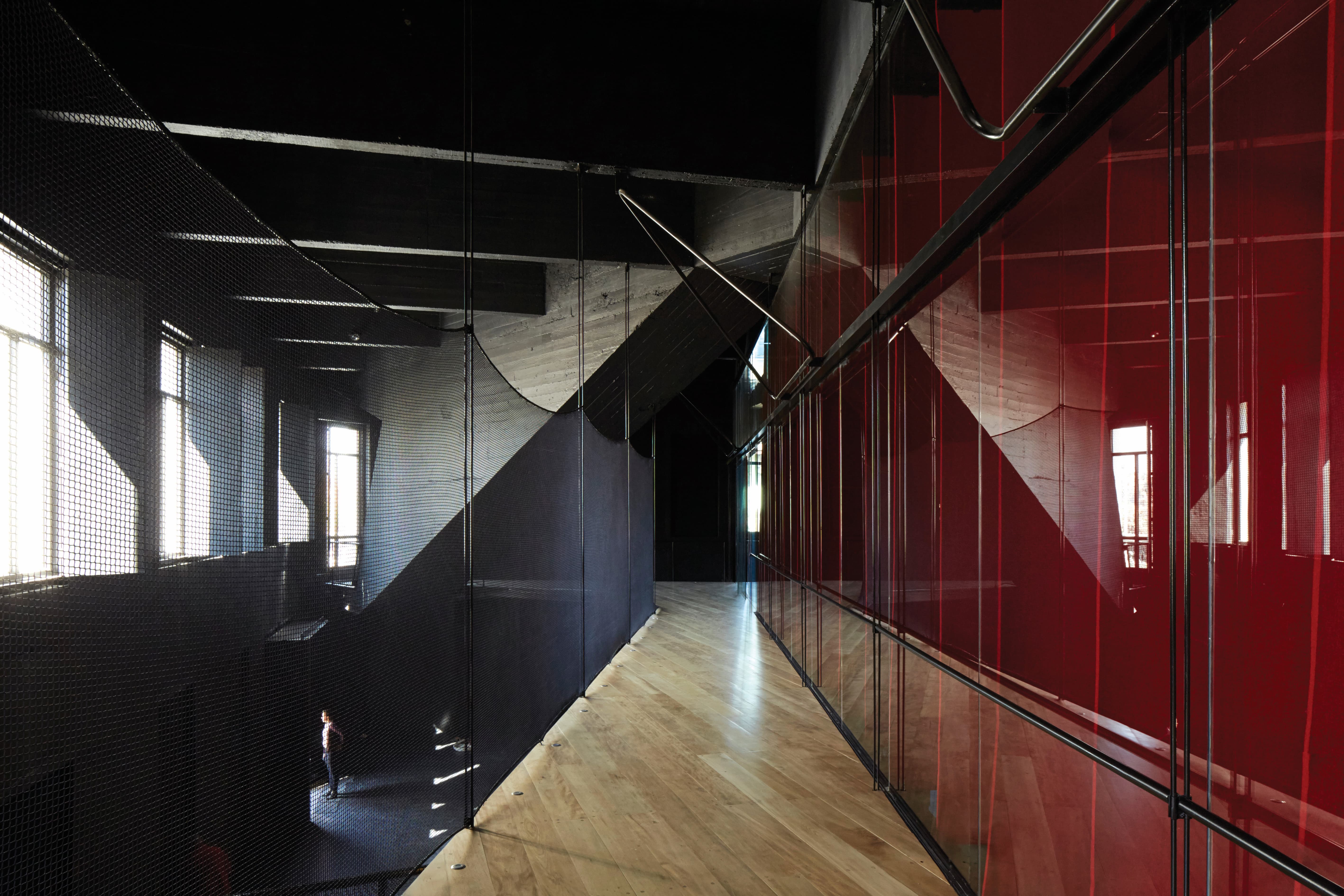
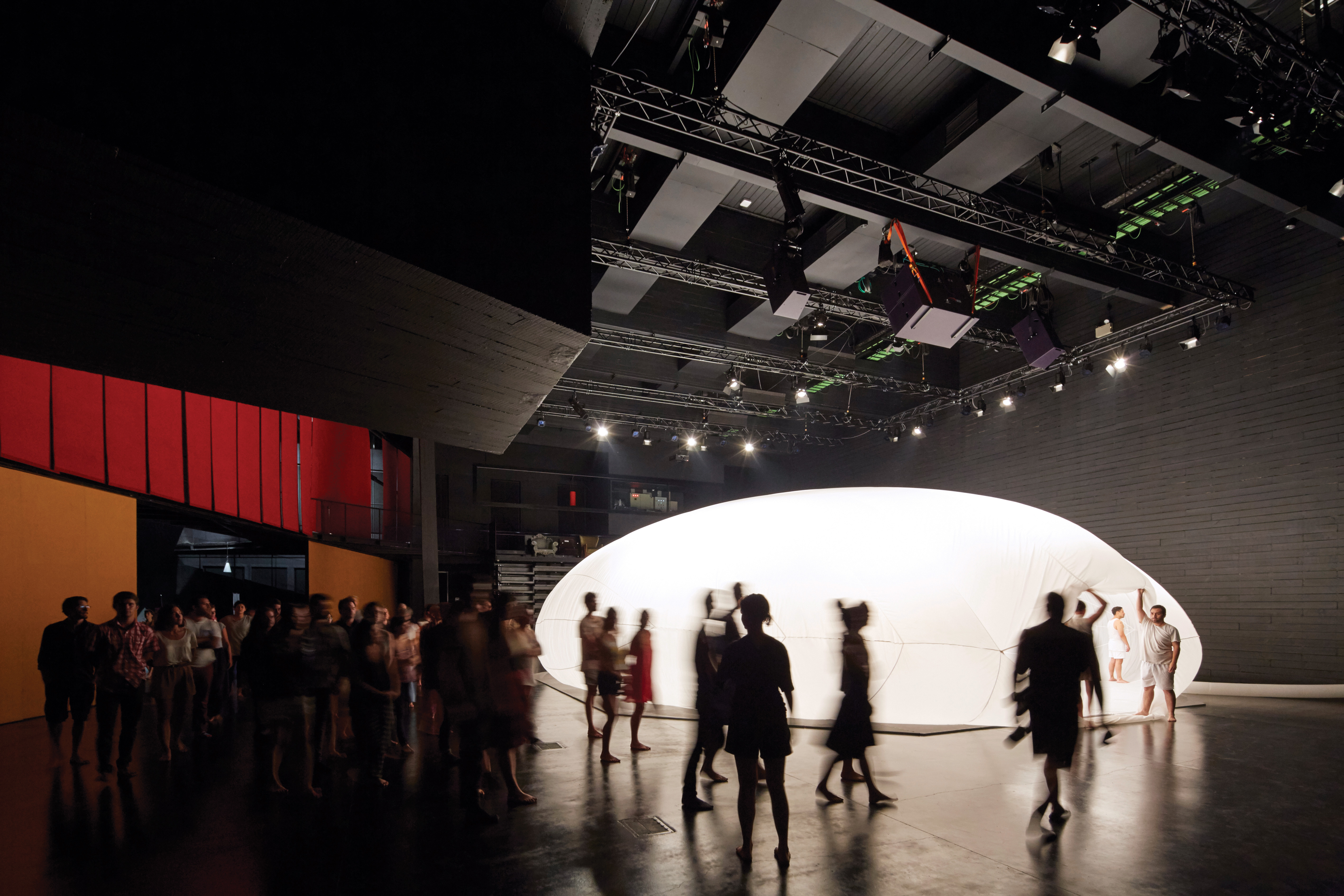
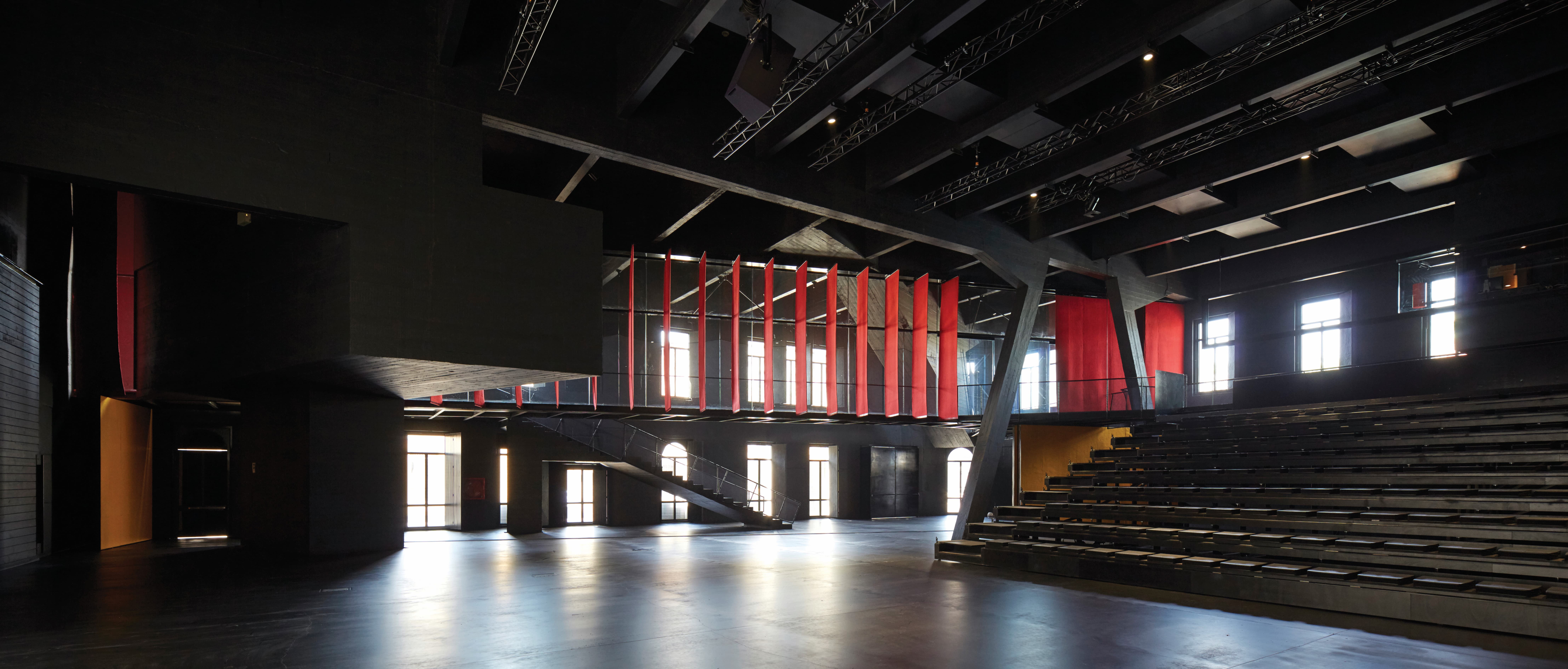
Interventions are neither restoration nor replacement, rather intentional calculations of scale and use. At NAVE (Santiago, Chile, 2015), Radić reframes an early-twentieth-century residential heritage building damaged by natural disaster, retaining the existing structure while inserting new volumes dedicated to open-ended performance, rehearsal, and workshop spaces. Above, a rooftop terrace capped by a circus tent introduces an unexpected lightness and an atmosphere of provisional celebration programmed with community events, that contrasts with the grounded intimacy below. Previous layers remain visible, treating adaptation as continuity rather than compromise.

This attentiveness to layers extends beyond construction. In 2017, Radić established Fundación de Arquitectura Frágil in Santiago, conceived as both a platform for public exchange and a working archive. The foundation’s collection, comprised of experimental works, studies, and references from other architects, forms a body of inquiry that often informs his own projects. The work of others becomes another layer through which architecture continues to evolve.

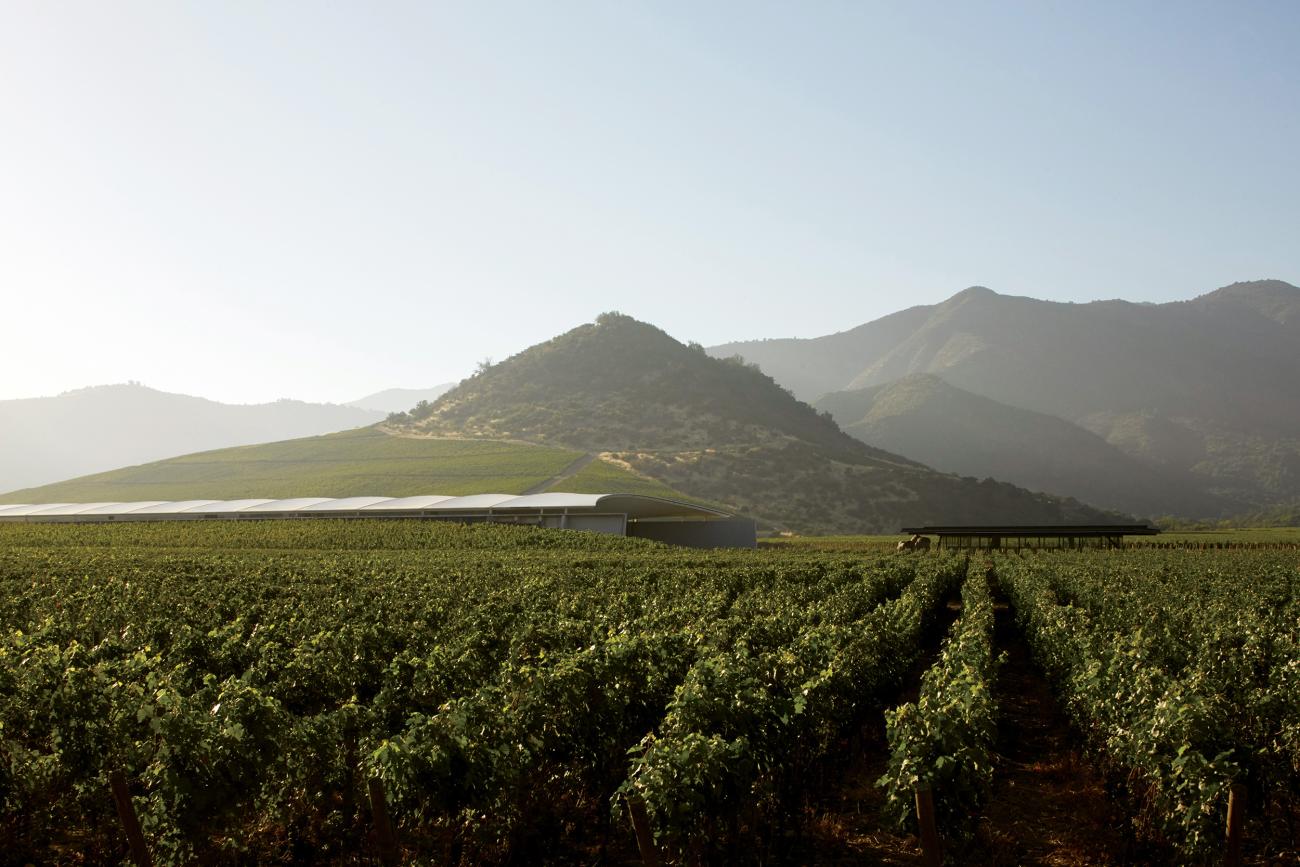
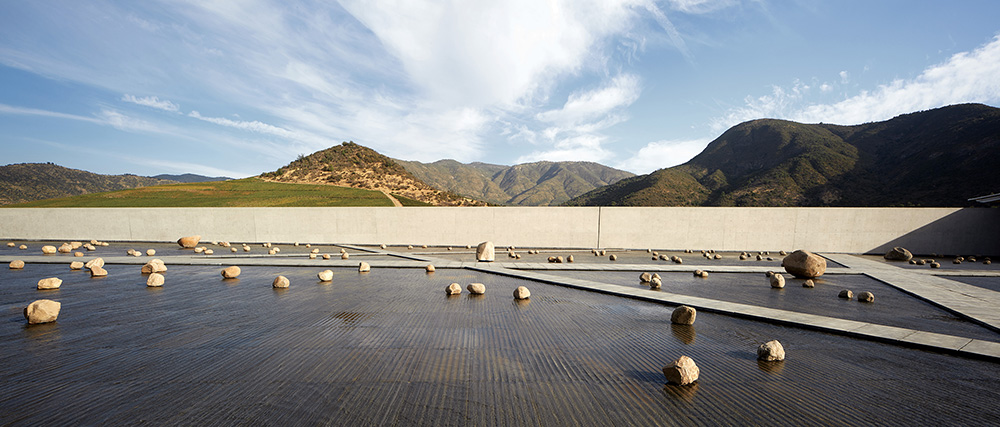
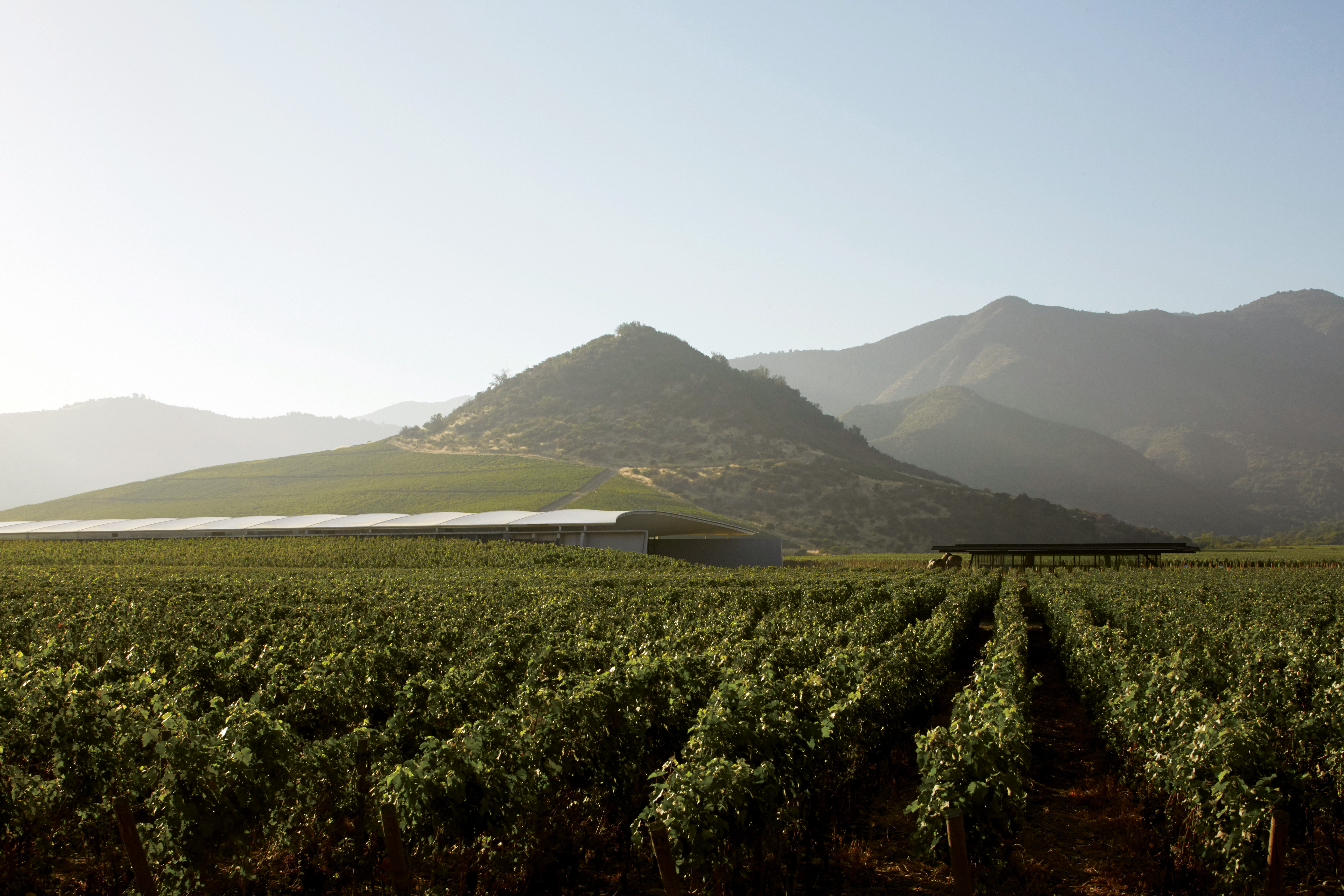
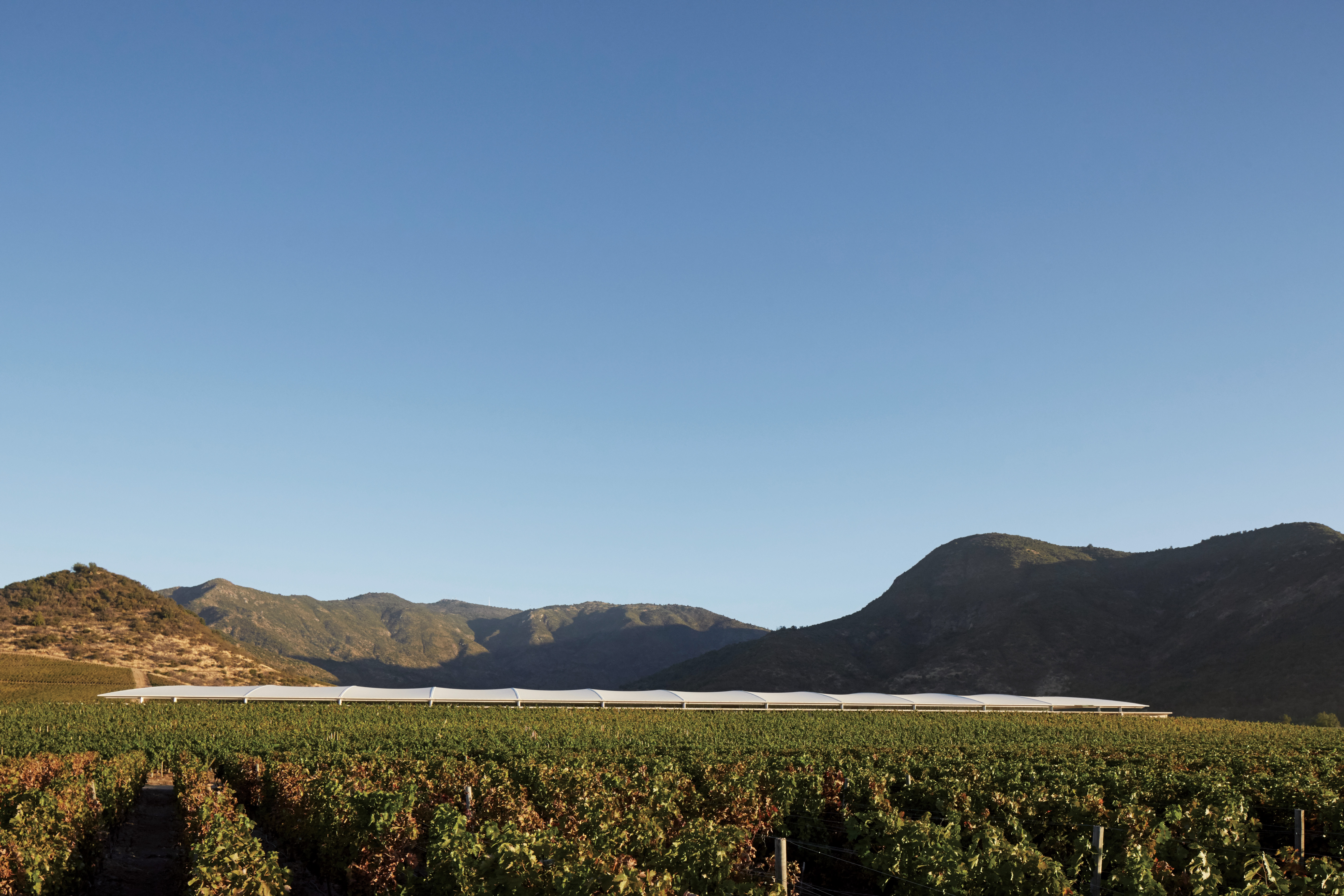
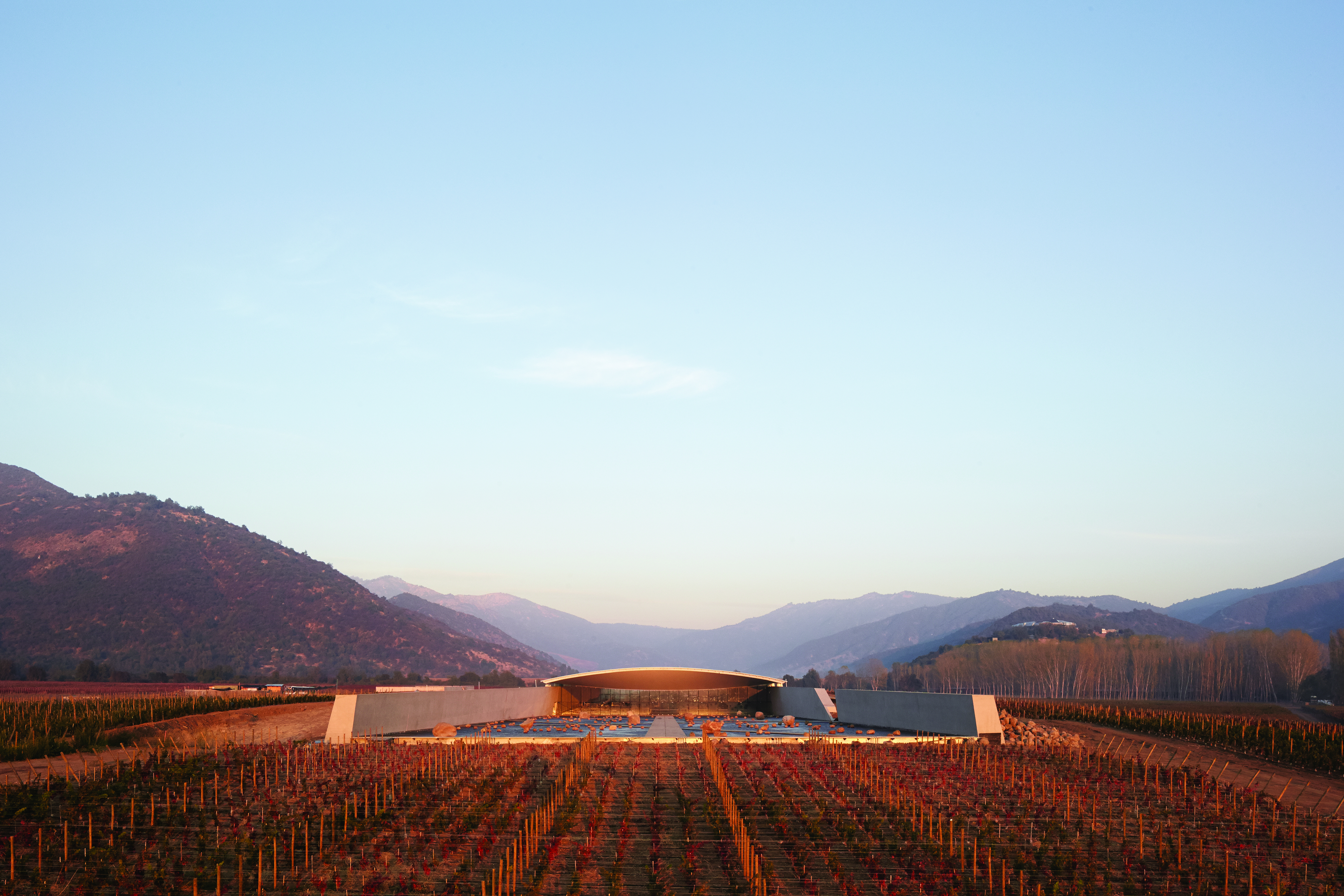
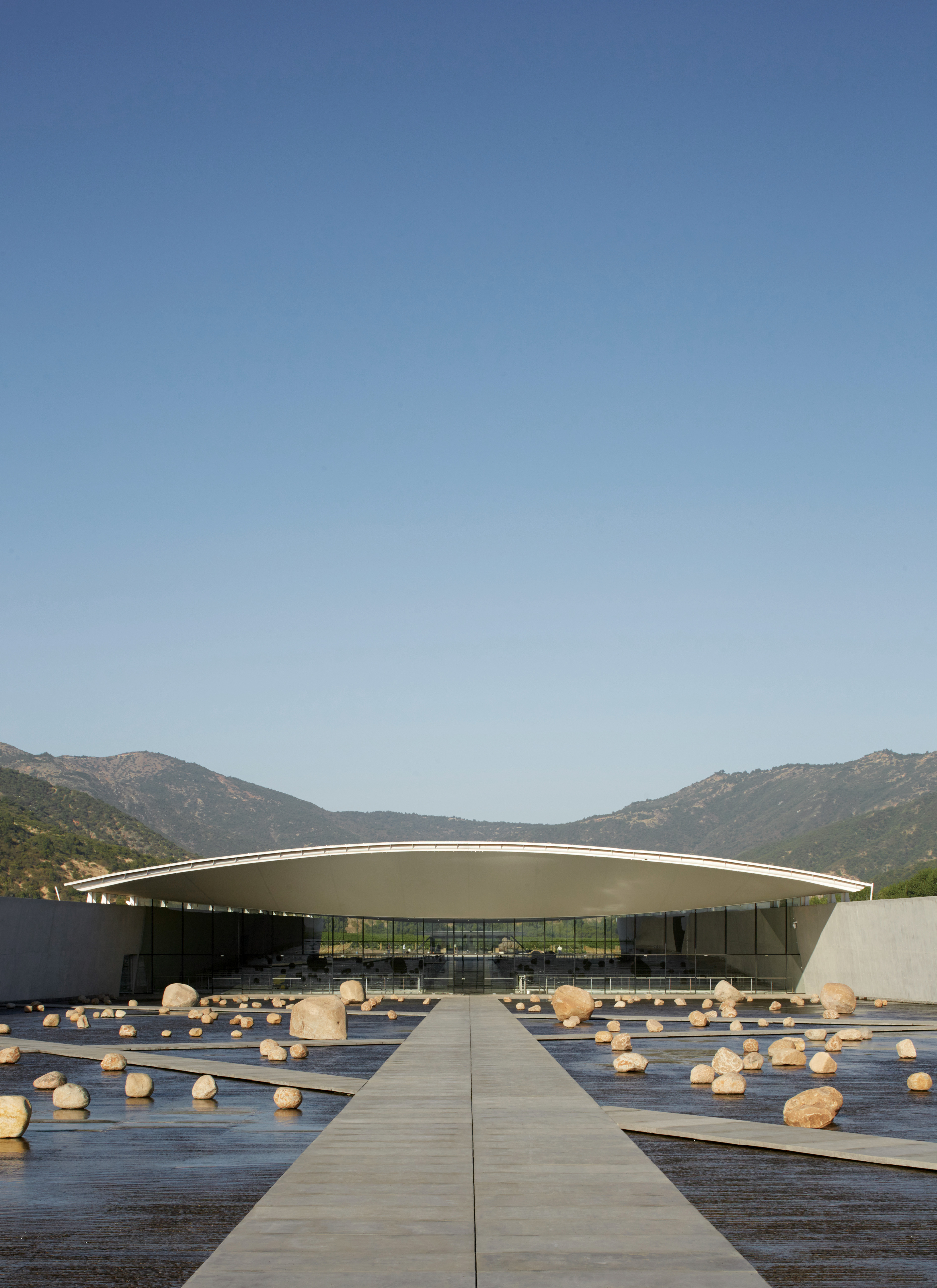
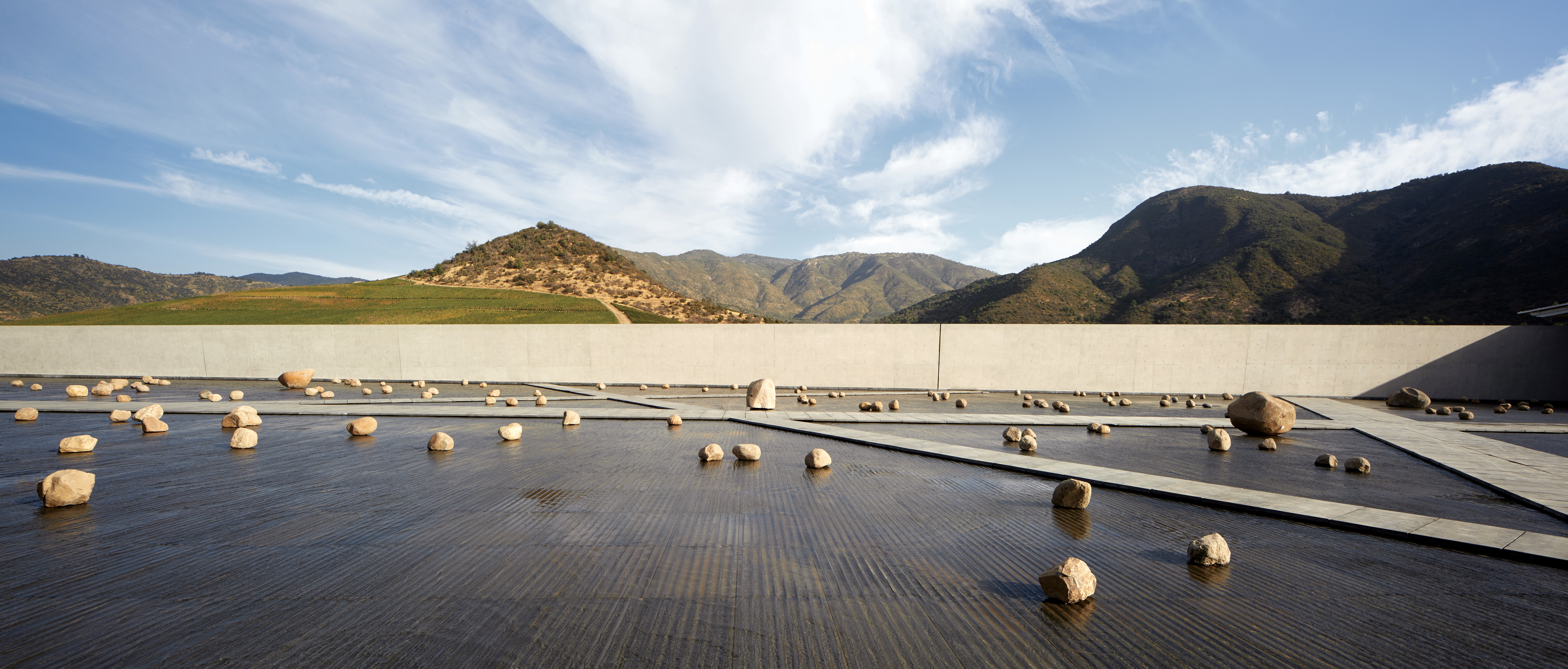
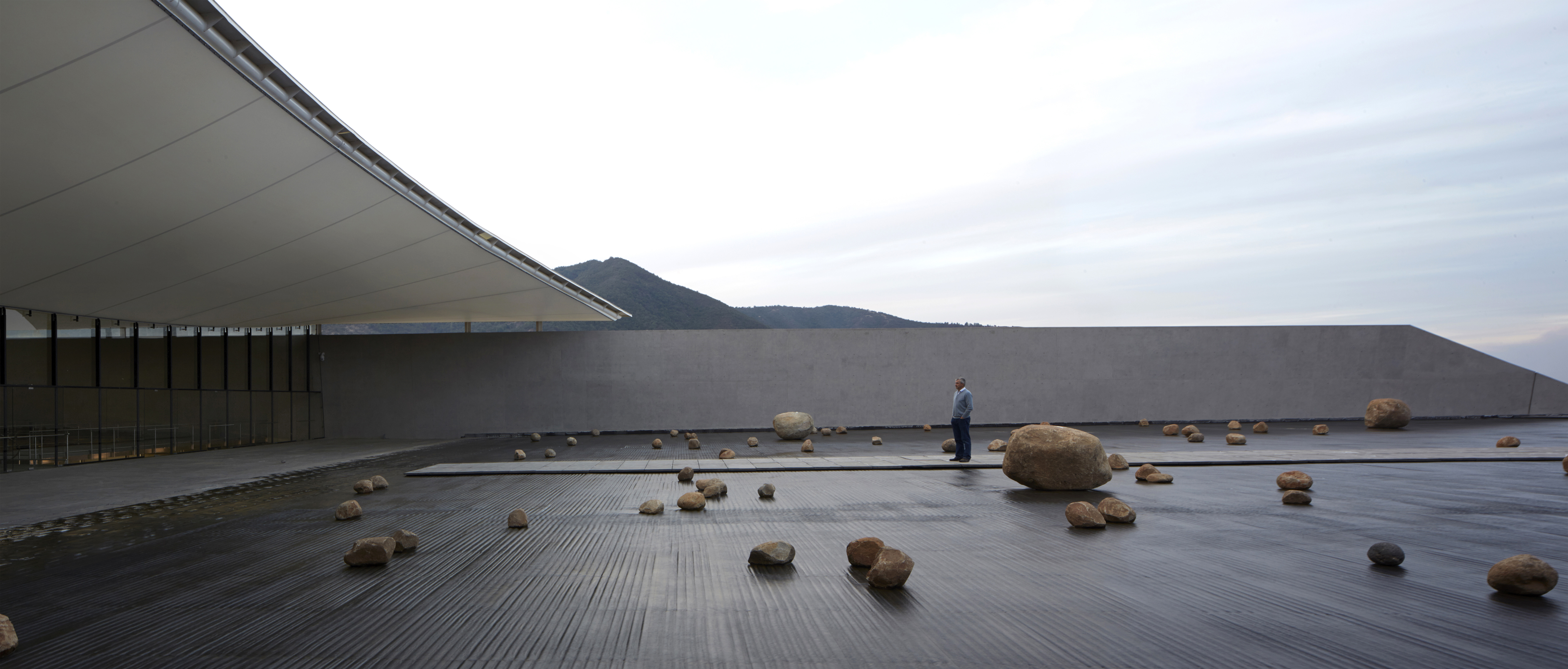
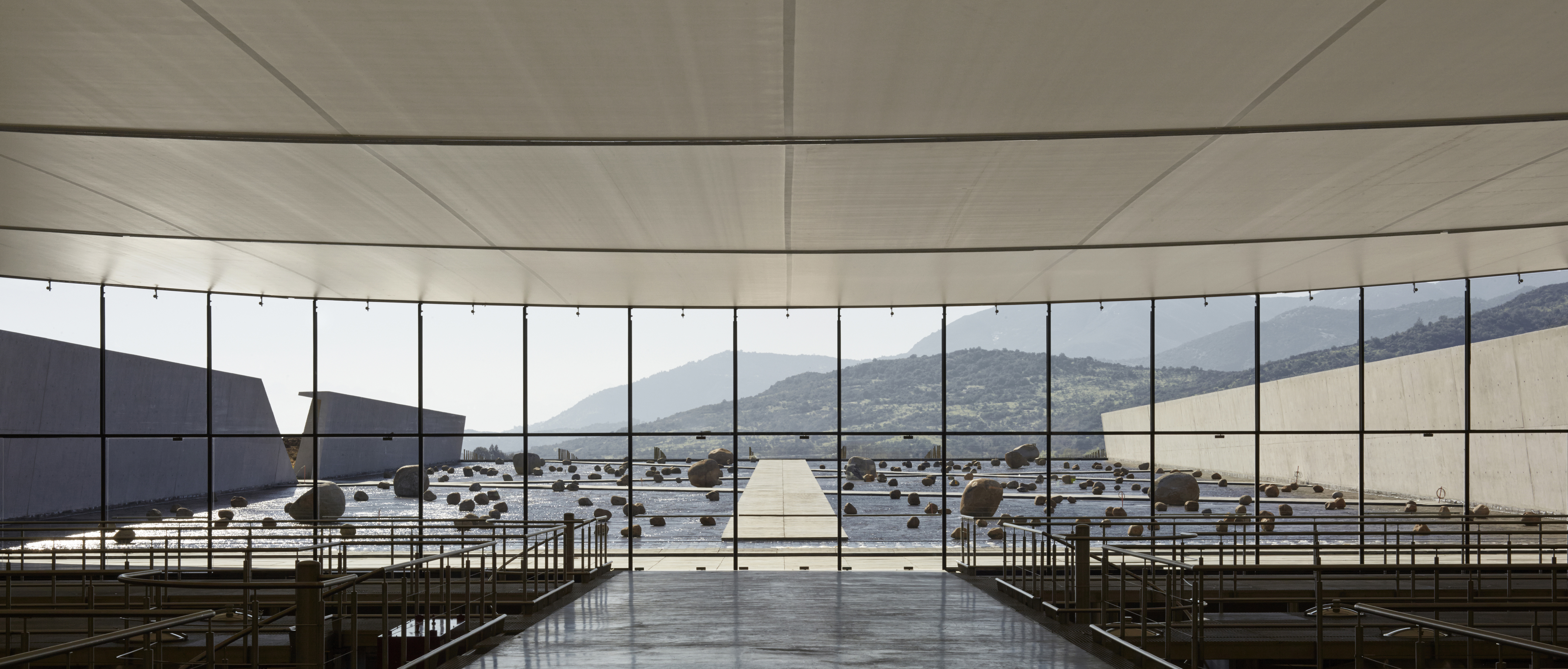
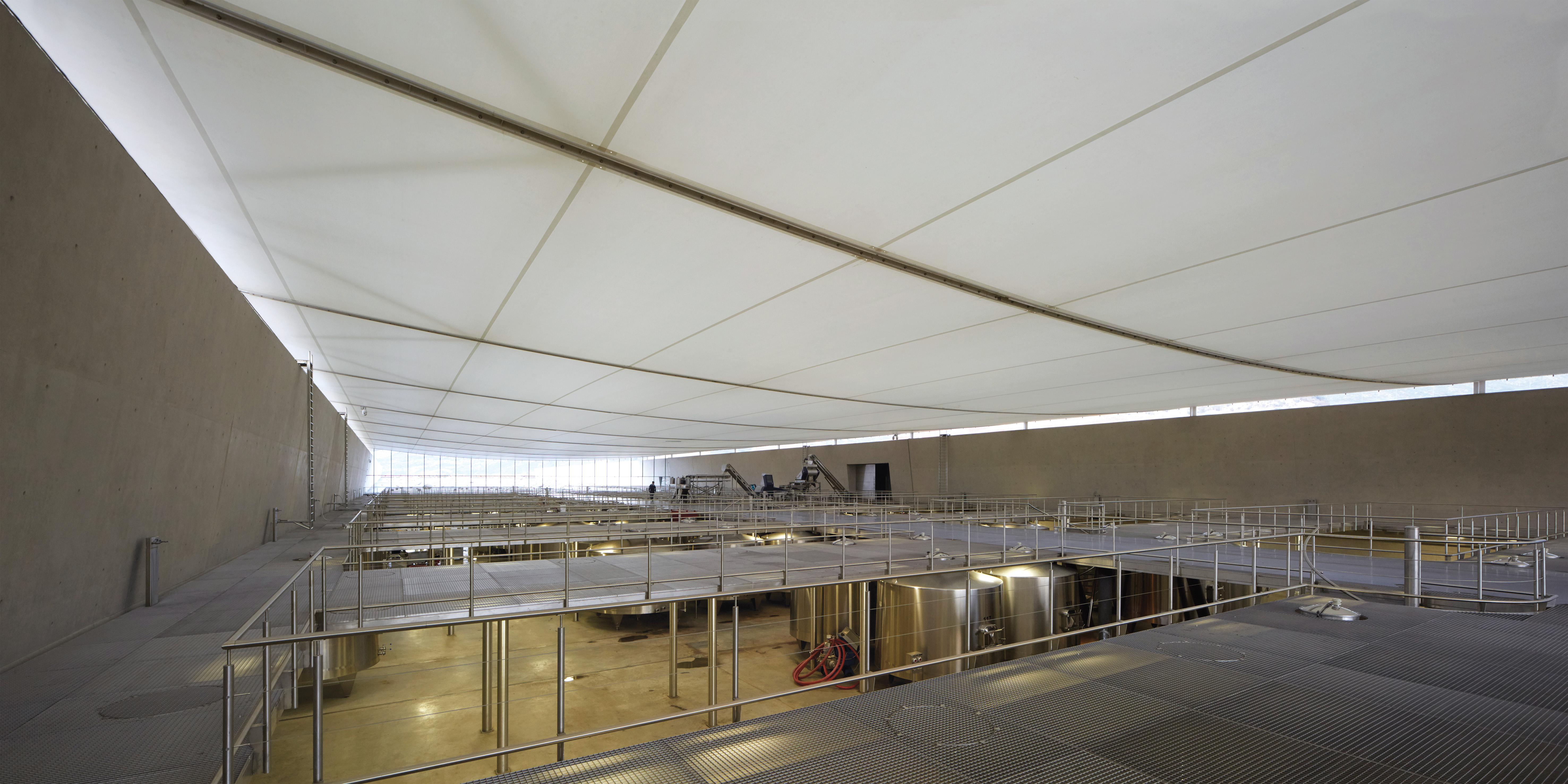
Developed over more than three decades, Radić’s practice spans cultural institutions, civic spaces, commercial buildings, private residences, and installations throughout Albania, Austria, Chile, Croatia, France, Italy, Spain, Switzerland, and the United Kingdom, with additional defining works including Guatero, for the XXII Chilean Architecture Biennial (Santiago, Chile, 2023); London Sky Bubble (London, United Kingdom, 2021); Chanchera House (Puerto Octay, Chile, 2022); Prism House (Conguillío, Chile, 2020); Vik Millahue Winery (Millahue, Chile, 2013); The Boy Hidden in a Fish, with Marcela Correa, for the 12th International Architecture Biennale of Venice (Venice, Italy, 2010); and CR House (Santiago, Chile, 2003).

Smiljan Radić Clarke is the 55th Laureate of the Pritzker Architecture Prize and the founder of the practice, Smiljan Radić Clarke, established in 1995. Born in Santiago, Chile, he resides and works in his native city with upcoming projects in Albania, Spain, Switzerland, and the United Kingdom.

The Pritzker Architecture Prize is awarded in recognition of exceptional talent, vision, and commitment that, over time, have given rise to profound and enduring contributions to humanity and the built environment through the art of architecture. Smiljan Radić’s body of work embodies these values in their most radical and essential form.

To render the qualities of his architectural work in spoken language is intrinsically difficult, for in his designs he works with dimensions of experience that are immediately palpable but escape verbalization—like the perception of time itself: immediately recognizable, yet conceptually evasive. His buildings are not conceived simply as visual artifacts; rather, they demand embodied presence.

A first fundamental paradox of Smiljan Radić’s architecture is in that it establishes a personal, almost introspective point of entry, without culminating in withdrawal. On the contrary, what begins as an individual encounter expands into a broader, collective resonance. This is, perhaps, the nature of true art: it addresses each of us as singular beings, one to one, and yet propels us towards a shared origin—an atavistic place beyond race, gender, or culture. Such a capacity acquires particular relevance in times of polarisation and dehumanisation, and may well constitute the true value of an architect whose work can be described, without hesitation, as profoundly original: the art of architecture practiced as a sustained attempt to reconnect all individuals with a deeper origin. Importantly, this should not be mistaken for nostalgia or historical revivalism. His stripping away of the surface is grounded in radical experimentation and an unrelenting interrogation of convention, precedent, and the well-trodden path. Herein lies a further paradox: his unorthodox approach to design may initially appear unusual, unexpected—even rebellious—yet far from producing alienation or estrangement, his anti-canonical stance feels fresh and unprecedented. It conveys the unmistakable sensation of encountering something new.

Image
Vik Winery
Vik Millahue Winery, photo courtesy of Cristobal Palma

Through unobvious connections and patterns of circulation, Radić’s buildings offer a multiplicity of stages for users to act, interact, and even change the narratives that unfold within them. The masterful composition of volumes and the precise calibration of scales lend a sense of monumentality to the everyday life, whether experienced at an individual or public level. In Radić’s architecture, monumental presence is reworked through fragility, lightness and apparent instability, achieved not through scale alone, but through atmosphere, material tension and spatial intensity. This allows everyday actions—walking, waiting, gathering—to acquire significance without being subordinated to a grand ideological narrative. Through his deeply democratic approach, the monumental is thus returned to common experience rather than reserved for exceptional moments.

Image
Pite House
Pite House, photo courtesy of © Erieta Attali

Through a body of work positioned at the crossroads of an iconoclast language, material exploration and cultural memory, Smiljan Radić favours fragility over any unwarranted claim to certainty. His buildings may appear temporary, unstable, or deliberately unfinished—almost on the point of disappearance—yet they provide a structured, optimistic and quietly joyful shelter, embracing vulnerability as an intrinsic condition of lived experience.

Image
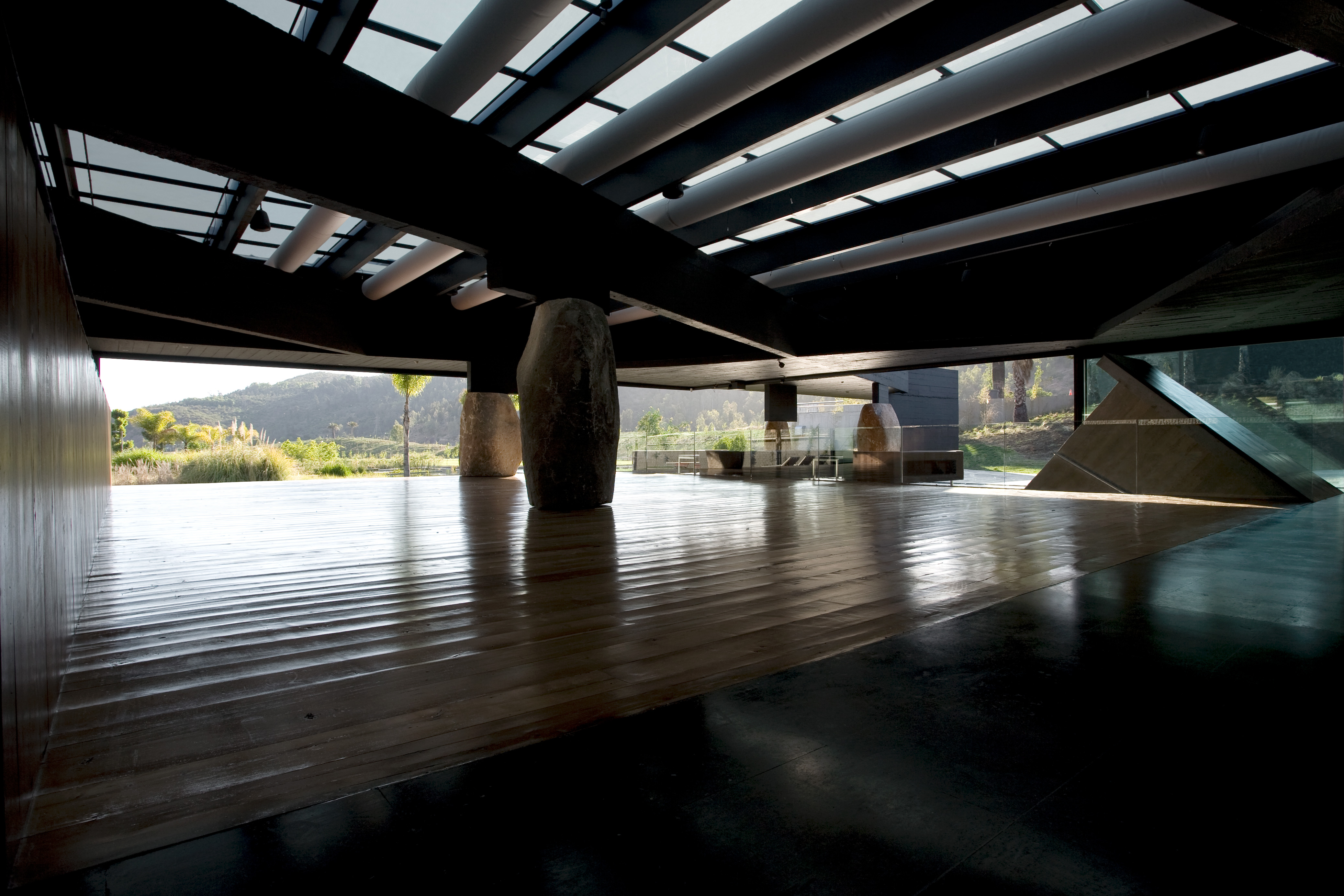
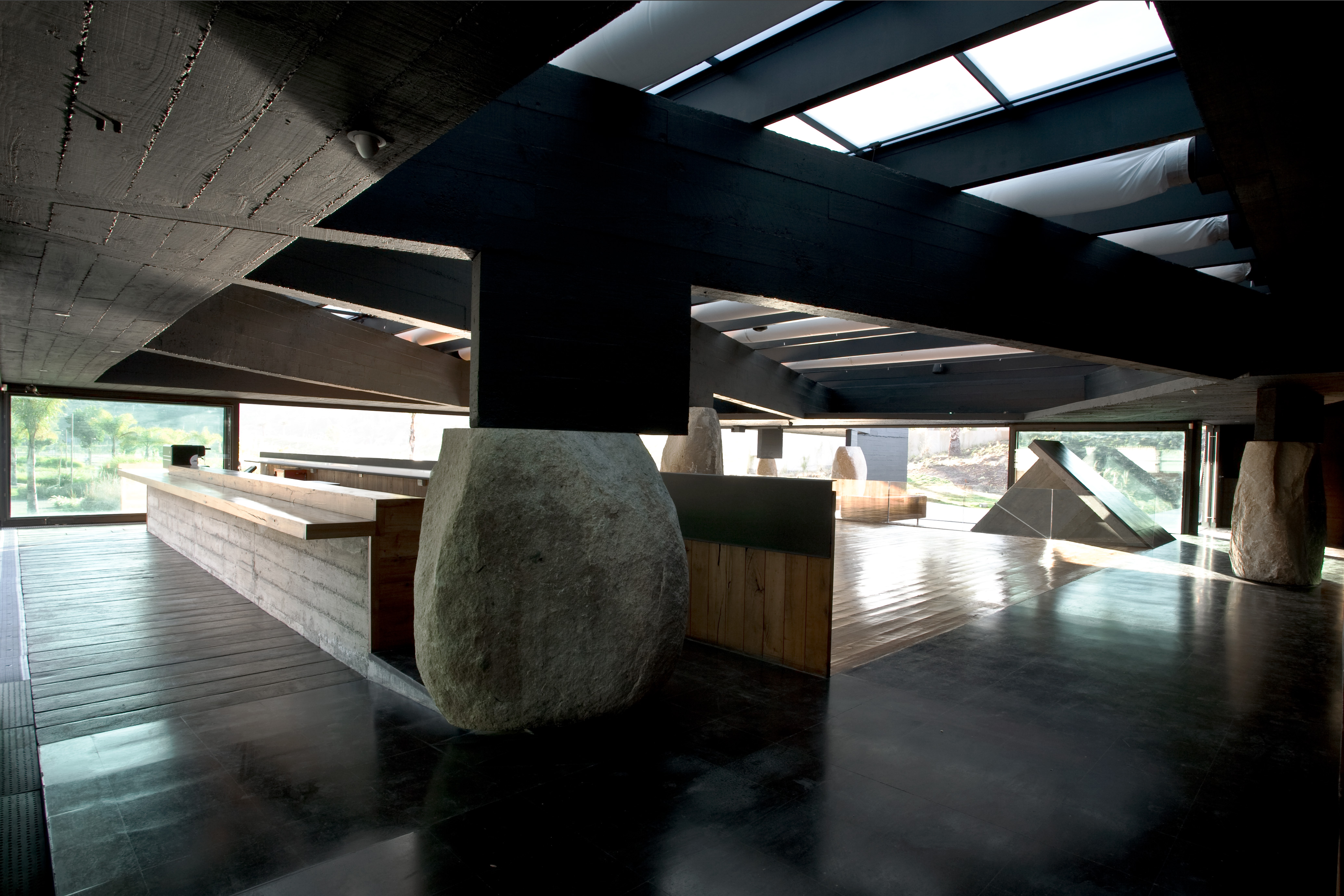
Restaurant Mestizo
Restaurant Mestizo, photo courtesy of Gonzalo Puga
Image
Serpentine Gallery
Serpentine Gallery Pavilion, photo courtesy of Iwan Baan

They are not firmly anchored to the ground; rather, they are delicately placed upon it, often hovering slightly above the surface and only occasionally making contact. Any lasting alteration to the site is carefully avoided, as though they could be removed at any moment and the ground restored to its original state. Inspired by the powerful and yet seismic Chilean environmental context and shifting from the logic—often implicit in construction—of domination and ownership towards coexistence, Radić presents architecture as a guest rather than a master of the site, acknowledging the primacy of the landscape and, by extension, of collective memory and shared territory over individual authorship.

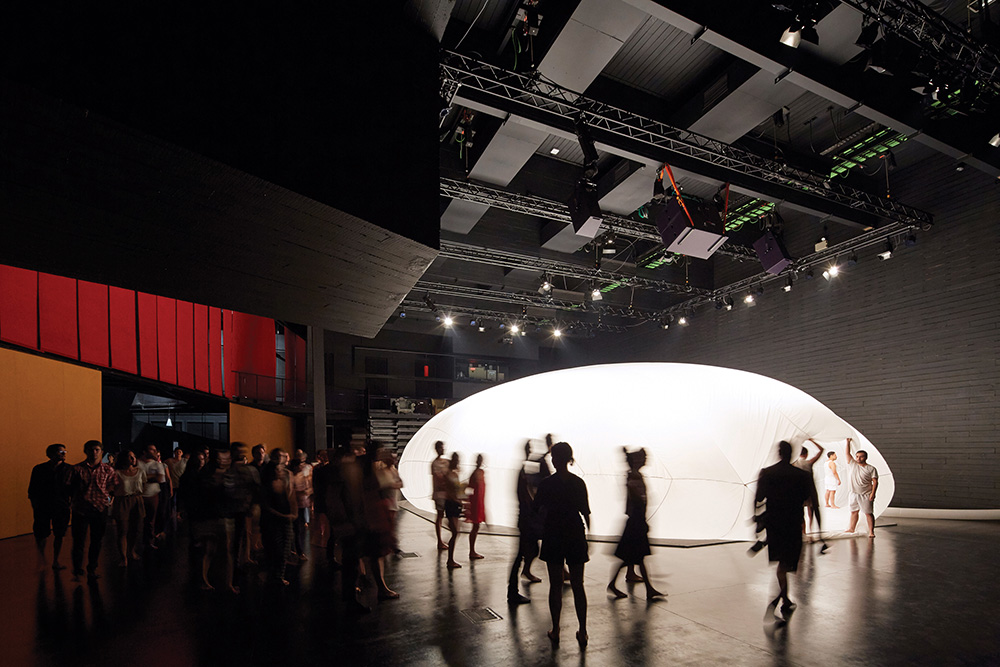
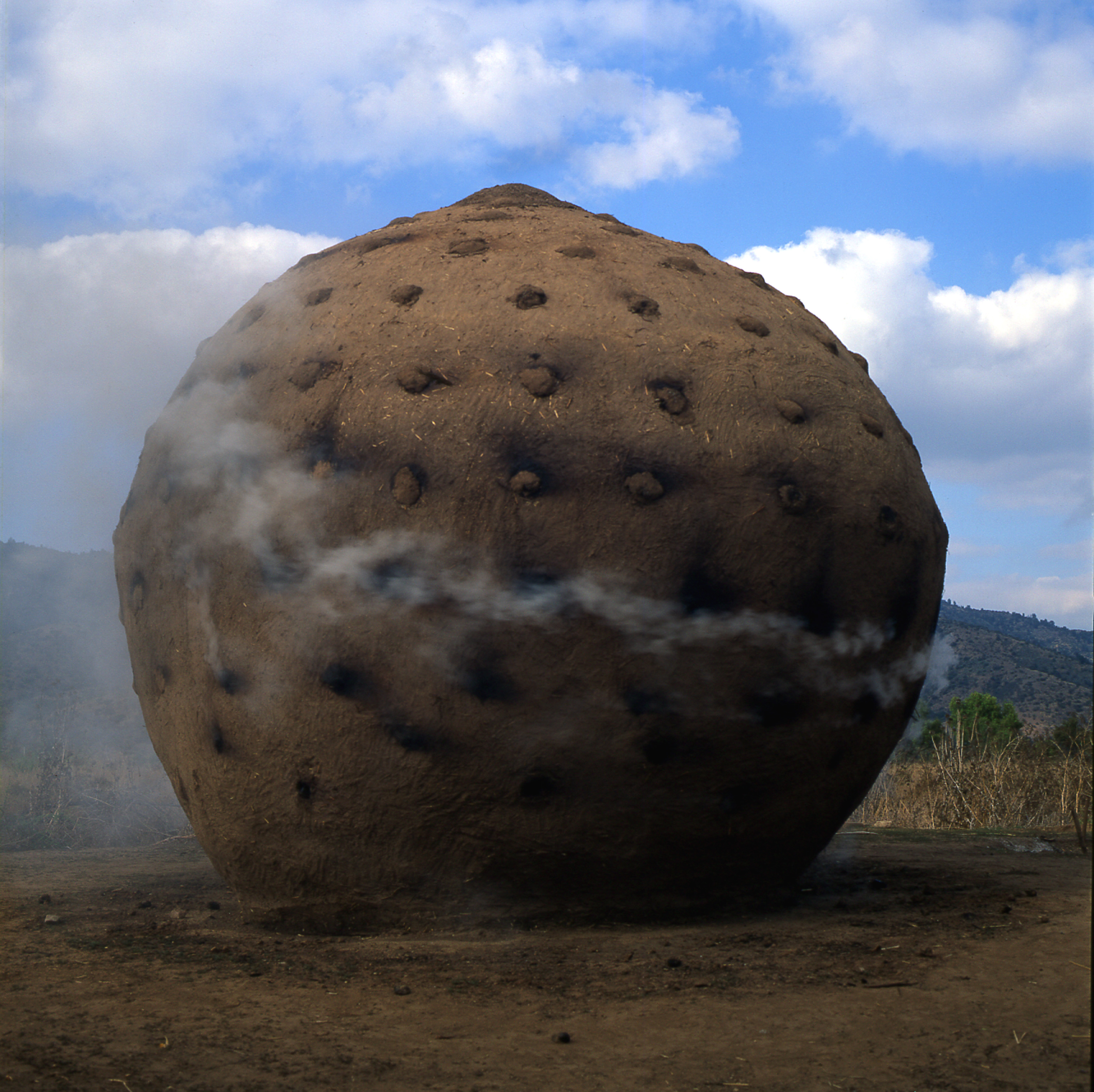
This sense of architectural impermanence is frequently expressed through the choice of materials. While varying from one project to another, these are always carefully considered, contextually responsive and informed by local availability. Reinforcing the democratic ethos of his work, Radić employs materials—whether industrial or natural, refined or traditionally regarded as marginal—in ways that are neither nostalgic nor merely pragmatic. Instead, they unsettle established hierarchies of value: high and low, refined and crude, permanent and provisional coexist without clear distinction. This material equivalence mirrors the social openness of his spaces, in which no user is privileged over another. The circus tent coronating the roof of NAVE in Santiago, the white membrane enveloping the Teatro Regional del Biobío in Concepción—glowing with a warm, welcoming light at dusk—and the monumental Guatero inflatable pavilion designed for the Santiago Architecture Biennale all become structurally sophisticated yet playful stages, in which unexpected textures and colours engage with volumes of equally unexpected form.

Image
Teatro Regional del Bio Bio
Teatro Regional del Biobío, photo courtesy of Cristobal Palma

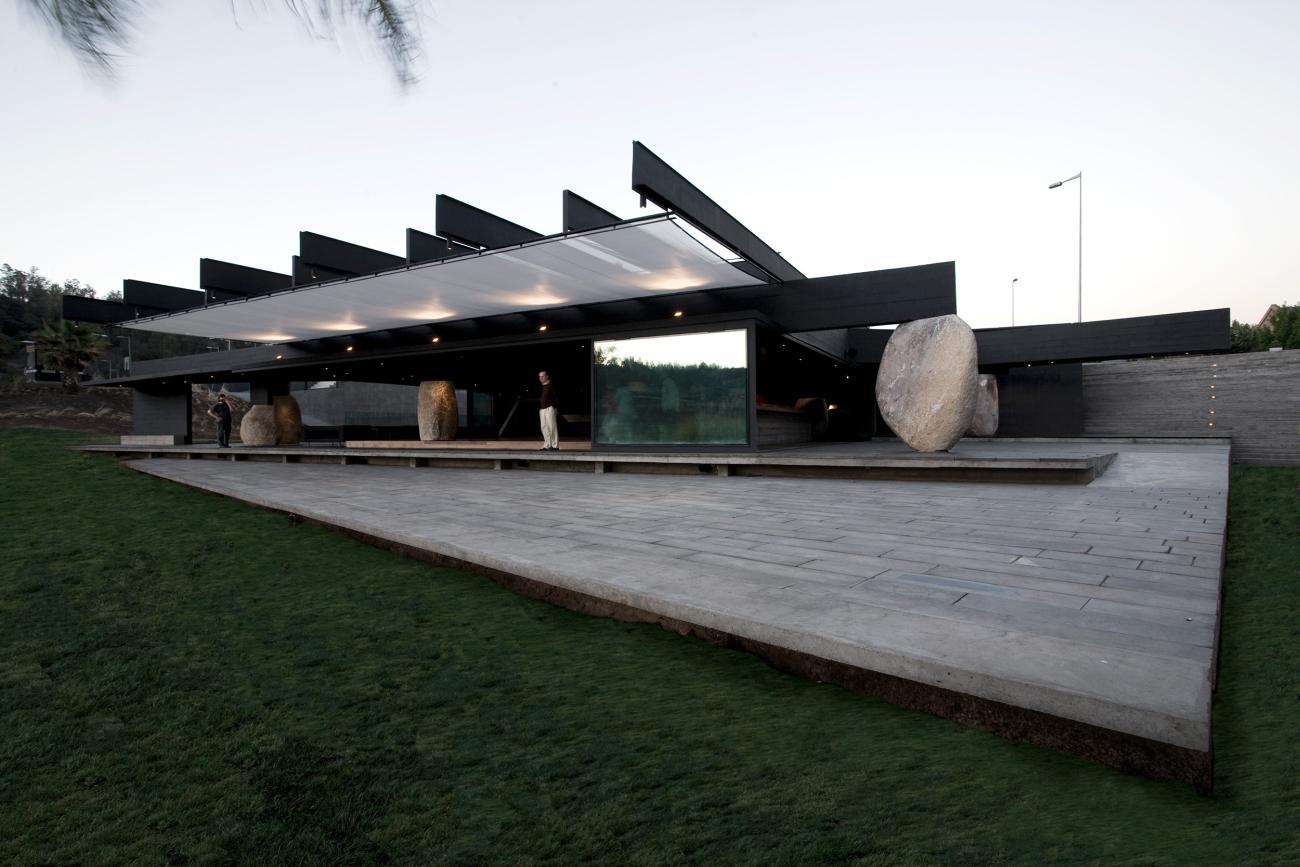
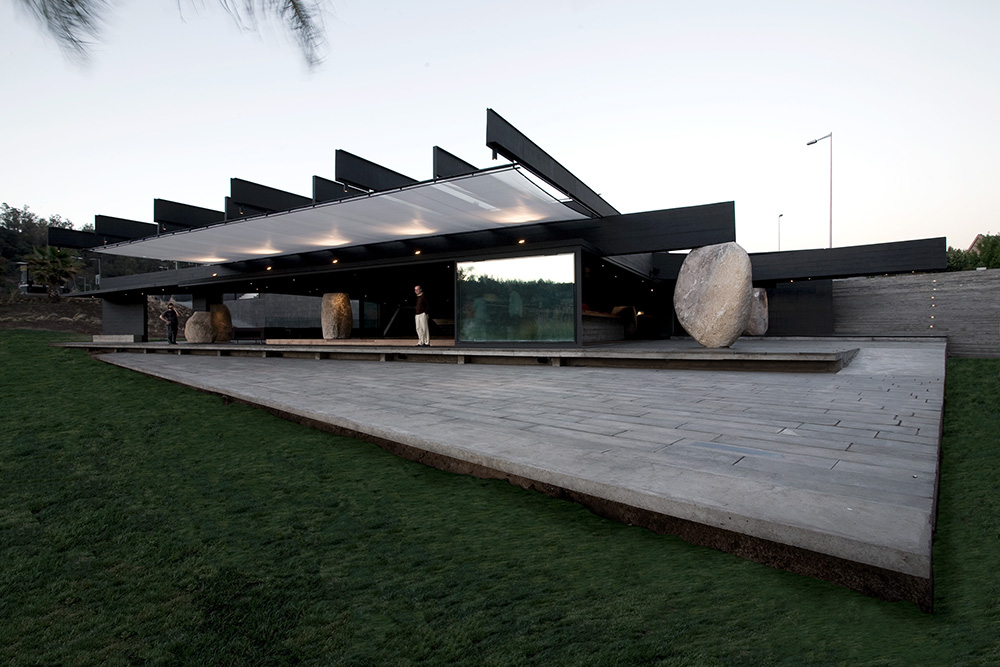
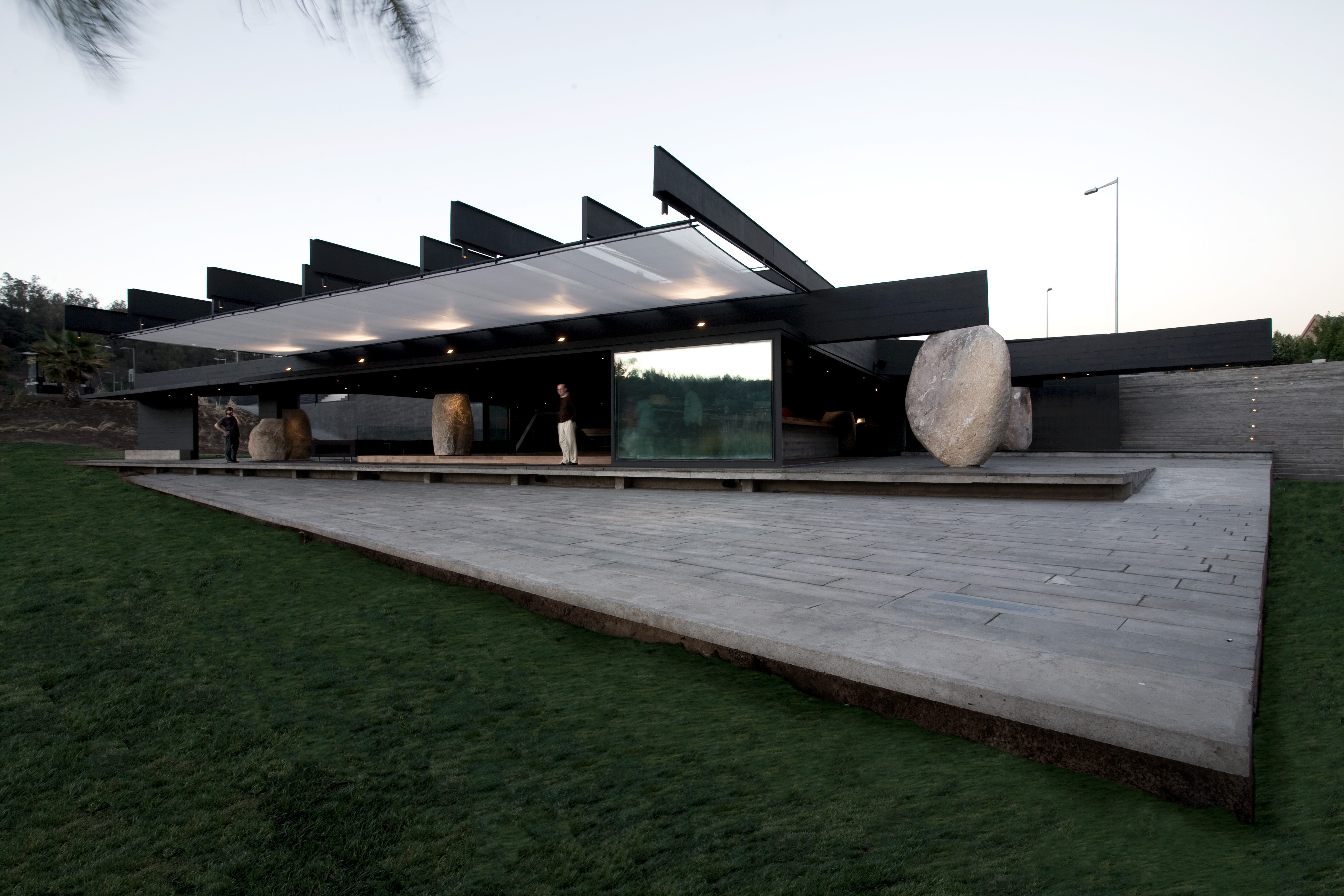
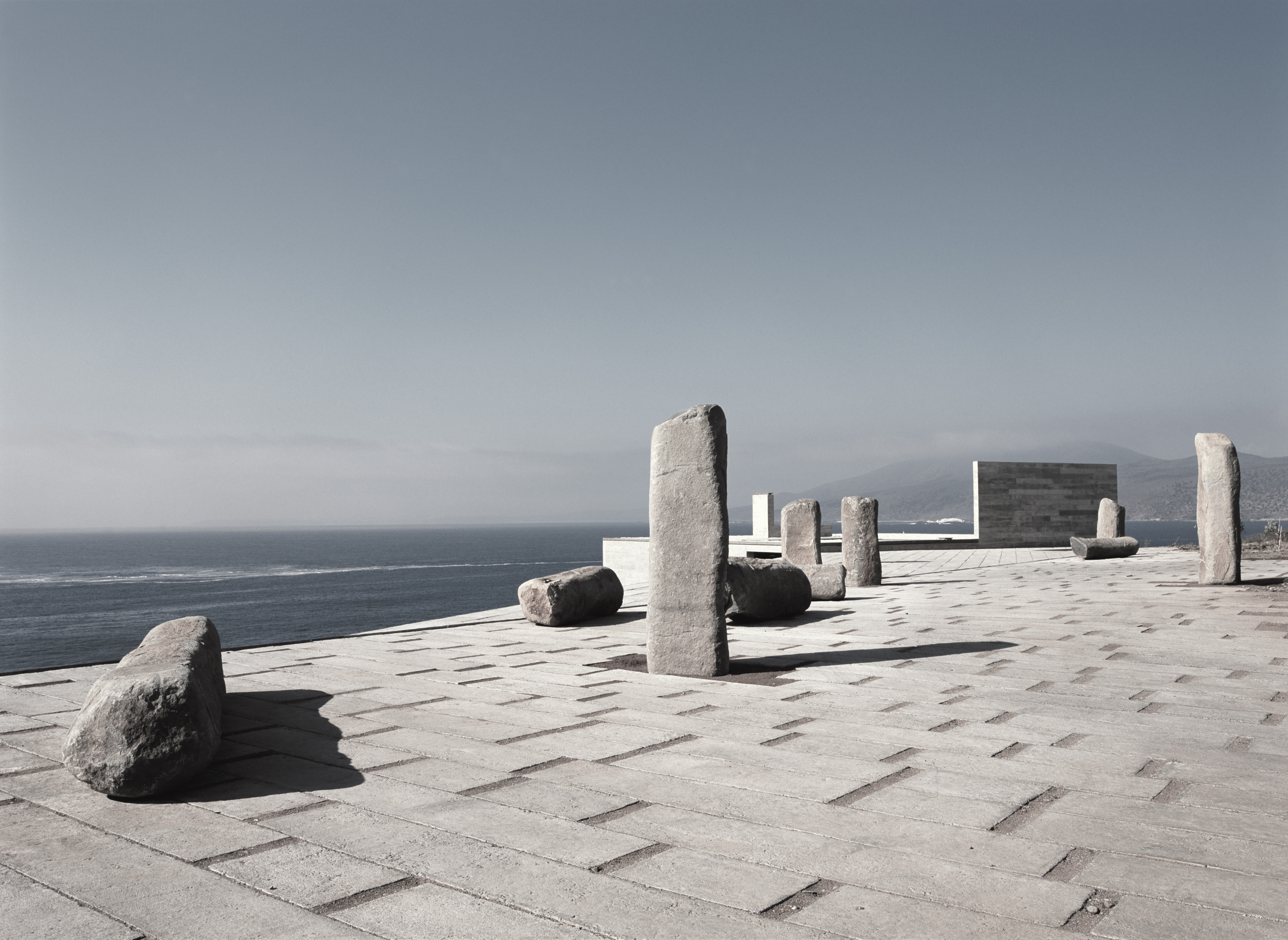
If architecture gives shape to the ways in which people live, Radić’s work produces spatial experiences that feel at once surprising and entirely natural. They are surprising in their flexible capacity to combine, question and dismantle established typologies; natural in the way they emerge both from his personal history and from that of those who will ultimately inhabit his buildings. While fully responsive to its function, each project contains an element of unexpectedness: to experience Smiljan Radić’s buildings is to have one’s curiosity provoked and sustained. He pushes coherent spatial strategies to their limits, developing them with rigour in order to actively engage the user: no specialised knowledge is required to “understand” the space, because understanding is never complete. His work defies the constraints of a single concept: the spaces he creates are often ambiguous, at times even unsettling, never pre-defined. They resist complete comprehension through a single viewpoint, and it is precisely this resistance that restores depth and complexity to architecture. Giant boulders set upright—like at the Mestizo Restaurant in Santiago, buildings that appear barely to touch the ground—like Casa Pite in Papudo, and the frequent rejection of the conventional Cartesian coordinate axes—the House for the Poem of the Right Angle in Vilches—all invite interpretation, rather than consumption.

For reminding us that architecture is an art, in that it touches the very core of the human condition; for allowing the discipline to embrace imperfection and fragility, offering quiet shelters in a world shaped by uncertainty, without the need to be louder or more spectacular in order to matter; for creating buildings whose hybrid nature reflects the contemporary blurring of disciplinary boundaries, and which do not speak on behalf of people but instead allow people to find their own voice through them, Smiljan Radić Clarke is named the 2026 Pritzker Prize Laureate.

The following are images of the architecture of Smiljan Radić Clarke. 

These images may be downloaded and distributed only in relation to the announcement of Smiljan Radić Clarke being named the 2026 Pritzker Architecture Prize Laureate.  

The photographer/photo libraries/artists must be credited if noted.  

All images are copyright of the respective photographers and artists cited, and courtesy of the Pritzker Architecture Prize.  

Click on each image to download a high-resolution file.  

Captions for these images are in the 2026 Image Book, available here

Download the 2026 Media Kit here.

Image
Smiljan Radic Clarke

Smiljan Radić Clarke, photo courtesy of The Pritzker Architecture Prize
Image
Guatero

Guatero, photo courtesy of Cristobal Palma
Image
Guatero

Guatero, photo courtesy of Smiljan Radić
Image
Guatero

Guatero, photo courtesy of Smiljan Radić
Image
Guatero

Guatero, photo courtesy of Cristobal Palma
Image
Guatero

Guatero, photo courtesy of Smiljan Radić
Image
Teatro Regional del Bio Bio

Teatro Regional del Biobío, photo courtesy of Hisao Suzuki
Image
Teatro Regional del Bio Bio

Teatro Regional del Biobío, photo courtesy of Iwan Baan
Image
Teatro Regional del Bio Bio

Teatro Regional del Biobío, photo courtesy of Cristobal Palma
Image
Teatro Regional del Bio Bio

Teatro Regional del Biobío, photo courtesy of Iwan Baan
Image
Teatro Regional del Bio Bio

Teatro Regional del Biobío, photo courtesy of Iwan Baan
Image
Teatro Regional del Bio Bio

Teatro Regional del Biobío, photo courtesy of Hisao Suzuki
Image
Teatro Regional del Bio Bio

Teatro Regional del Biobío, photo courtesy of Hisao Suzuki
Image
Teatro Regional del Bio Bio

Teatro Regional del Biobío, photo courtesy of Iwan Baan
Image
Teatro Regional del Bio Bio

Teatro Regional del Biobío, photo courtesy of Iwan Baan
Image
Teatro Regional del Bio Bio

Teatro Regional del Biobío, photo courtesy of Hisao Suzuki
Image
NAVE Performing Arts Center

NAVE, Performing Arts Center, photo courtesy of Cristobal Palma
Image
NAVE Performing Arts Center

NAVE, Performing Arts Center, photo courtesy of Cristobal Palma
Image
NAVE Performing Arts Center

NAVE, Performing Arts Center, photo courtesy of Cristobal Palma
Image
NAVE Performing Arts Center

NAVE, Performing Arts Center, photo courtesy of Cristobal Palma
Image
NAVE Performing Arts Center

NAVE, Performing Arts Center, photo courtesy of Cristobal Palma
Image
NAVE Performing Arts Center

NAVE, Performing Arts Center, photo courtesy of Cristobal Palma
Image
NAVE Performing Arts Center

NAVE, Performing Arts Center, photo courtesy of Cristobal Palma
Image
Serpentine Gallery

Serpentine Gallery Pavilion, photo courtesy of Iwan Baan
Image
Serpentine Gallery

Serpentine Gallery Pavilion, photo courtesy of Iwan Baan
Image
Serpentine Gallery

Serpentine Gallery Pavilion, photo courtesy of Iwan Baan
Image
Serpentine Gallery

Serpentine Gallery Pavilion, photo courtesy of Iwan Baan
Image
Serpentine Gallery

Serpentine Gallery Pavilion, photo courtesy of Iwan Baan
Image
Serpentine Gallery

Serpentine Gallery Pavilion, photo courtesy of Gonzalo Puga
Image
Serpentine Gallery

Serpentine Gallery Pavilion, photo courtesy of Iwan Baan
Image
Serpentine Gallery

Serpentine Gallery Pavilion, photo courtesy of Iwan Baan
Image
House for the Poem of the Right Angle

House for the Poem of the Right Angle, photo courtesy of Smiljan Radić
Image
House for the Poem of the Right Angle

House for the Poem of the Right Angle, photo courtesy of Smiljan Radić
Image
House for the Poem of the Right Angle

House for the Poem of the Right Angle, photo courtesy of Smiljan Radić
Image
House for the Poem of the Right Angle

House for the Poem of the Right Angle, photo courtesy of Cristobal Palma
Image
House for the Poem of the Right Angle

House for the Poem of the Right Angle, photo courtesy of Smiljan Radić
Image
House for the Poem of the Right Angle

House for the Poem of the Right Angle, photo courtesy of Gonzalo Puga
Image
House for the Poem of the Right Angle

House for the Poem of the Right Angle, photo courtesy of Gonzalo Puga
Image
House for the Poem of the Right Angle

House for the Poem of the Right Angle, photo courtesy of Gonzalo Puga
Image
House for the Poem of the Right Angle

House for the Poem of the Right Angle, photo courtesy of Gonzalo Puga
Image
House for the Poem of the Right Angle

House for the Poem of the Right Angle, photo courtesy of Gonzalo Puga
Image
Chile Antes de Chile

Chile Antes de Chile, photo courtesy of Cristobal Palma
Image
Chile Antes de Chile

Chile Antes de Chile, photo courtesy of Smiljan Radić
Image
Chile Antes de Chile

Chile Antes de Chile, photo courtesy of Cristobal Palma
Image
Chile Antes de Chile

Chile Antes de Chile, photo courtesy of Cristobal Palma
Image
Chile Antes de Chile

Chile Antes de Chile, photo courtesy of Cristobal Palma
Image
Chile Antes de Chile

Chile Antes de Chile, photo courtesy of Cristobal Palma
Image
Chile Antes de Chile

Chile Antes de Chile, photo courtesy of Cristobal Palma
Image
Vik Winery

Vik Millahue Winery, photo courtesy of Cristobal Palma
Image
Vik Winery

Vik Millahue Winery, photo courtesy of Cristobal Palma
Image
Vik Winery

Vik Millahue Winery, photo courtesy of Cristobal Palma
Image
Vik Winery

Vik Millahue Winery, photo courtesy of Cristobal Palma
Image
Vik Winery

Vik Millahue Winery, photo courtesy of Cristobal Palma
Image
Vik Winery

Vik Millahue Winery, photo courtesy of Cristobal Palma
Image
Vik Winery

Vik Millahue Winery, photo courtesy of Cristobal Palma
Image
Vik Winery

Vik Millahue Winery, photo courtesy of Cristobal Palma
Image
Restaurant Mestizo

Restaurant Mestizo, photo courtesy of Gonzalo Puga
Image
Restaurant Mestizo

Restaurant Mestizo, photo courtesy of Gonzalo Puga
Image
Restaurant Mestizo

Restaurant Mestizo, photo courtesy of Gonzalo Puga
Image
Restaurant Mestizo

Restaurant Mestizo, photo courtesy of Gonzalo Puga
Image
Restaurant Mestizo

Restaurant Mestizo, photo courtesy of Gonzalo Puga
Image
Restaurant Mestizo

Restaurant Mestizo, photo courtesy of Marcela Correa
Image
Pite House

Pite House, photo courtesy of Cristobal Palma
Image
Pite House

Pite House, photo courtesy of Cristobal Palma
Image
Pite House

Pite House, photo courtesy of © Erieta Attali
Image
Pite House

Pite House, photo courtesy of Cristobal Palma
Image
Pite House

Pite House, photo courtesy of Cristobal Palma
Image
Pite House

Pite House, photo courtesy of Cristobal Palma
Image
Pite House

Pite House, photo courtesy of Cristobal Palma
Image
Pite House

Pite House, photo courtesy of Cristobal Palma
Image
Pite House

Pite House, photo courtesy of Hisao Suzuki
Image
Carbonero House

Carbonero House, photo courtesy of Smiljan Radić
Image
Carbonero House

Carbonero House, photo courtesy of Smiljan Radić
Image
Carbonero House

Carbonero House, photo courtesy of Smiljan Radić
Image
Carbonero House

Carbonero House, photo courtesy of Smiljan Radić
Image
Carbonero House

Carbonero House, photo courtesy of Smiljan Radić

The Character of Architecture


Understanding the World Through References


Architecture as Collage

Chile Antes de Chile: Your Own History


A Unique Life Through Shelter and Refuge